Authorities have imposed restrictions on hunters’ movements in response to the growing threat of foot-and-mouth disease. This decision emerged from a meeting held on Monday morning at the agriculture ministry, where representatives from the Pancyprian Veterinary Association and various government bodies convened to address the ongoing outbreak.
The agriculture ministry announced a series of measures aimed at curbing the spread of the disease, which has prompted urgent action to protect livestock and the food supply chain. An emergency coordination centre will operate under the director of veterinary services, uniting all relevant departments to ensure a streamlined response.
As part of the new measures, the veterinary association will play an active role in prevention efforts, which include strict enforcement of biosecurity measures. Authorities have ramped up inspections to ensure compliance with existing controls, highlighting the seriousness of the situation.
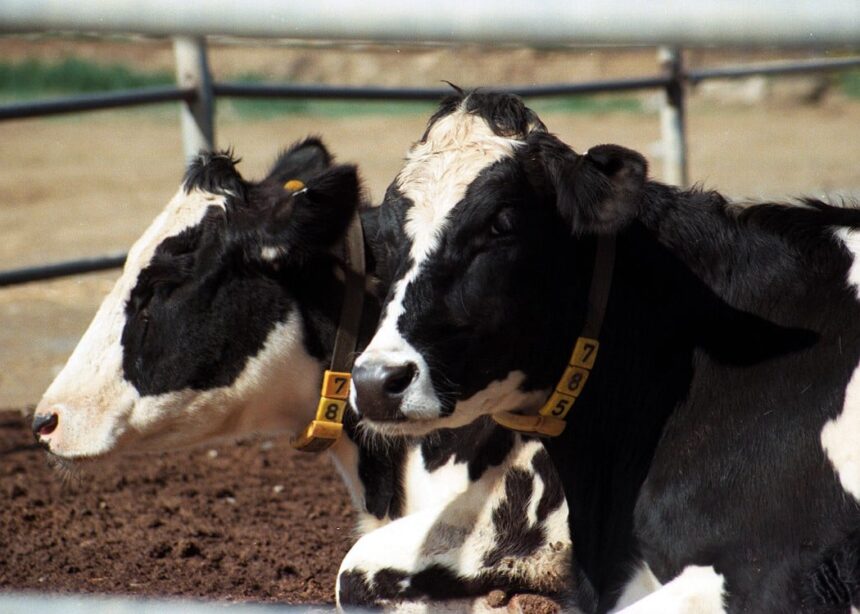
In affected areas, particularly in livestock zones, access will be limited to those directly involved in animal husbandry. This restriction aims to minimise the risk of further contamination and protect the health of livestock. The quarantine of livestock areas in Larnaca will remain in effect, with spraying operations extended to neighbouring farming zones to contain the virus.
Despite the heightened measures, the agriculture ministry has sought to reassure the public regarding the safety of food products. In a statement, officials described the situation as “particularly serious,” but emphasised that foot-and-mouth disease does not pose a threat to human health.
Within 48 hours of confirming the outbreak, authorities implemented all prescribed protocols, leading to the immediate closure of affected units. The full mobilisation of veterinary services was coordinated with other competent authorities to ensure rapid action. Officials estimate that the virus may have been active in the Oroklini area for approximately two weeks before the outbreak was officially reported, raising concerns about communication among relevant services.
As the response continues, the public is urged to remain vigilant and adhere to biosecurity measures as the authorities work diligently to protect livestock farmers, agricultural production, and the integrity of the food supply chain.