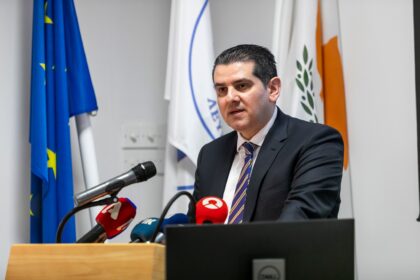
The ambulance service is currently facing a crisis, as highlighted by Riana Constantinou, the head of the service, during a parliamentary session on Thursday. She delivered a stark warning about the consequences of “years of state inaction and underfunding”. This warning came as the House health committee commenced discussions on a bill aimed at establishing a national ambulance agency under the health ministry’s oversight.
Delay in Regulation Raises Concerns
Constantinou welcomed the proposed legislation but expressed her frustration over the delays that have plagued the sector. “What are we really doing? I fear we are far too late. We are still discussing something that should have been done ten years ago,” she stated, emphasising the urgent need for regulation in an area that she described as operating without order or political protection.
Exposed and Overburdened
According to Constantinou, the ambulance service has been left vulnerable, while private operators continue to provide pre-hospital care with minimal oversight. She noted, “Today, everyone decides to open a business, buys ambulances and offers pre-hospital care services, and we are still discussing whether we should bring order.” This lack of regulation poses risks not only for the ambulance service but also for the patients who rely on it.
Impact of the General Health System
The introduction of the general health system (Gesy) has further complicated matters for the public ambulance service. Constantinou explained that this change has imposed an excessive burden on the service, fundamentally altering its role without the necessary support. She revealed that patient transports have surged from 5,000 to an alarming 45,000, all with the same personnel. As a result, the ambulance service’s core role of rescue is being sidelined due to the overwhelming demand.
The Need for Comprehensive Support
In her address, she urged the state to clarify its intentions regarding the ambulance service. “We should have everything, staffing, training and support. This country may measure everything in terms of money, I do not. I care about every patient in this country but we are late, we need to strengthen the Ambulance Service and not make it run like a taxi service,” she asserted. Constantinou’s comments underscore the need for a proactive approach to ensure the ambulance service can function effectively.
Concerns Over Private Ambulance Services
Additionally, Constantinou raised concerns about the uncontrolled provision of pre-hospital care by private ambulances. These operators often intervene in emergencies without proper coordination, leading to potential risks for patients. “Private ambulances often intervene in the middle of the road and then call on the public service to continue treatment from inside their vehicles,” she explained, highlighting a critical gap in the current system.
Conflicts in Regulatory Oversight
The ongoing debate has been further complicated by the stance of the State Health Services Organisation (Okypy). Its executive director, Kypros Stavrides, indicated that while Okypy does not oppose the creation of a national ambulance body, it is crucial to ensure that there are safeguards, evaluations, and equal terms within the new framework. “From the first moment I took office, I have worked for the good of the Cypriot citizen,” Stavrides reassured.
Evaluating Investments and Future Directions
Stavrides pointed out that Okypy has made significant investments in the ambulance service in recent years, including purchasing vehicles and staffing the service. He emphasised the need for these investments to be evaluated and compensated fairly in any new regulatory framework. “The creation of a new body should not be a simple transfer of responsibilities but must result in a stronger and more accountable service,” he stated.
Transparency and Accountability in Emergency Services
He also called for clear, measurable indicators to ensure that the new agency operates on equal terms, with transparent inspection data supported by scientific input. This approach is vital for maintaining public trust and ensuring that the ambulance service can respond effectively to emergencies.
Patient Federation Raises Alarm
The debate comes amid criticism from the patient federation Osak, which has voiced concerns regarding Okypy’s request to delay discussions on the bill. Osak argues that establishing a national ambulance body is essential to addressing significant gaps in emergency and pre-hospital care. They noted that the ambulance service was temporarily transferred to Okypy following the introduction of Gesy, with a commitment to create an independent authority within two years. Nearly seven years later, they contend that the service remains under Okypy, leading to systemic distortions.
Moving Forward with Urgency
While Osak disagrees with the government’s decision to place the new agency under the health ministry, they recognise that this move is a step in the right direction. Their criticism of Okypy’s intention to present its own plan for ambulance service management underscores the urgency and necessity for a cohesive and effective strategy to ensure that the needs of patients are met without further delay.