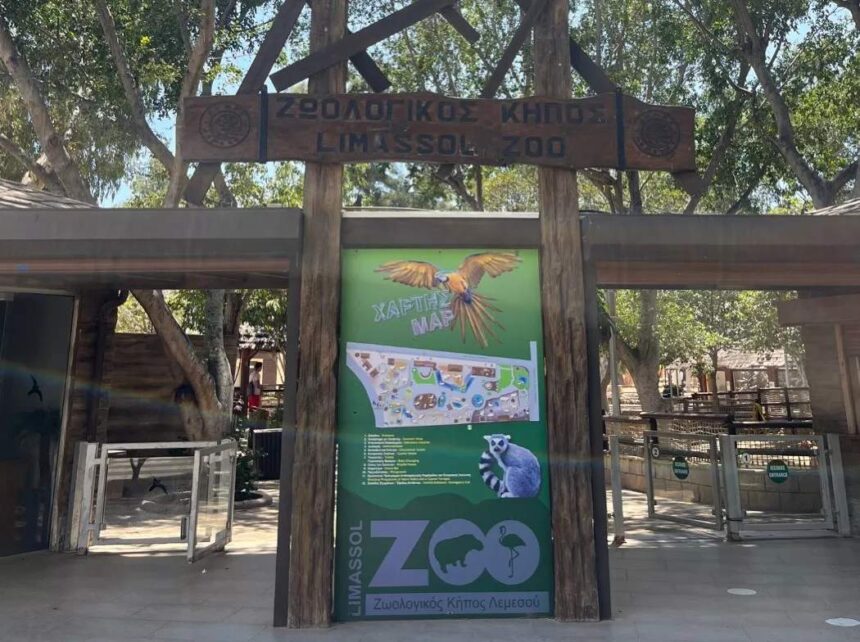
ALMA has advocated for the closure of Limassol Zoo, proposing that the animals be relocated to licensed sanctuaries while the site is transformed into a Biodiversity Park. This initiative comes following a recent vote by the Limassol Municipal Council, which rejected a similar closure proposal, sparking a divisive debate among residents.
The Municipal Council’s Decision
Last week, the Limassol Municipal Council voted against a proposal from the Cyprus Centre for Environmental Research and Education (CYCERE) that aimed for the zoo’s closure. The vote saw 14 councillors opposing the motion, while 10 were in favour. Mayor Yiannis Armeftis highlighted the zoo’s historical significance, noting its connection to the childhood memories of many Limassol residents. He indicated that discussions would continue to explore a mutually agreeable solution for the zoo’s future.
Public Opinion Divided
The council’s decision came despite a public consultation conducted by CYCERE, which revealed that 56.89% of participants supported the zoo’s closure, while 43.11% preferred its upgrading. Among Limassol residents specifically, the results were nearly evenly split: 49.79% were in favour of closure, contrasted with 50.21% who favoured upgrading the facility.
History and Controversies Surrounding Limassol Zoo
Limassol Zoo, inaugurated in 1956, underwent significant renovations in 2012, replacing iron cages with enclosures crafted from natural materials such as stone, wood, and glass. However, the zoo has faced increasing scrutiny over the years, particularly following a tragic incident at the end of 2022 when a deer died after its antlers became ensnared in metal mesh. This event ignited protests demanding the zoo’s closure, with demonstrators citing it as evidence of “unacceptable negligence and irresponsibility” in animal care.
ALMA’s Proposal for a Biodiversity Park
In a statement outlining its position, ALMA clarified that its call for closure pertains solely to the zoo section of the site, which operates with a separate entrance and management from the Limassol Municipal Garden—an area they deem integral to the city’s history and identity.
ALMA referenced the EU Council Directive 1999/22/EC, which mandates that zoos contribute to biodiversity conservation, scientific research, and high animal welfare standards. They argued that modern European zoos have evolved into expansive conservation and research centres, whereas Limassol Zoo operates as a small urban facility that has repeatedly faced public criticism regarding animal welfare.
“The question is whether a small zoo in the centre of a city can meet the growing demands that science today places on the welfare of wild animals. ALMA’s position is that the answer is no,” the statement read.
Proposed Transition to Licensed Facilities
ALMA has suggested that any closure should be conducted under the oversight of relevant veterinary and environmental authorities, ensuring complete transparency. They advocate for the animals to be relocated to appropriate licensed facilities where they can meet high welfare standards.
A Vision for the Future of the Site
In lieu of the zoo, ALMA envisions transforming the area into a Biodiversity Park that would celebrate Cyprus’s natural heritage and showcase Mediterranean flora, endemic plants, and local ecosystems. They argue that this development would enhance green spaces in the city centre, promote biodiversity, and establish a modern landmark for Limassol while aligning with contemporary animal welfare standards.
“The best way to honour nature is not to confine it behind fences in the centre of a city, but to create spaces that protect biodiversity and allow animals to live in conditions that meet their real needs,” the statement concluded.
Next Steps in the Debate
As discussions continue regarding the future of Limassol Zoo, the community remains divided. While ALMA champions the closure and transformation of the site, many residents hold fond memories of the zoo as a place of childhood joy. The outcome of this debate could shape the future of urban wildlife and conservation efforts in Limassol.