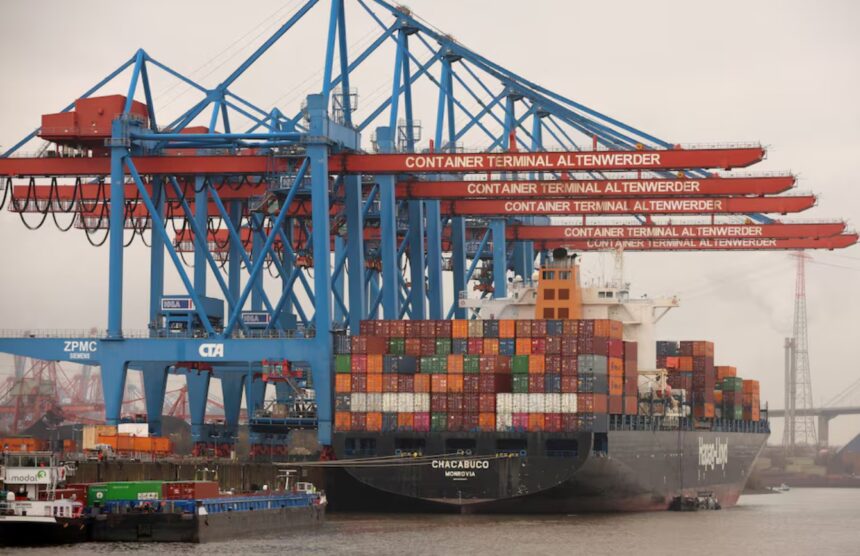
trade surplus — The European Union achieved a total trade surplus of €28.4 billion during the final quarter of 2025 as the value of goods exported to non-EU nations continued to outpace imports, according to Eurostat.
- The chemicals and related products sector emerged as a key contributor, generating a surplus of €49.3 billion. This strength played a vital role in bolstering the EU’s overall economic position.
- Notably, both the import and export categories have recorded three consecutive quarterly decreases, indicating potential shifts in the market dynamics that could affect future trade performance.
This positive trade balance marks a sustained recovery for the bloc, which first reported surpluses in the third quarter of 2023 after experiencing significant trade deficits driven by soaring energy costs from late 2021 to mid-2023.
Trade surplus: Strong Sectors Drive Growth
The chemicals and related products sector emerged as a key contributor, generating a surplus of €49.3 billion. This strength played a vital role in bolstering the EU’s overall economic position.
Machinery and vehicles also made a significant impact, contributing a surplus of €42.3 billion during the three-month period. Additionally, the food, drinks, and tobacco sector recorded a surplus of €10.8 billion, while miscellaneous goods added €7.1 billion to the trade ledger.
Challenges in the Energy Sector
Despite these encouraging figures, the energy sector continues to hinder the EU’s balance of payments, reporting a deficit of €62.7 billion. This ongoing struggle reflects the complexities of the global energy market.
The final months of 2025 also revealed challenges in other manufactured goods, which resulted in a reported trade deficit of €11 billion. Statisticians noted that raw materials contributed to a further deficit of €7.5 billion.
Trends in Import and Export Values
Data for the fourth quarter ending December 31, 2025, showed a 1.4 per cent decrease in total imports compared to the previous quarter, while total exports fell by 0.8 per cent. This decline suggests a cooling in global trade volumes.
Notably, both the import and export categories have recorded three consecutive quarterly decreases, indicating potential shifts in the market dynamics that could affect future trade performance.