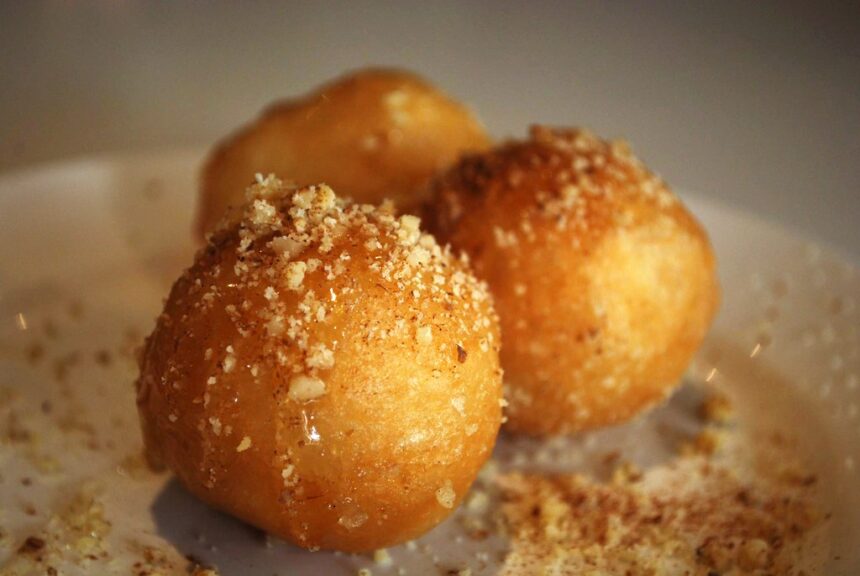
Loukoumades, a beloved childhood treat for many, are deep-fried dough balls that have captured the hearts—and stomachs—of people in Cyprus and beyond. Traditionally soaked in syrup or honey and often dusted with cinnamon, these sweet morsels have a rich history that traces back to Abbasid Baghdad.
Origins of a Culinary Delight
The etymology of the word loukoumades can be traced to the Arabic term luqma, meaning morsel or bite. This delightful dessert is mentioned in 13th-century Arabic culinary texts as luqmat al-qādi, or judge’s morsels. The dish evolved over the centuries and was encountered by famed explorer Ibn Battuta during his travels in 14th-century India, where he noted a variant called al-hashimi.
Historical Significance in Culinary Traditions
Loukoumades are not just a treat; they are a piece of history. The recipe for luqmat al-qādi, which consists of yeast-leavened dough fried in oil and drenched in honey or syrup, has been documented since the medieval period. Its cultural importance is highlighted in literary works such as One Thousand and One Nights, where it features prominently at feasts.
Spread Across Cultures
Food historian Gil Marks notes that the Arab and Ottoman empires played a crucial role in spreading this dessert across various regions, including the Maghreb, the Balkans, and India. Today, Iraq refers to the dessert as lokma or luqaymat, showcasing various sizes and flavours. In the Persian Gulf, lugaimat are often spiced with cardamom or saffron, maintaining a connection to historical recipes.
Loukoumades in Cyprus and Greece
In Cyprus, loukoumades (or lokmades) are typically served drizzled with honey syrup and sprinkled with cinnamon, sometimes topped with powdered sugar. Greece has embraced the dessert as a popular street food, often served with honey, walnuts, or even chocolate sauce. This dessert has become a symbol of joy and celebration across many cultures.
Connections to Ancient Traditions
Before the Middle Eastern accounts of loukoumades, a Greek precursor called enkrides existed. These fried dough pieces, enjoyed with honey in Ancient Greece, laid the groundwork for the dessert we know today. Ancient texts reference enkrides and suggest that they were cherished long before the modern iteration took shape.
Religious and Cultural Significance
Across various cultures, loukoumades have been associated with significant religious observances. In the Levant, Muslims enjoy them during Ramadan, Jews celebrate with them at Hanukkah, and Christians partake in them at Epiphany. This dessert transcends cultural boundaries, serving as a sweet symbol of shared traditions and celebrations.
As we savour the taste of loukoumades, we also appreciate the rich tapestry of history, culture, and community that they represent. From their origins in ancient Baghdad to their current status as a cherished delicacy in Cyprus and Greece, these sweet morsels continue to connect generations and cultures through their delightful flavour.