The number of hunters in Cyprus is on the decline, but complaints about hunting in restricted areas continue to rise, reflecting the shrinking spaces designated for shooting game. With approximately 30,000 legal hunters active during the hunting seasons, the Game Fund faces challenges in monitoring these individuals, especially with fewer than 250 wardens available across the island.

Photo: cyprus-mail.com
According to the Game Fund, complaints pour in every Wednesday and Sunday during the hunting seasons, which run from late August to the end of February. “You can’t respond to all complaints,” a representative from the Game Fund stated, highlighting the difficulties posed by their limited resources.

Photo: cyprus-mail.com
During the last hunting year, 37,817 valid hunting licences were issued, but around 4.4% of licence holders reported that they did not engage in hunting despite renewing their permits. Pantelis Hadjiyerou, head of the Game Fund, explained that patrols typically consist of only three to six wardens per district at any given time, making it nearly impossible to ensure compliance with hunting regulations.
As complaints about hunters disturbing residential areas mount, Hadjiyerou urged for tolerance between hunters and the local population. “Hunting is a tradition, and statistically, there are no injuries to people. But hunters should not shoot near homes,” he advised. He noted that while the noise from hunting may be bothersome, a cooperative approach can help reduce tensions.
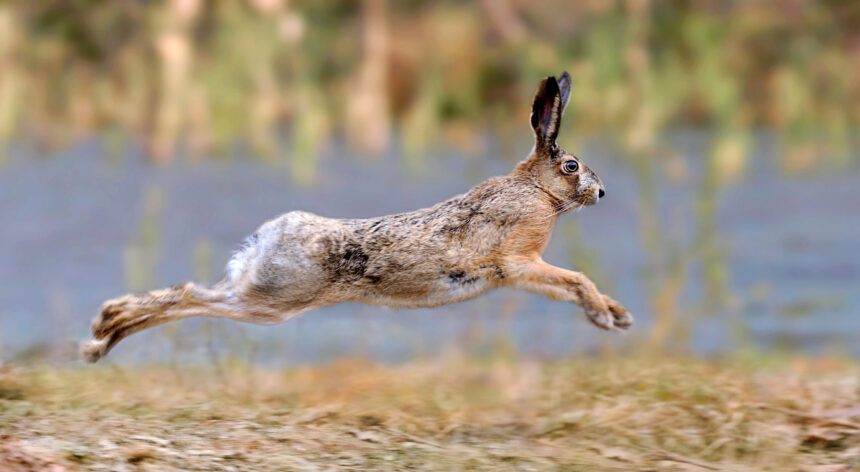
The Game Fund’s annual survey revealed a slight decrease in hunting licences issued compared to the previous year. Additionally, reported catches dropped significantly, with a 20% decline in hares and over 30% in partridges. However, there are concerns that these figures may not fully reflect reality, as some hunters who did not renew their licences may still have participated in hunting.
Licences for hunting are tied to gun permits, a system that is strictly regulated in Cyprus. Individuals over 18 can apply for hunting licences but must meet several criteria, including not having a history of domestic violence or drug offences. Would-be hunters must also complete training courses facilitated by the Game Fund, covering wildlife conservation, legislation, and gun handling.
Despite strict regulations, some hunters still break the law by shooting too close to residential areas, resulting in complaints about pellets hitting homes and the noise generated during hunting hours. When violations occur, residents report incidents directly to the Game Fund or the police, prompting investigations that can be time-consuming and complex.
Hadjiyerou noted that while illegal hunting exists, it is not widespread. Most offenders are those hunting in prohibited areas or without valid licences, which constitute less than 5% of the hunting population. However, the overall trend indicates a steady decline in hunters, compounded by environmental factors such as habitat destruction and climate change.
Hunting in Cyprus is often described as an instinctual behaviour, deeply rooted in the island’s culture. Many hunters pursue game not just for sport, but as a means of sustenance. The hunting seasons, which vary annually, provide specific timeframes for hunting specific species, including common wood pigeons, partridges, and migratory thrushes.
Environmental changes continue to impact wildlife populations. Deforestation, urban development, and the increasing presence of domestic cats have disrupted habitats. Additionally, climate change has altered migration patterns, making it harder for certain species to thrive. The Game Fund has also identified indirect threats to endangered species, such as the griffon vulture, which struggles with food scarcity due to regulations against carcass dumping.
As the Game Fund grapples with the complexities of wildlife management and hunting regulations, it remains essential for both hunters and the general public to engage in respectful dialogue. The future of hunting in Cyprus relies on the balance between tradition and the need for wildlife conservation, underscoring the importance of cooperation in preserving the island’s natural heritage.