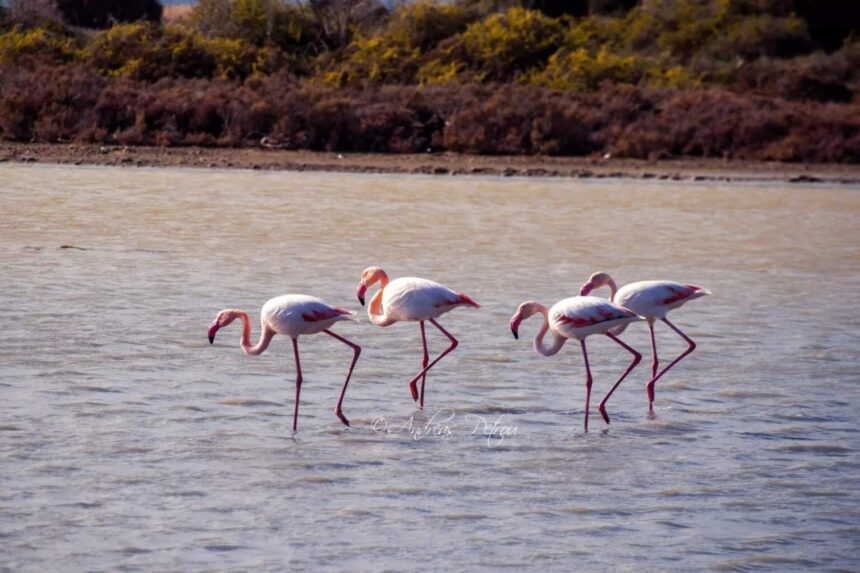
Flamingo numbers in Cyprus have plummeted from 13,000 to a mere 47, signalling a severe ecological crisis for the island’s vital wetland areas. This alarming statistic was revealed during a session of the Parliamentary Environment Committee, which highlighted the dire state of Akrotiri Salt Lake and Lake Makria, both crucial Ramsar Convention sites.
The Game and Fauna Service has raised urgent concerns regarding the dramatic decrease in bird populations, attributing the decline to deteriorating water quality and increasing developmental pressures in the region. Nikos Kasinis, a senior official from the Game Service, stated, “Whilst up to 13,000 flamingos were recorded in previous years, their number this month was limited to just 47.”
During the meeting, it was disclosed that the lakes are primarily replenished during prolonged drought periods, which has led to contaminated inflow. Environmental organisations, including BirdLife and Terra Cypria, have indicated that the system has reached a breaking point, with water quality now failing to support bird life.
Kouria Mayor Pantelis Georgiou, who has been coordinating efforts among various stakeholders since last September, described the situation as chaotic. “Lawlessness prevails in the area. The aquifer water risks permanent contamination due to developments, whilst Asomatos and Akrotiri remain without a sewerage network,” he remarked. His comments reflect a growing concern that local infrastructure is not keeping pace with environmental needs.
Georgiou is working on an extensive Action Plan that is expected to be finalised by February, in collaboration with Limassol Municipality and government departments. This plan will also involve discussions with non-governmental organisations to ensure a comprehensive approach to restoration efforts. He has called on Members of Parliament to assist in securing a decree from the Interior Ministry to extend sewerage system limits to Asomatos and Akrotiri.
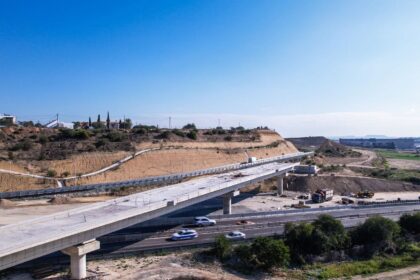
Identifying specific sewage sources from properties not connected to the network has been a priority, with the Limassol Sewerage Board aiding in efforts to cut off pollution. The discussion also turned to the vertical pipe at Lady’s Mile, where reports indicate that as much as 500 tonnes of untreated sewage may be discharged into the sea, posing a significant risk to public health and local ecosystems.
Lake Makria has been characterised by environmental groups as a “swamp” and a “sewage site,” with accusations that contractors for large developments are discharging water without adhering to licensing regulations, further threatening the fragile ecosystem. The Environment Committee expressed strong dissatisfaction with the slow response to these pressing issues, with MP Andreas Kafkalias questioning the inability of central authorities to coordinate effectively. Kostas Kosta referred to the situation as an ongoing crime, while committee chair Charalambos Theopemptou urged for an audit of the management of Akrotiri Salt Lake by the Audit Office.
The committee has warned that without immediate action, “half the Salt Lake will be lost in coming years,” which would have irreversible consequences for both public health and the rich biodiversity of Cyprus. As flamingo numbers continue to dwindle, the call for urgent and effective measures grows louder, as does the recognition that the island’s environmental future hangs in the balance.