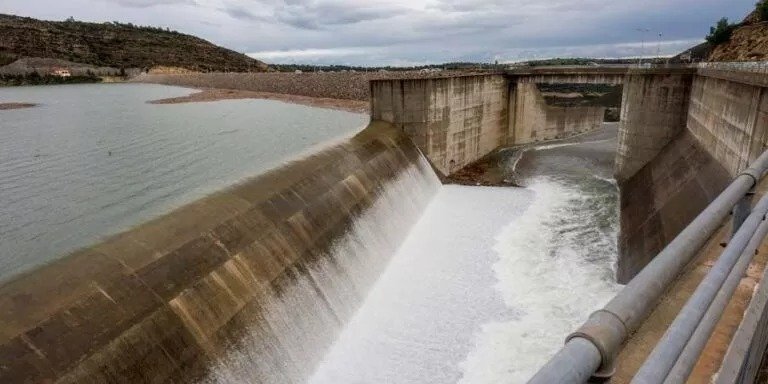
cyprus dams — cyprus dams — Cyprus’s major dams are facing a bleak future, with projections indicating they will run completely dry before the summer of 2026. This alarming forecast comes as emergency water restrictions were imposed on Friday, aimed at slashing agricultural irrigation by 33% and household water supplies by 10%.
Cyprus dams: Critical Water Levels Prompt Drastic Measures
The Cabinet’s decision to implement these severe cuts was prompted by a stark warning from the Water Development Department, which revealed that dam reserves have plummeted to just 32 million cubic metres—an alarming 11% of total capacity. The situation has been exacerbated by an extended drought, with rainfall since October reaching only 21% of the historical average.
Farmers Voice Concerns Amid Cuts
The dire water situation has led to unrest among farmers, who expressed their discontent at the Water Management Advisory Committee. They argued against the government’s allocation plan, calling for greater household water cuts and demanding financial compensation for the losses they are facing due to the water shortage.
“Crisis management must be fair and affect all water users,” said PEK General Secretary Christos Papagetrou. He emphasised the need for a collective approach to water conservation, asserting that agriculture cannot bear the brunt of the crisis alone while citizens are urged to conserve water “without true water consciousness.”
Projected Water Supply Reductions
According to the current projections, household water supply is set to decrease to 103.4 million cubic metres in 2026, down from 114 million in 2025. Meanwhile, irrigation water for agriculture will fall to 22.2 million cubic metres from 33 million last year. This drastic reduction has sparked fierce protests from farmers, highlighting the challenges they face.
Innovative Solutions Proposed
In the face of these challenges, farmers have suggested a range of solutions to mitigate the impact of the water crisis. These include better treatment of reclaimed water in mountainous areas, utilising inactive boreholes, and the establishment of agricultural desalination facilities powered by renewable energy. Papagetrou also proposed mandatory private desalination plants for hotels, golf courses, and water parks, along with exploring the use of seawater for swimming pools.
Desalination Efforts to Increase
As Cyprus grapples with dwindling dam reserves, desalination plants are expected to operate at maximum capacity. Production is projected to rise to 85.7 million cubic metres in 2026, up from 73.5 million in 2025. The Agriculture Ministry has cautioned that if conditions remain unchanged and consumption continues to rise, significant deficits in the Southern Conveyor system could emerge during 2026.
Government’s Water Conservation Campaign
The government has outlined a plan to launch six emergency measures starting in February, including a water conservation campaign aimed at reducing consumption by 10% compared to 2025 levels. A budget of up to €6 million has been allocated for distributing water-saving equipment to households and businesses.
Moreover, the ministry has indicated that hotel and tourism unit water consumption is becoming increasingly problematic, particularly during peak months. This scrutiny reflects broader concerns about the sustainability of water use in the tourism sector.
Collaborative Approach Needed
With rising demand for water, which has increased by 4-6% annually in recent years, the ministry has stressed the importance of individual responsibility. The Cabinet has stated that the 10% reduction in household supply should not significantly disrupt daily life, provided that there is rational use of water.
As Cyprus faces this unprecedented water crisis, the coming months will be crucial in determining how effectively the island can manage its dwindling resources and whether innovative solutions can alleviate the burden on both farmers and households alike.