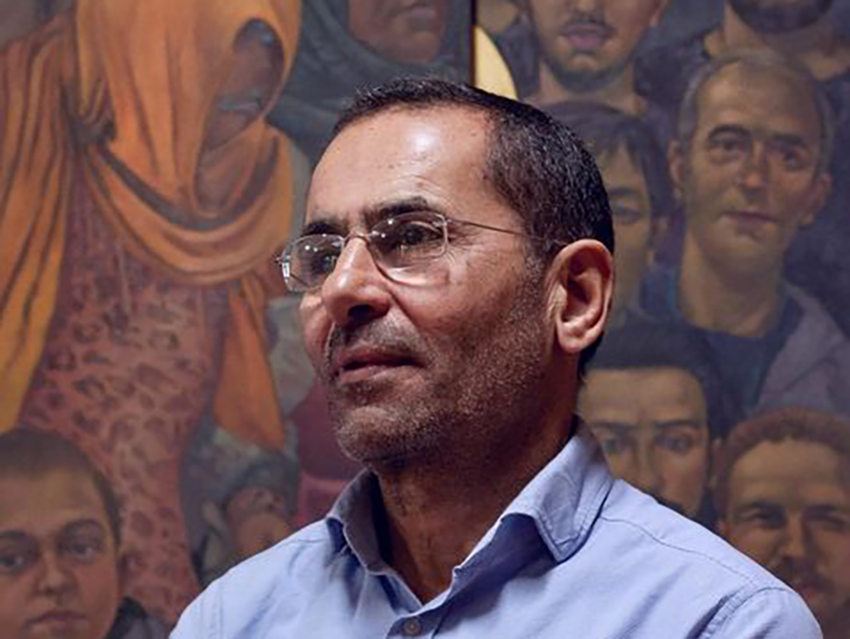
hated artist — George Gavriel is often referred to as the most hated artist in Cyprus, a title that has been earned through a combination of provocative art and public backlash. On December 18, unknown attackers targeted his home in Nicosia, hurling an explosive device that caused a loud explosion but minimal damage. This act of violence reflects the intense emotions surrounding Gavriel’s work, particularly his controversial paintings that challenge societal norms.

Photo: cyprus-mail.com
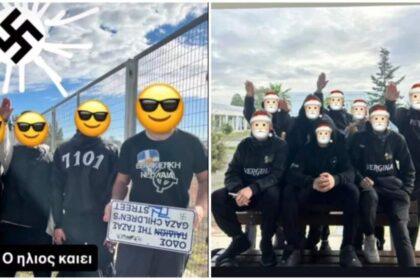
Gavriel’s art has sparked outrage before, leading to the closure of an exhibition in Paphos just days before the attack. The controversy intensified after a fake collage was shared by Disy MP Efthymios Diplaros, which misrepresented Gavriel’s work and fuelled the existing political storm. “These reactions were to be expected. After all, that was part of the point of my work,” Gavriel stated in an interview, though he admits that the backlash has escalated over the years.

Photo: cyprus-mail.com
Known for his provocative depictions of religious figures, Gavriel’s paintings often feature themes that challenge the status quo, such as a naked Jesus or a migrant figure in compromising situations. While many associate his name with blasphemy, he insists that a significant portion of his work focuses on Cypriot life, culture, and the struggles of its people.
Born in 1959 in Kokkinotrimithia, Gavriel’s upbringing was steeped in hardship. As the youngest of eight children, he often found himself in a world where survival took precedence over artistic expression. Despite this, he nurtured a passion for painting that would eventually lead him to study at university in Moscow.
Seated in his studio, surrounded by his vibrant works, Gavriel reflects on the duality of his existence as an artist and a target for public ire. “I don’t actually cause the trouble myself, basically. It’s other people who cause it,” he remarks, suggesting that his art serves as a mirror, reflecting societal tensions rather than igniting them. His latest collection, titled ‘Anti-systemic Art’, epitomises this ethos, intentionally inviting controversy.
His experiences have shaped his views on censorship and freedom of expression. Facing threats and hostility for his work, Gavriel remains unfazed, viewing his artistic process as a form of resilience. “Creativity takes you away from the problems of daily life, and the threats,” he explains. This dedication to his craft has led him to produce an extensive body of work, much of which draws from his observations of the world around him.
Gavriel’s personal life is equally intriguing. Married to a Chinese woman, he often finds solace in the simple act of cultivation, tending to a vegetable patch beside his home. This connection to the land is reflected in many of his works, which depict rural life in Cyprus, a theme he feels passionately about. “Much of my work – maybe 70 per cent – is actually about Cyprus, its environment, its people,” he explains.
The irony of his situation is not lost on him. His art, which often critiques the church and state, has led to a personal backlash that sometimes feels absurd. “Can I really offend their God with a painting? Can God really be so vulnerable?” he questions, highlighting the paradox of his contentious position as an artist. Despite the threats, he approaches his life with a calm resolve, focusing on his work rather than the negativity that surrounds him.
In the wake of the attack on his home, Gavriel continues to create, undeterred by fear or hate. His story serves as a powerful reminder of the challenges faced by artists who dare to confront difficult topics. As he paints, he embodies the spirit of resilience, using creativity as a refuge from the turmoil that sometimes envelops his life.