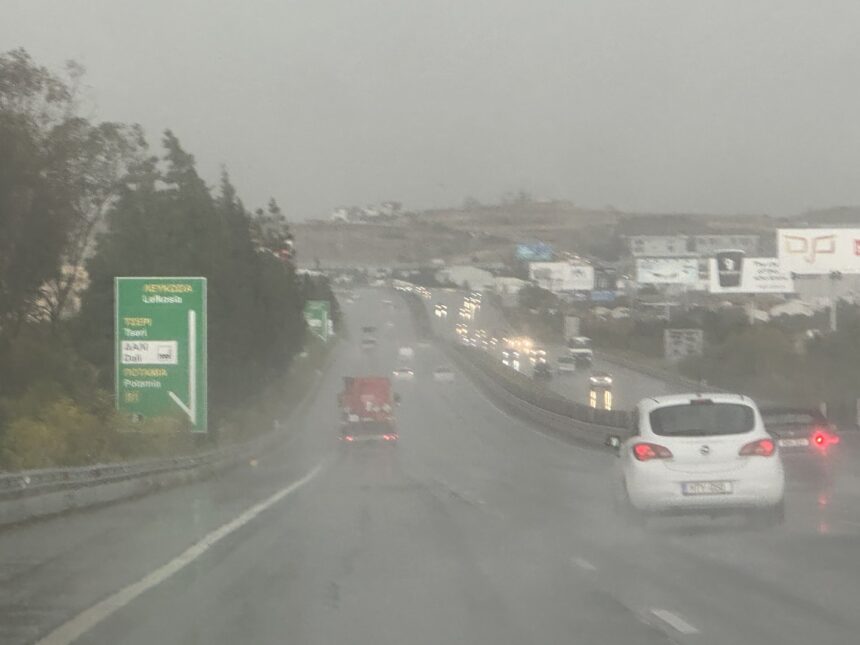
december rainfall — December rainfall has exceeded the average across Cyprus, with totals reaching 116 per cent of the monthly norm, according to preliminary data released by the met office. The average rainfall for the month was measured at 122.8 millimetres, significantly above the usual December figure of 105.6 millimetres.
- As Cyprus continues to navigate the challenges posed by changing weather patterns, the focus on sustainable practices and community resilience will be more important than ever.
December rainfall: Significant Rainfall Totals Recorded
Since the start of October, the total rainfall in Cyprus has reached 159.2 millimetres, which is equivalent to 83 per cent of the normal amount expected for that period. The data reflects a notable increase in precipitation compared to previous years, contributing positively to water reservoirs and agricultural conditions.
Highest Rainfall Areas
The highest recorded rainfall for December was at Polis Chrysochous, where an impressive 219.2 millimetres fell, more than double the monthly average. This figure highlights the variability of weather patterns across different regions of the island.
In the village of Stavros tis Psokas, rainfall reached 249.3 millimetres, representing 154 per cent of the normal average. This area has experienced particularly intense rainfall events, raising concerns about potential flooding and the management of water resources.
Other Noteworthy Measurements
Athalassa station in Nicosia measured 83.3 millimetres, while Athienou in the Larnaca district recorded 88.1 millimetres, both at 144 per cent of their respective averages. These figures indicate that various regions across Cyprus have benefitted from increased rainfall, which is crucial for the local environment and agriculture.
Implications of Increased Rainfall
The significant rainfall observed in December is expected to have several implications for the region. For farmers, the extra moisture can enhance crop yields, especially for winter crops that thrive in cooler, wetter conditions. However, the intensity of rainfall also raises concerns about soil erosion and the potential for flash flooding in susceptible areas.
Water Reservoir Levels
As the winter months progress, the increased rainfall may lead to improved levels in water reservoirs, which have been a concern in the past due to prolonged dry spells. The met office indicated that the current patterns could help replenish water supplies that are critical for both domestic use and agricultural needs.
Managing Flood Risks
Authorities are monitoring the situation closely, especially in areas that have experienced particularly high rainfall. Flood management strategies are being reviewed to ensure that local communities are prepared for any potential flooding that may arise from intense storms or sudden downpours.
Looking Ahead: Climate Considerations
The rainfall patterns observed in December align with broader climatic trends affecting Cyprus and the Eastern Mediterranean region. Climate change is influencing weather behaviours, leading to increased variability in precipitation. Understanding these changes is essential for strategic planning in agriculture, urban development, and disaster preparedness.
Future Forecasts
Looking ahead, meteorologists will continue to track rainfall patterns and provide updates on expected weather conditions. As Cyprus remains vulnerable to both drought and heavy rainfall events, ongoing research into climate resilience will be vital for sustainable development.
The met office’s data indicates that the current trends could signify a shift in the climate, necessitating adaptations in how resources are managed and how communities prepare for extreme weather events.
Community Engagement and Awareness
Local communities are encouraged to engage with weather alerts and preparedness initiatives. Understanding the possibilities of flooding and the importance of water conservation can help mitigate risks associated with both excess and insufficient rainfall.
As Cyprus continues to navigate the challenges posed by changing weather patterns, the focus on sustainable practices and community resilience will be more important than ever.