solar subsidies — The era of traditional solar subsidies in Cyprus has come to a close with the arrival of 2026, marking a significant shift in the nation’s approach to renewable energy. The popular “Photovoltaics for All” scheme officially expired on 31 December 2025, concluding the net metering model for new applicants.
As the Ministry of Energy prepares to launch a successor programme, two major changes are set to redefine how solar energy is utilised in Cyprus. Reports from Phileleftheros indicate that the new initiative will implement a “net billing” system, allowing consumers to receive credits based on the real-time market value of the electricity they export, rather than banking excess energy for future use.
This transition means that from 1 January 2026, new applicants will be charged the full retail price for the energy they draw from the grid, while only being credited for what they export at market value. This marks a departure from the previous model, which had been more favourable to consumers.
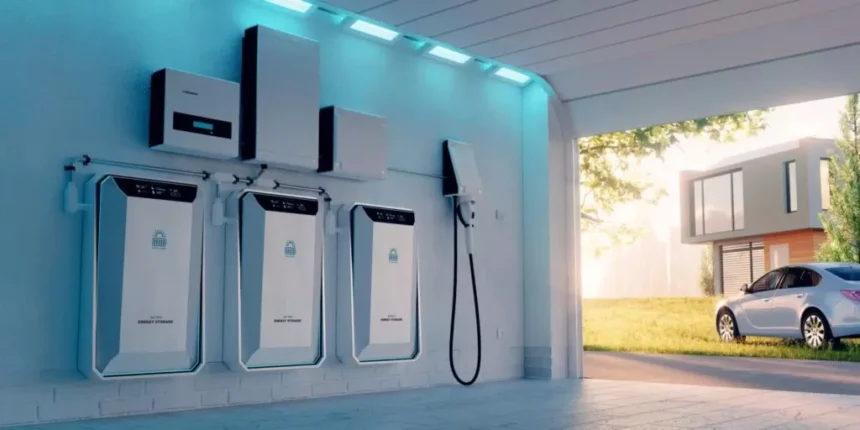
Additionally, the new scheme will make battery storage a mandatory requirement for homeowners wishing to qualify for state grants. By integrating energy storage systems with solar panels, the government aims to enhance grid stability and mitigate issues related to energy dumping during peak production hours.
Specific details regarding the size of the required batteries and the amount of subsidies available have yet to be revealed, but the funding for this initiative will be sourced from national resources, signalling a commitment to advancing renewable energy infrastructure.
Solar subsidies: Increasing Solar Adoption Across Cyprus
As of now, over 88,000 households and small businesses in Cyprus have adopted solar systems, demonstrating a growing enthusiasm for renewable energy. Nicosia leads the way in adoption rates, with the following distribution:
- Nicosia: 34,711 systems
- Limassol: 20,146 systems
- Larnaca: 15,418 systems
- Paphos: 10,275 systems
- Famagusta: 4,812 systems
Of the total contracts, the vast majority—over 81,000—were secured under the now-defunct net metering model, highlighting the extent of the shift the new policies will bring.
Future Initiatives for Collective Energy Solutions
Looking ahead, the government is also set to promote the concept of “Energy Communities.” This initiative will provide residents in apartments or homes without suitable rooftop solar access the opportunity to benefit from affordable green energy produced in shared solar parks. This community-based model aligns with broader EU trends, moving away from individual net metering to a more equitable approach in energy sharing.
As Cyprus embarks on this new chapter in solar energy policy, the combination of mandatory battery storage and the introduction of energy communities reflects a strategic move towards a sustainable energy future. The government’s efforts aim not only to streamline the solar adoption process but also to ensure that all citizens can participate in and benefit from the transition to renewable energy.