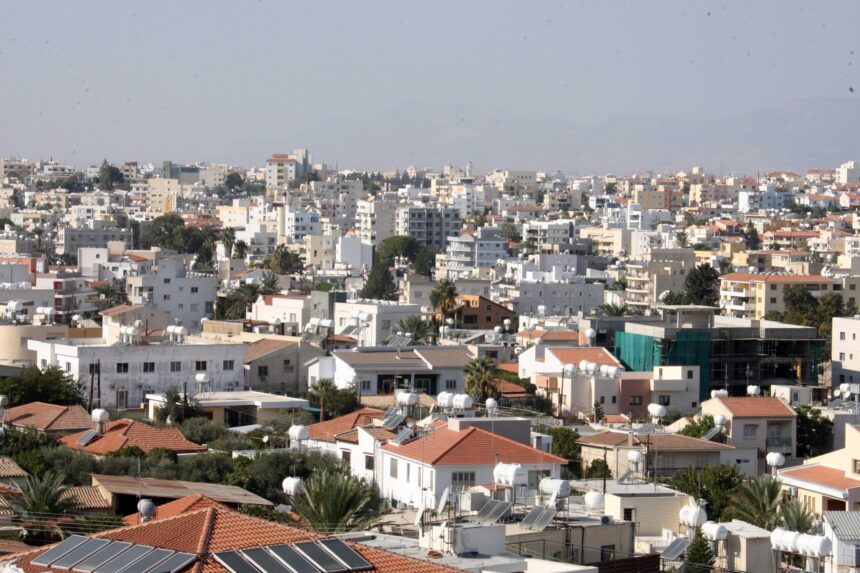
Cyprus boasts a robust home ownership rate, with 69.4 per cent of its population living in homes they own, according to newly released Eurostat data. This figure positions the island slightly above the EU average of 68.4 per cent, reflecting a notable trend across Europe in housing arrangements.
Home Ownership Rates Across Europe
Home ownership remains a dominant feature in many European nations, with Romania leading the way at an impressive 94 per cent. In stark contrast, Germany shows a different picture, where 52.8 per cent of the population are tenants, surpassing the home ownership rate of 47.2 per cent. This disparity highlights the varied approaches to housing across the continent.
Housing Types in Cyprus
Examining the types of housing in Cyprus, 74 per cent of residents live in houses, while 25 per cent reside in apartments. The EU average indicates that only 51 per cent of the population lives in houses, with 48 per cent in flats. This preference for houses in Cyprus aligns with trends in other EU countries, where two-thirds report houses as the most common dwelling type. Ireland tops this list, with 90 per cent of its population living in houses.
Room Availability and Overcrowding Rates
On average, each Cypriot has access to two rooms, exceeding the EU average of 1.7 rooms per person. This figure is significantly higher than Romania, where the average is only 1.1 rooms per person. Furthermore, the average household size in Cyprus is 2.5 individuals, contributing to one of the lowest overcrowding rates in Europe at just 2 per cent. This stands in stark contrast to the EU average of 17 per cent and Romania’s 41 per cent.
Under-Occupied Homes in Cyprus
Cyprus also holds the distinction of having the highest share of under-occupied homes in Europe, with 70 per cent of properties classified as such. This is more than double the EU average of 33 per cent, and significantly higher than Romania’s 7 per cent. This situation indicates a potential mismatch between housing supply and demand in the region.
Urban vs Rural Housing Trends
Eurostat’s data reveals stark differences in housing arrangements between urban and rural areas. In urban settings throughout Europe, 73 per cent of city dwellers live in apartments while only 27 per cent reside in houses. Conversely, in towns and suburbs, the proportions flip, with 57 per cent living in houses and 43 per cent in flats. Rural areas show an even more pronounced preference for houses, with 83 per cent of the population living in this type of dwelling.
Current Housing Challenges in Cyprus
Despite the seemingly positive outlook from Eurostat, Cyprus is currently facing an intensifying housing shortage. The demand for affordable housing has outstripped supply, leading to increased competition among tenants. A recent study by consulting firm Perprice indicates that rental prices for standard apartments in Cyprus’ main cities have risen significantly from August to October 2025.
Rental Price Increases Across Major Cities
Paphos experienced the steepest rental price rise at 4.8 per cent, while Nicosia and Larnaca saw more modest increases. Interestingly, Limassol was the only city to report a slight decrease in rental prices, dropping by 1.9 per cent. These fluctuations underscore the growing tensions in the housing market.
Government Acknowledgment of Housing Issues
Interior Minister Constantinos Ioannou has publicly acknowledged the challenges facing the housing sector. He pointed to geopolitical tensions and inflation as significant factors driving up construction costs, which in turn limit housing supply. Additionally, rising interest rates and strong demand from foreign workers have further exacerbated the struggle for local residents to secure adequate housing.
Looking Ahead: Housing Policy Considerations
The current landscape of home ownership and rental dynamics in Cyprus illustrates both achievements and challenges. While high rates of home ownership and under-occupied housing might indicate stability, the simultaneous increase in rental prices and the ongoing shortage of affordable housing pose significant hurdles for the government and residents alike. Addressing these issues will require a concerted effort from policymakers to ensure that all Cypriots have access to quality housing.