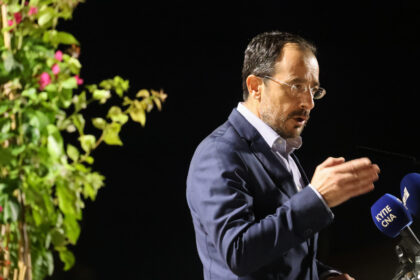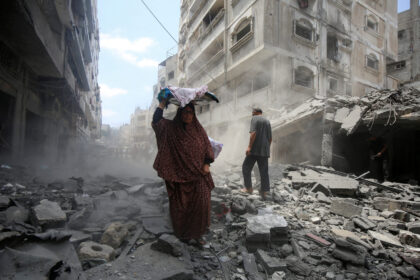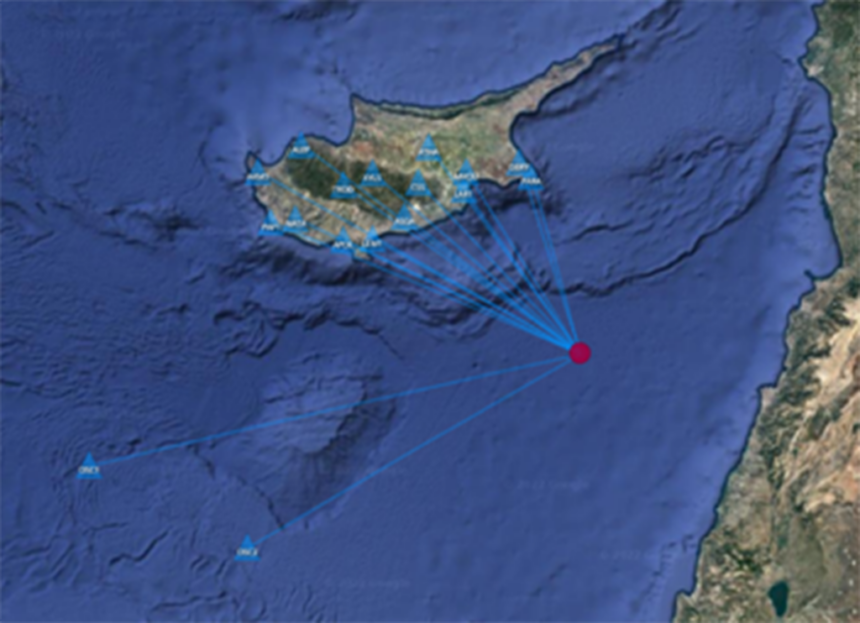
natural disaster — Cyprus and Greece have launched the joint “Epicentre” project, aimed at improving their response to natural disasters in the region. The initiative was officially introduced by Justice Minister Marios Hartsiotis on Wednesday, highlighting the urgent need for enhanced crisis management in the seismically active Eastern Mediterranean.
Natural disaster: The Importance of Collective Preparedness
Minister Hartsiotis emphasised the geographical vulnerabilities of Cyprus, stating, “Cyprus, like the entire Eastern Mediterranean, is located in one of the most seismically active regions in Europe, making it absolutely necessary to strengthen prevention, preparedness and effective crisis management.” This sentiment underscores the critical nature of the project as both nations face significant seismic risks.
Comprehensive Measures for Disaster Response
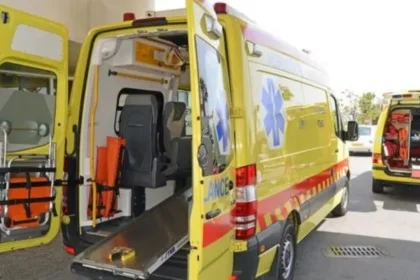
The “Epicentre” project includes a range of strategic measures designed to facilitate effective disaster response. Key components involve drafting a common operational framework and implementing joint training programmes focused on earthquake preparedness. Additionally, the project plans to equip both nations with modern rescue vehicles and specialised equipment to ensure efficient execution of rescue operations.
Building a Unified Operational Framework
In a collaborative effort, several agencies are involved in the initiative, including the Cyprus fire service, the Greek fire brigade, and the Cyprus civil defence, among others. The aim is to foster a shared understanding of operational needs and capabilities, thereby enhancing coordination during crises.
Strengthening Skills and Response Times
Elikkos Elias, the permanent secretary of the interior ministry, described the project as a shift from individual responses to a cohesive operational concept. He stated, “The necessity of this initiative is self-evident, since the entire cooperation area is located in one of the most seismic zones internationally.” The training programmes will focus on improving coordination and skills in first aid and debris rescue, ultimately aiming to reduce response times and bolster psychological resilience among responders.
A Commitment to a Safer Future
Chief fire officer Nikos Logginos discussed the project’s funding, which is part of the European Interreg VI-A Greece-Cyprus 2021-2027 programme, supported by the European Regional Development Fund and national resources from both countries, totalling €2.5 million. He stated, “With this project, both the local operational capacity and our common cross-border preparedness are strengthened.”
The Reality of Seismic Risks
Logginos highlighted the geological vulnerabilities of Cyprus, noting its positioning in the convergence zone between the African and Eurasian plates. He reiterated the need to treat earthquakes as a persistent risk rather than a mere possibility, stating, “These conditions confirm that we must face earthquakes not as a possibility, but as a realistic and constant risk.”
The Power of Unity in Crisis Management
As the project progresses, the focus will remain on fostering unity and cooperation among agencies involved in disaster response. Logginos concluded, “In the face of disasters, unity, solidarity and joint action constitute the strongest defense.” This comprehensive approach aims to significantly enhance the operational capabilities and expertise of all stakeholders, paving the way for a more resilient future.