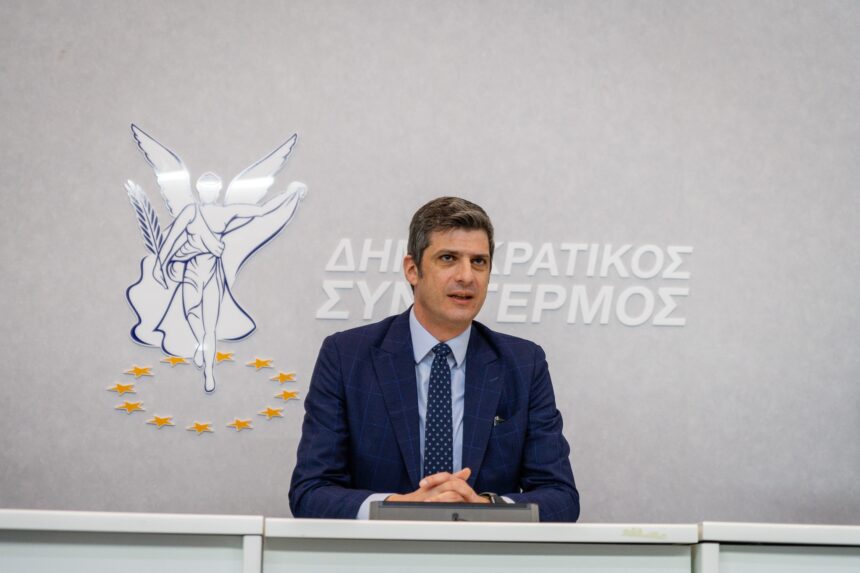
track donations — track donations — The House committee is currently examining a proposed law aimed at tracking donations and contributions to public authorities and private organisations. The bill, introduced by MP Alexandra Attalides, was discussed during a session held on Wednesday, revealing a strong intent to enhance transparency in financial dealings involving public entities.
- The proposed bill now awaits further revision before it can proceed to additional discussions in parliament, marking a significant step towards greater accountability in public donations.
Track donations: Key Provisions of the Proposed Law
Under this proposed legislation, all recipients of donations will be mandated to maintain a comprehensive registry that includes donor details, the amount contributed, and the intended purpose of the donation. This information is set to be made publicly accessible, ensuring that the community can scrutinise these financial transactions.
Aims to Prevent Corruption
The primary goal of the bill is to foster transparency and prevent scenarios that may lead to corruption. Demetris Demetriou, the chair of the committee, indicated that they will be requesting records from the finance ministry regarding all donations, whether in cash or kind, for the years 2024 and 2025. This request will also include information on any contributions that were rejected.
Public Disclosure of Donations
In a significant move towards transparency, donations exceeding €5,000 will be published not only online but also in the official gazette and in a public registry. For donations that surpass €50,000, additional visibility will be given through publication in two widely circulated newspapers. The proposed law also establishes a framework for imposing administrative fines for non-compliance, a measure the finance minister would enforce.
Motivation Behind the Legislation
The impetus for this legislation arose from a controversial donation for the Limassol public park, which was made by a non-Cypriot donor who attached specific conditions to the contribution. MP Attalides highlighted that the project was not altered with full consideration of the garden’s historical and architectural significance, leading to protests and subsequent legal actions. She emphasised that this situation underscores the necessity for stricter regulations governing conditional donations.
Restrictions on Certain Donations
The proposed legislation also introduces prohibitive measures regarding donations from individuals convicted of financial crimes, those with outstanding tax obligations, or breaches of public contracts. Moreover, any donation earmarked for a specific purpose would require cabinet approval before it could be accepted. However, small contributions that fall below a certain threshold, as well as urgent donations, will be exempt from these strictures, allowing for retroactive registration.
Penalties for Non-Compliance
To underscore the seriousness of adherence to these regulations, the bill stipulates that non-compliance could result in fines amounting to three times the value of the donation in question. This strong deterrent aims to ensure that the integrity of public contributions is upheld.
Support from Key Officials
Auditor-general Andreas Antoniades expressed his support for the proposed law, stressing that donations should align with public needs, be fully funded, and not create additional obligations. He pointed out examples of rejected donations, including those meant for fire victims and IT systems that require ongoing upgrades, illustrating the pressing need for strict procedures to safeguard public interest.
Existing Regulatory Framework
According to the finance ministry, the existing regulatory framework under law 38I of 2014 already mandates that the finance minister approves donations to the central government, and that fines for non-compliance are imposed by the relevant ministry. In the previous year, about 100 small donations were examined, with the smallest amount being €140. This review process ensures that contributions serve a public benefit without imposing obligations on the recipient.
Broad Consensus on Transparency
Data protection commissioner Maria Christofidou also voiced her support for the push towards transparency, aligning her views with both the proposed law and the existing regulations governing donations. This consensus among officials highlights a collective recognition of the importance of clear and accountable systems for managing public contributions.
Next Steps for the Proposal
As the committee continues its work, Demetriou remarked that while the law “moves in the right direction,” it still requires technical adjustments to ensure its effectiveness. The ministry has been tasked with providing comprehensive records on donations from 2024 and 2025, which will help paint a clearer picture of recent donation activities.
The proposed bill now awaits further revision before it can proceed to additional discussions in parliament, marking a significant step towards greater accountability in public donations.