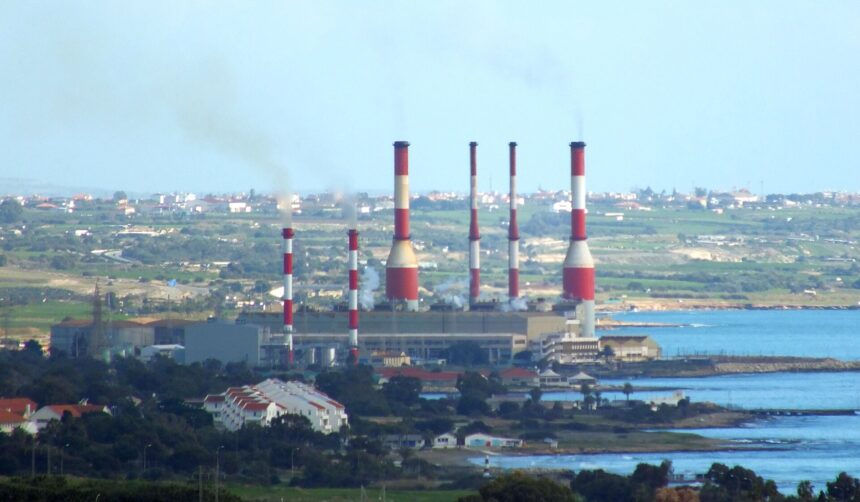
dhekelia compensation — Parliament insists on €13.7 million compensation to communities affected by the Dhekelia power plant, demonstrating a firm commitment to local residents’ concerns.
- dhekelia compensation — Parliament insists on €13.7 million compensation to communities affected by the Dhekelia power plant, demonstrating a firm commitment to local residents' concerns.
On Thursday, the House reaffirmed a law it passed earlier this month, mandating the Electricity Authority of Cyprus (EAC) to allocate a specified amount for compensation to villages near the Dhekelia facility. This law was initially voted in on October 2, but faced a setback when the president declined to endorse it, returning it to parliament for reconsideration.
Faced with the option to accept or dismiss the president’s referral, the House chose to reject it, which now paves the way for a court decision on the matter. Until the court reaches a final ruling, the law remains in limbo.
The president’s refusal to sign the legislation stemmed from the stipulation that the EAC must pay €13.7 million to the surrounding communities, which include Xylotymbou, Xylofagou, Ormideia, and Achna. This amount is intended to be disbursed starting from the law’s enactment until October 1, 2035, with the EAC having the discretion to decide whether to pay it in instalments or as a lump sum.
Concerns were raised in parliament regarding the president’s challenge to the law, especially since it closely mirrored previous legislation addressing compensation for communities near the Vasiliko power plant. MPs expressed frustration over the president’s actions, questioning why this specific law was under scrutiny when similar provisions had been accepted in the past.
Akel MP Andreas Pashiourtides dismissed fears that the ongoing legal dispute would leave the Dhekelia communities without support. He asserted that the EAC could independently provide compensation without relying on the new law. “It cannot be that we have to beg them to do the self-evident,” he remarked, emphasising the urgency of the situation.
Meanwhile, Diko MP Pavlos Mylonas raised the issue of public health, asking whether state officials could endure living near the Dhekelia plant given the potential for toxic pollutants. This highlights the broader community concerns regarding environmental safety and the need for timely compensation.
As the legal proceedings unfold, the fate of the €13.7 million compensation remains uncertain, but the determination of parliament to advocate for affected communities is clear. The dialogue surrounding this issue underscores the complexities of governance and public responsibility in addressing environmental impacts on local populations.