The House committee on labour has given the government three weeks to present its final position on a child benefit proposal that seeks to exclude agricultural subsidies from the calculations used to determine eligibility for benefits.
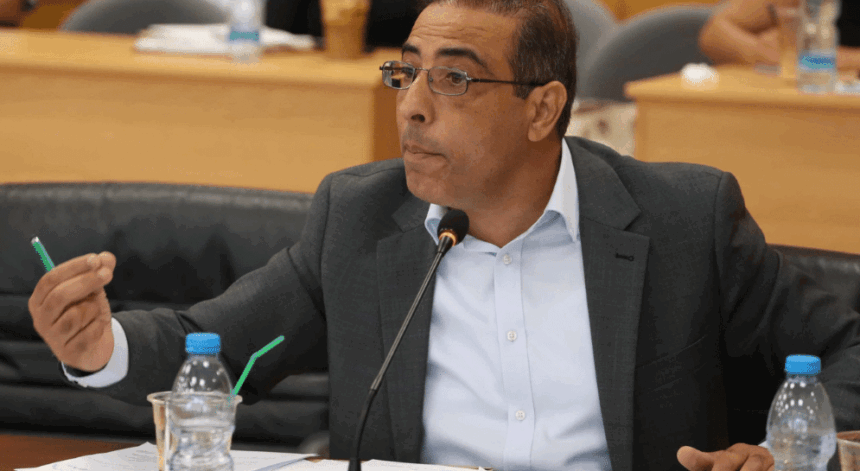
House committee president Andros Kafkalias announced this decision on Tuesday, highlighting that the bill, submitted by the left-wing party Akel, has garnered support from various stakeholders, including agricultural groups and family organisations.
Kafkalias emphasised the contradictions in the current system, noting that while the government encourages youth participation in agriculture through incentive schemes, it simultaneously penalises beneficiaries by reducing child benefits once they receive agricultural grants.
“It is inconsistent and unfair,” he stated, pointing out the complexities of the child benefit system. The benefits are not merely allowances; they are intertwined with additional forms of assistance, such as subsidies for tuition fees, food, transport, and other vital discounts.
The committee’s president argued that the financial aids provided by the Cyprus agricultural payments organisation (Koap) for investment projects, as well as the costs associated with establishing young farmers, should not be included in the income assessments that affect child benefit eligibility. He clarified that these subsidies are meant to cover capital expenses rather than represent actual income.
This initiative reflects a growing consensus among various organisations advocating for a fairer assessment process regarding child benefits, with a particular focus on supporting families involved in agriculture. The outcome of this proposal could significantly impact how benefits are calculated and distributed in the future.