payment fraud — Moneygate is at the forefront of building trust as payment fraud escalates. The latest report from the Central Bank of Cyprus (CBC) highlights a significant increase in fraudulent non-cash transactions, which rose dramatically in the second half of 2024. With a rise of 34 per cent in the number of fraudulent transactions and a 26 per cent increase in their value, the report underscores the vulnerabilities that accompany the growing reliance on digital payments.
In real terms, Cyprus experienced nearly 14,000 fraudulent incidents, totalling close to €3 million. While these figures remain relatively low compared to the euro area, the pace of growth raises concerns about the safety of digital transactions.
Card payments are the epicentre of this surge, with an alarming 94 per cent of reported fraud involving debit or credit cards. The CBC data reveals that card fraud increased by 41 per cent in volume, with the average fraudulent transaction amounting to €93. In stark contrast, credit transfers, though less frequent, resulted in an average loss of €8,015 per case.
The CBC’s findings also illuminate a troubling trend in cross-border fraud, where card transactions processed outside Cyprus are 25 times more likely to be fraudulent than those conducted domestically. This disparity highlights the need for improved regulatory enforcement and greater cooperation among payment service providers.
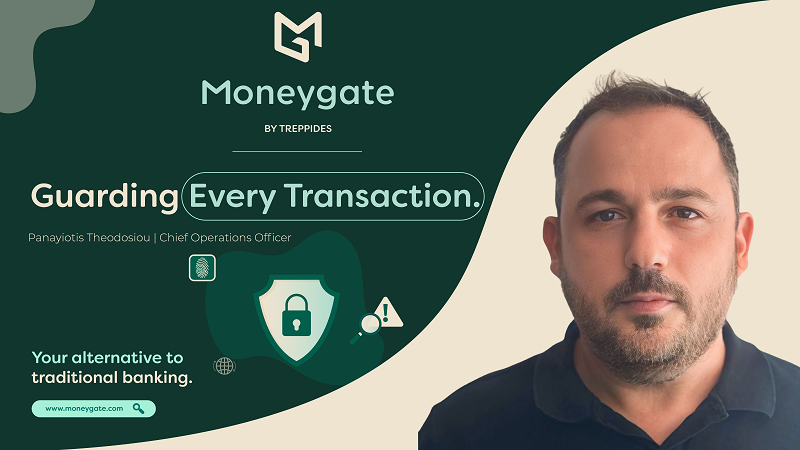
Panayiotis Theodosiou, Chief Operations Officer at Moneygate, elaborates on the broader implications of these findings. “The rise in fraud reflects wider trends across the EU,” he states. “The digital transformation of payments has simplified everyday life, but it’s also introduced new vulnerabilities. The real challenge isn’t just technological. It’s about finding the right balance between ease-of-use and system resilience.”
Moneygate’s approach to security aligns with this philosophy, prioritising stringent security protocols and adherence to EU directives. The company invests significantly in its infrastructure to ensure compliance while maintaining flexibility. This commitment to security is designed to foster client trust while facilitating fast, seamless payment processes.
Theodosiou further explains, “Fraud has operational implications far beyond the immediate financial loss: it affects customer service, incident response, regulatory obligations and even brand perception. That’s why we’ve developed a proactive framework that includes real-time monitoring powered by AI, which flags suspicious behaviour before it escalates. Much of our incident resolution process is automated, allowing our team to focus on high-level risk analysis and fraud prevention.”
The CBC report reinforces the notion that fraud prevention extends beyond technology; it requires a culture shift that embraces shared responsibility and user education. Theodosiou emphasises that an effective fraud prevention strategy must involve more than just firewalls and algorithms. It necessitates a cooperative system for early detection, rapid information sharing, and aligned regulatory approaches across borders.
Ultimately, safeguarding digital payments involves proactive measures that foster an ecosystem of trust, transparency, and collaboration. As innovation continues to evolve, it is essential for financial institutions, regulators, and consumers to work together to build resilient systems that can adapt to emerging threats.