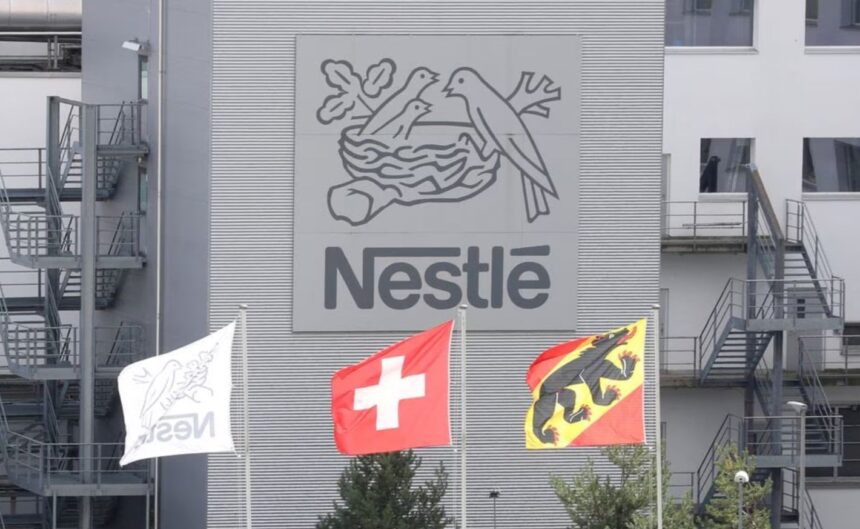
Nestle’s recent developments have sparked significant interest among investors and analysts, particularly following the early departure of chairman Paul Bulcke. His exit, six months ahead of schedule, is seen as an opportunity for renewed leadership aimed at accelerating growth and addressing ongoing challenges related to lagging units and weak sales.
Transition to New Leadership
Late on Tuesday, Nestle announced that Bulcke would pass the reins to Pablo Isla, the former CEO of Inditex. This leadership transition occurs in the wake of the dismissal of CEO Laurent Freixe, which has raised questions about the company’s strategic direction.
Market Reactions and Investor Expectations
The abrupt changes at the top have prompted speculation about a larger reorganisation within the world’s largest consumer goods company. Nestle’s shares have plummeted over 40% since their peak in 2022, largely due to a tough consumer market that has negatively impacted performance.
Investors are increasingly vocal about their desire for accelerated sales growth and improved operational efficiency. There is a strong push for cost-cutting measures and enhanced investment in key brands such as Nescafé coffee and Purina pet food.
Challenges Ahead for Nestle
On Wednesday, Nestle’s shares initially opened slightly higher but soon relinquished those gains, reflecting uncertainty in the market. Jean-Philippe Bertschy, an analyst at Bank Vontobel, emphasised the urgent need for Nestle to stabilise and restore its former reputation. He pointed out that years of sluggish growth and governance concerns have contributed to the current turmoil.
Bertschy remarked, “Nestle needs to return to calmer waters and regain its former stature. This also creates an opportunity to accelerate growth and tackle underperforming units more effectively.” His comments underline the potential for a significant shake-up within the organisation.
Implications of Management Reshuffles
The recent departures of Bulcke and Freixe mark a pivotal moment for Nestle, paving the way for new CEO Philipp Navratil and incoming chairman Isla to assert their control and implement a fresh strategy. Analysts have noted that the pressure for leadership renewal has been mounting, especially following Freixe’s exit.
In a statement, Nestle confirmed that Isla and Navratil are dedicated to fostering organic growth while optimising efficiencies to reinvest in their product portfolio. Jon Cox, an analyst at Kepler Cheuvreux, anticipates a thorough review of Nestle’s business structure, suggesting that the company might take more decisive action regarding cost reductions and potentially divest underperforming divisions, such as its frozen food operations in North America.
Future Directions for a Restructured Nestle
Cox noted, “The strategy is likely to be the same in terms of freeing up savings to drive growth through investment in innovation, new products and advertising.” His insights reflect a belief that Nestle may focus on aggressive cost-cutting measures and a reevaluation of its business priorities, which could lead to significant changes in its operational landscape.
As Nestle navigates this period of transition, the impact of its leadership changes and strategic decisions will be closely monitored by investors and analysts alike. With the stakes high and a challenging market environment to contend with, the coming months will be crucial for Nestle as it seeks to redefine its path forward.