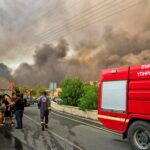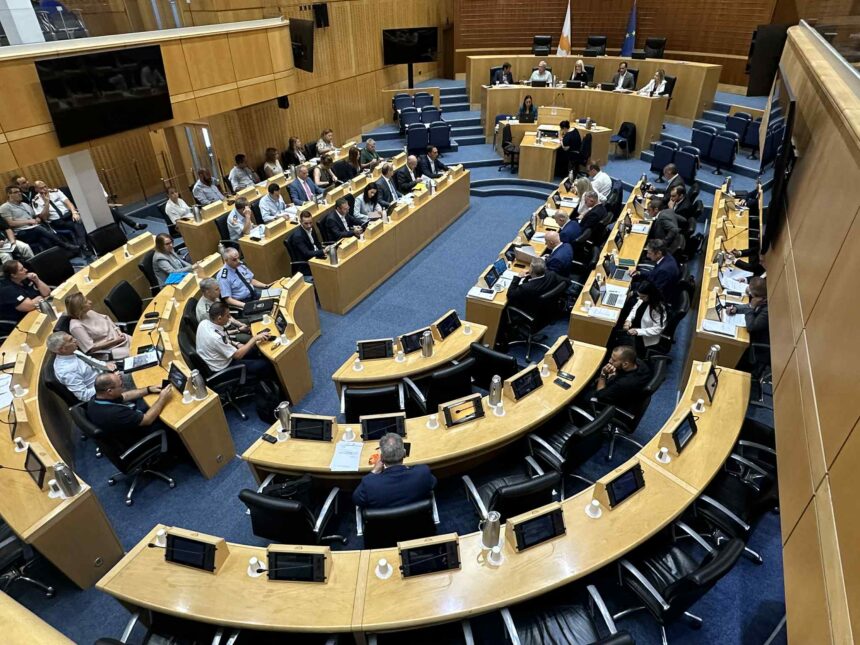
limassol wildfire — limassol wildfire — Interior Minister Constantinos Ioannou spoke about the unprecedented weather conditions that contributed to the devastating wildfire in Limassol, which tragically resulted in two fatalities last month. His remarks were made during a joint session of the House agriculture, environment, and interior committees.
- Ioannou’s statements underline a comprehensive approach to addressing the challenges posed by climate change and improving disaster response mechanisms in Cyprus.
Highlighting the extreme weather, Ioannou stated that the hot and dry climate, coupled with strong winds, created a perilous situation that proved challenging to manage. He reflected on the impact of rapid climate change, explaining that the conditions experienced during the fire are a stark indication of a reality we can no longer ignore.
At a previous session, national guard chief George Tsitsikostas revealed alarming statistics about the wildfire’s intensity. While past fires burned at a rate of 2.2 acres per hour, the recent fire escalated to an alarming 10 acres per hour—four and a half times the usual rate. This significant increase exemplifies the changing nature of wildfires in the region.
Ioannou noted that findings from the United States’ Bureau of Alcohol, Tobacco, Firearms and Explosives (ATF) and local experts corroborated the difficult conditions faced by firefighters. Despite the enhancements made in recent years, including improvements in manpower and aerial support, the intensity of the fire posed unprecedented challenges.
Currently, the Republic of Cyprus employs 916 firefighters, an increase from 590 in the summer of 2022. The government has also bolstered its fleet, now operating 11 aircraft—up from seven the previous year. The management of these aerial resources has been transferred to the national guard for better efficiency.
Recognising the need for further improvements, Ioannou stated, “We must strengthen ourselves even more to protect against natural disasters and crises of this magnitude, which are becoming more frequent due to climate change.”
In terms of support for the affected communities, the government has acted swiftly to provide financial assistance. Ioannou reported that €2.2 million has been allocated to aid 279 families impacted by the fire, with additional cases pending the submission of necessary information for payments. Temporary accommodation has been arranged for 348 individuals, with 58 still residing in these facilities.
The fire decimated 706 properties, leaving 335 completely destroyed. The scientific and technical chamber (Etek) is currently assessing the damage to determine the costs based on current market values.
Looking forward, Ioannou acknowledged certain weaknesses in the response mechanisms, particularly regarding evacuation procedures for campsites. A letter has been dispatched to the education ministry to enhance protocols, which include informing civil defence about camping activities in advance and ensuring vehicles are available for emergency evacuations.
Additionally, village councils have been instructed to update resident contact information to facilitate effective communication during emergencies. This initiative aims to ensure that residents receive timely alerts and instructions in the event of a disaster.
Ioannou’s statements underline a comprehensive approach to addressing the challenges posed by climate change and improving disaster response mechanisms in Cyprus.