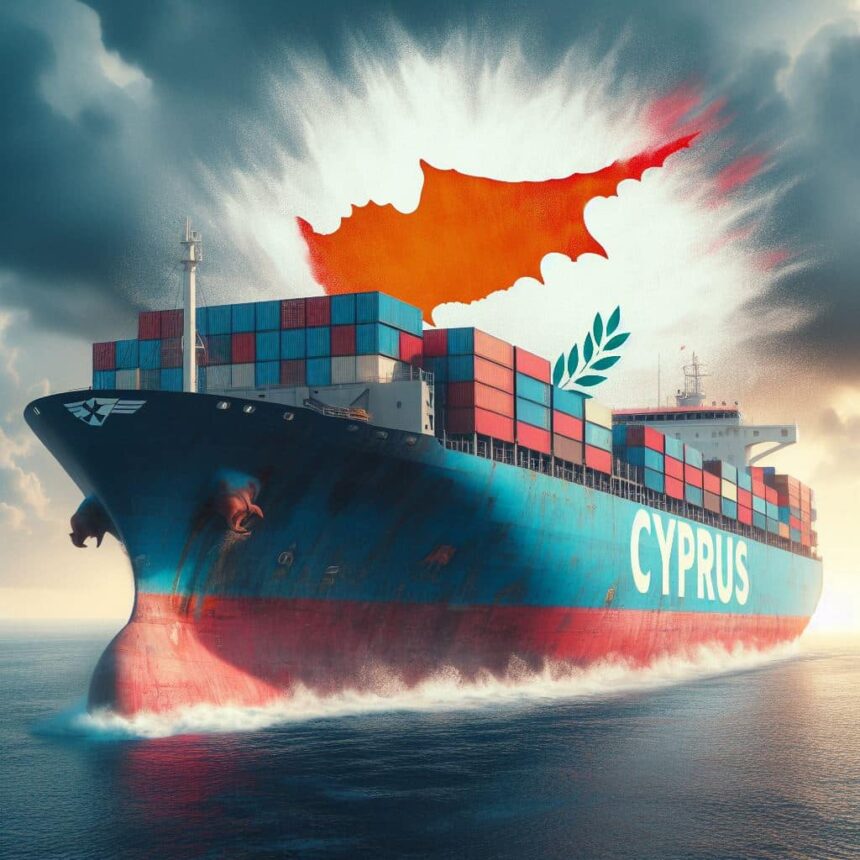
The Cyprus Union of Shipowners (CUS) has commended Cyprus for significantly enhancing the country’s maritime influence during its recent six-month presidency of the Council of the European Union.
- The Cyprus Union of Shipowners (CUS) has commended Cyprus for significantly enhancing the country’s maritime influence during its recent six-month presidency of the Council of the European Union.
- The union concluded by commending all participants for their dedication and expressed eagerness to further strengthen cooperation in advancing Europe’s maritime future.
The presidency, which Cyprus held from January 1 to June 30, marked the second time the country took on this rotating role, having previously done so in 2012. According to CUS, this term was characterised by decisive leadership and a strategic vision that effectively strengthened Europe’s maritime agenda.
Significant Organisational Achievements
Throughout its 181-day presidency, Cyprus organised a notable array of events including three summits, 19 informal ministerial meetings, and 52 formal ministerial meetings. The presidency attracted more than 30,000 visitors to the island for various events related to its activities.
Key Institutional Engagements
CUS played an active role in several significant gatherings during this term. This included attending the opening ceremony in Nicosia, participating in the EU Trade Policy Retreat in Geneva, and contributing to the high-level conference titled “Investing in Seafarers – Securing the Future of Global Shipping”, which took place in Limassol on April 28.
During the Limassol conference, CUS president Polys Hajioannou emphasised the need for closer cooperation among governments, international organisations, and the shipping industry. He stressed that the welfare and visibility of seafarers require tangible actions rather than mere rhetoric.
Fostering Maritime Dialogue
The maritime focus continued with European Maritime Day, held in Limassol on May 21 and 22, where policymakers and industry representatives convened to discuss issues such as shipping competitiveness, decarbonisation, and Europe’s strategic autonomy.
At a panel on blue industrial leadership during this event, Hajioannou endorsed Europe’s commitment to maritime decarbonisation. However, he cautioned that the transition must be both realistic and financially viable. He highlighted European shipping as a crucial component of the economy and a key player in ensuring the bloc’s energy security.
Acknowledging Leadership and Collaboration
CUS expressed gratitude towards President Nikos Christodoulides, Foreign Minister Constantinos Kombos, and Deputy Minister for European Affairs Marilena Raouna, stating that their leadership was instrumental in achieving the presidency’s goals.
The union concluded by commending all participants for their dedication and expressed eagerness to further strengthen cooperation in advancing Europe’s maritime future.