
The digital euro debate has raised significant questions about who controls your money. In March 2023, European Central Bank (ECB) President Christine Lagarde became an unwitting participant in a prank call that revealed insights into the potential limitations of the digital euro. During the call, where a prankster impersonated Ukrainian President Volodymyr Zelenskiy, Lagarde mentioned that the ECB’s digital currency would entail a “limited amount of control” over transactions.
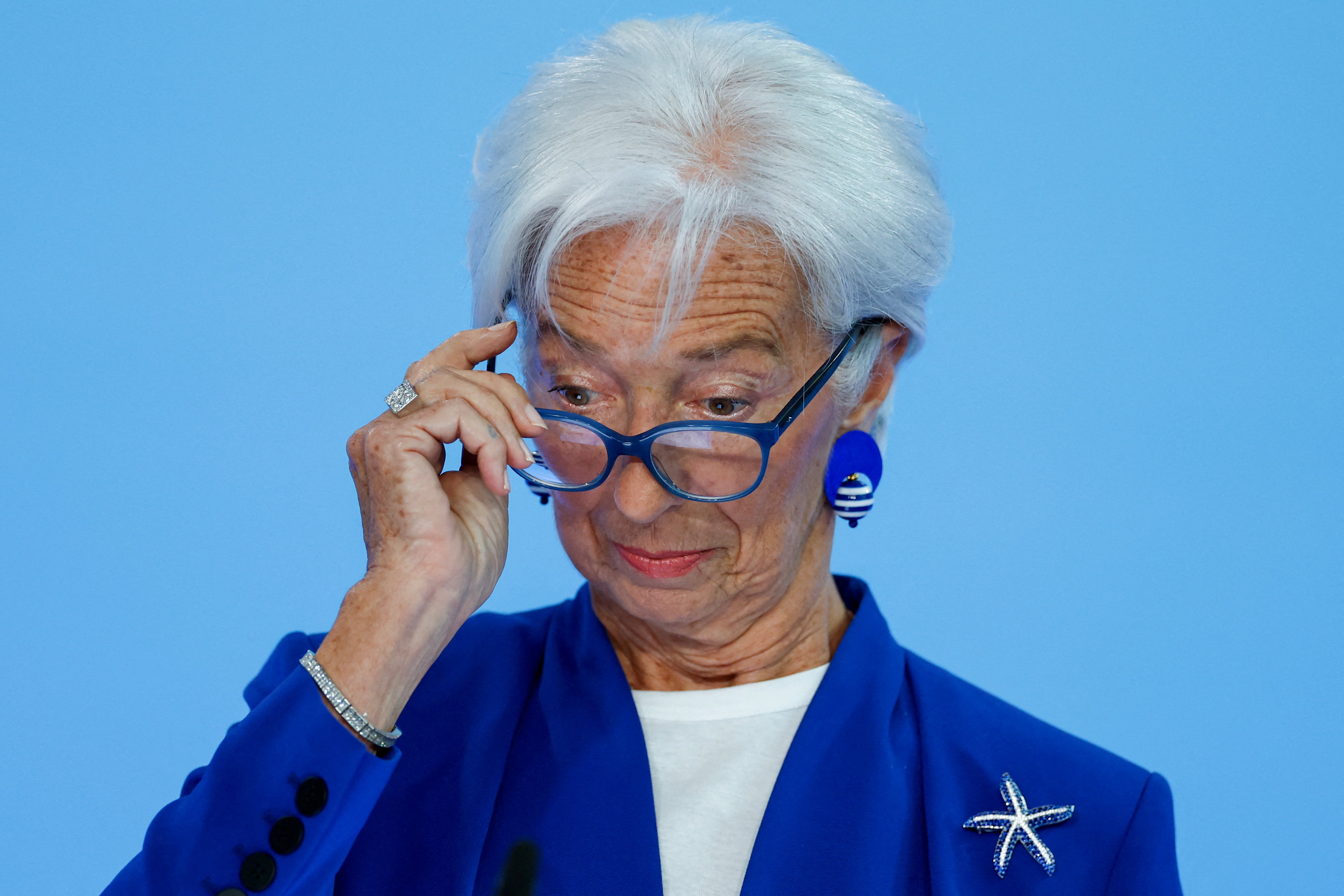
Photo: cyprus-mail.com
Implications of Digital Currency on Cash Transactions
Lagarde’s comments highlight a growing trend where physical cash is increasingly sidelined in favour of digital means of payment, which are issued and regulated by central authorities. While the ECB aims to reassure the public that the digital euro will not replace cash, concerns about individual privacy and autonomy remain prevalent.
Photo: cyprus-mail.com
In her discussion, Lagarde expressed concerns about allowing for unrestricted transactions for small amounts, citing past terrorist activities financed through anonymous payment methods. This reflects a broader regulatory landscape, where cash transactions are being curtailed in various EU countries to combat tax evasion.
Recent Legislative Changes in Europe
- As of July 1, 2023, Cyprus has prohibited cash payments for rent, aiming to reduce tax evasion.
- In Greece, proposed legislation mandates electronic payments for transactions exceeding €500.
- The EU’s new Anti-Money-Laundering Regulation will impose a €10,000 cap on cash business transactions across the bloc starting July 10, 2027.
Andreas Shialaros, a lawyer based in Cyprus, has pointed out that these measures cannot be viewed in isolation. The shift to digital payments is not just a matter of convenience but raises fundamental questions about control and privacy in financial transactions.
Understanding the Nature of the Digital Euro
Shialaros elaborates on what the digital euro entails, contrasting it with traditional euros held in bank accounts. While euros in a bank account are regarded as private liabilities of commercial banks, the digital euro is a direct liability of the ECB, akin to cash. However, unlike cash, it operates on a system managed by the Eurosystem, which introduces a layer of oversight not present with physical currency.
The ECB has indicated plans for the digital euro to be available potentially by 2029, contingent upon the adoption of necessary EU legislation by 2026. This timeline raises questions about how the digital euro will function in practice, including its capacity for anonymity and control.
Legal Considerations and Anonymity
Shialaros emphasises the legal implications of the digital euro, particularly in how it differs from cash. Cash operates as a bearer instrument, unencumbered by the need for third-party approval for transactions. In contrast, the digital euro will require user identification and will be subject to various regulatory frameworks, particularly concerning anti-money-laundering laws.
As currently proposed, the digital euro will have a limited offline functionality designed to mimic cash transactions but will still require identity verification for transactions exceeding certain thresholds. This raises concerns about the erosion of anonymous payment capabilities that are a hallmark of cash transactions.
Concerns About Programmability and Control
One of the more contentious aspects of the digital euro discussion revolves around its programmability. Officials assert that the currency will not be programmable, meaning that users will have the freedom to spend it as they wish. However, Shialaros warns that this assurance does not preclude the possibility of future changes to the regulatory framework that could allow for programmability.
The distinction between ‘programmable money’ and ‘conditional payments’ is crucial. While programmable money would restrict usage to specific goods or services, conditional payments would allow automated transactions under predefined conditions. This ambiguity raises questions about the true intent behind the digital euro and the broader implications for personal financial autonomy.
Future of Digital Euro and Legislative Safeguards
As the legislative process for the digital euro unfolds, Shialaros urges Cyprus to adopt a cautious approach, advocating for several key safeguards:
- A statutory guarantee that euro banknotes and coins will remain legal tender.
- A high threshold for offline, anonymous transactions to ensure the continuity of cash-like functionalities.
- A binding prohibition on programmable features, with any changes requiring explicit parliamentary approval.
- Clarity from the Central Bank of Cyprus regarding the limits on holdings and privacy measures associated with the digital euro.
Shialaros’s critique reflects a broader sentiment that while the transition to a digital euro may hold public-policy benefits, such as improved tax compliance and modernisation, it is crucial to maintain a balance between innovation and individual freedoms.
The Path Forward
The digital euro is not merely a technical project; it represents a fundamental shift in how money is conceptualised and controlled within society. As the architecture for this new financial landscape is constructed, the implications for privacy, autonomy, and individual rights must remain at the forefront of discussions. The outcome will ultimately shape the future of money in Europe and redefine the relationship between citizens and their financial systems.