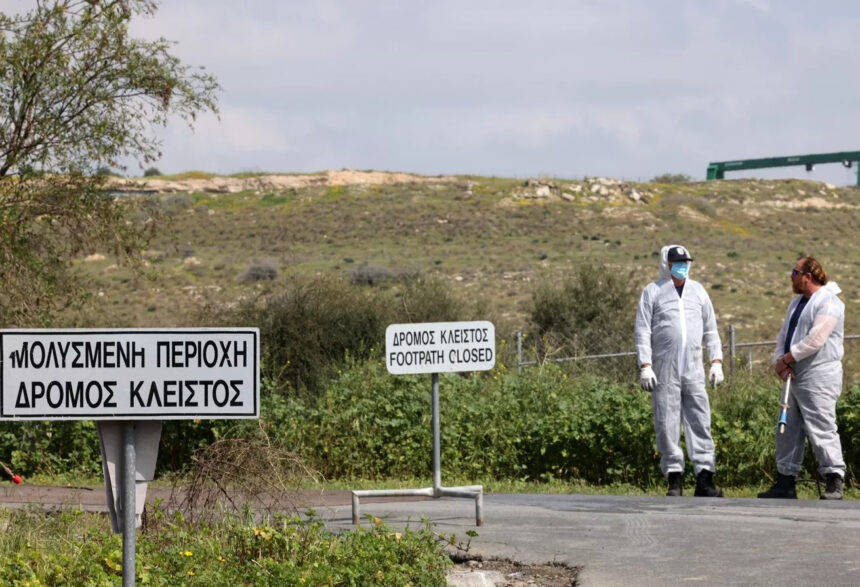
foot-and-mouth disease — The foot-and-mouth disease situation in Cyprus is stabilising, with no new positive cases detected, according to Demetris Epaminondas, president of the Cyprus Veterinary Association. This encouraging update comes as a result of thorough checks conducted throughout the country.
Foot-and-mouth disease: Negative Test Results Across Regions
All samples taken from Limassol and the latest tests from Nicosia have returned negative results. This progress is seen as a crucial step in managing the outbreak, as it suggests that the virus is not currently spreading in these areas.
Nationwide Surveillance Campaign Initiated
In light of these developments, a comprehensive surveillance campaign is set to commence across all livestock units in Cyprus. The aim is to assess antibody levels from vaccinations and to identify any potential presence of the virus in previously unmonitored areas.
Vaccination Efforts Ongoing
Vaccinations continue unabated across the island, with officials confident that they will be completed by the end of August or early to mid-September. Epaminondas confirmed that there are sufficient vaccine supplies available for the current cycle, alleviating concerns over shortages. The next batch of pig vaccines is expected soon, which will be critical for evaluating future needs.
Cullings and Exemptions
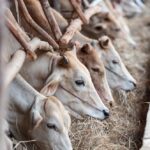
All designated culling operations have been completed, with the exception of specific exemptions granted for fat-tailed sheep and red cows. This measure was necessary to control the spread of the disease while balancing the needs of the livestock sector.
Environmental Conditions Aid Stabilisation
Summer weather conditions are proving beneficial in reducing the virus’s ability to survive outside hosts, thus lowering the transmission risk. “At this moment, there is a stabilisation of the situation,” Epaminondas noted, emphasising that ongoing biosecurity measures, vaccinations, and favourable climatic conditions will help maintain this stability as the region prepares for the autumn months.
Future Restocking Plans Remain Uncertain
When asked about the possibility of restocking culled animals, Epaminondas stated that there is currently no organised effort in place. The Special Scientific Committee is responsible for overseeing the reconstruction and upgrading of the livestock sector. He mentioned that if the situation remains stable, minor restocking from abroad might be necessary, but it is also possible to avoid this step.