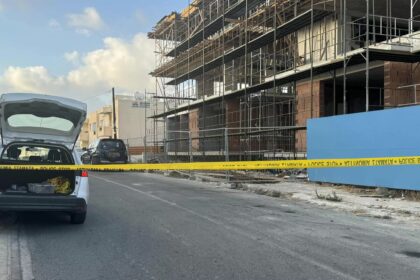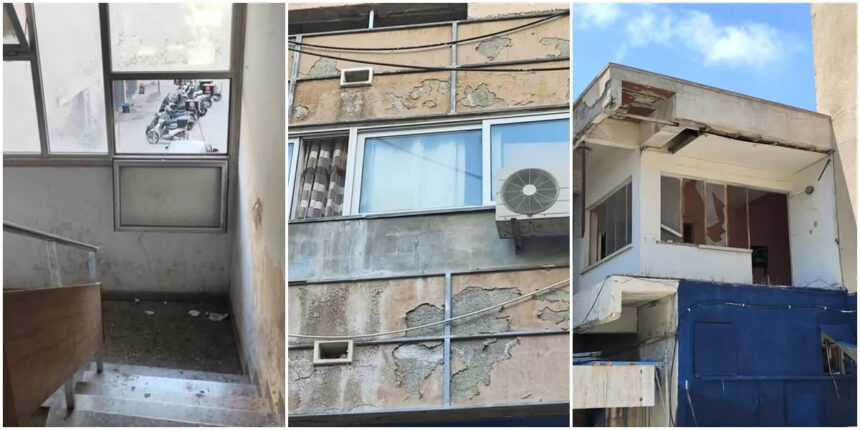
Larnaca has been identified as having 1,050 dangerous buildings, putting the lives of 300 families at risk due to potential collapses, according to the Larnaca District Local Government Organisation (DLGO). This alarming figure is nearly double the 563 buildings reported by local authorities to the DLGO on April 1, 2025.
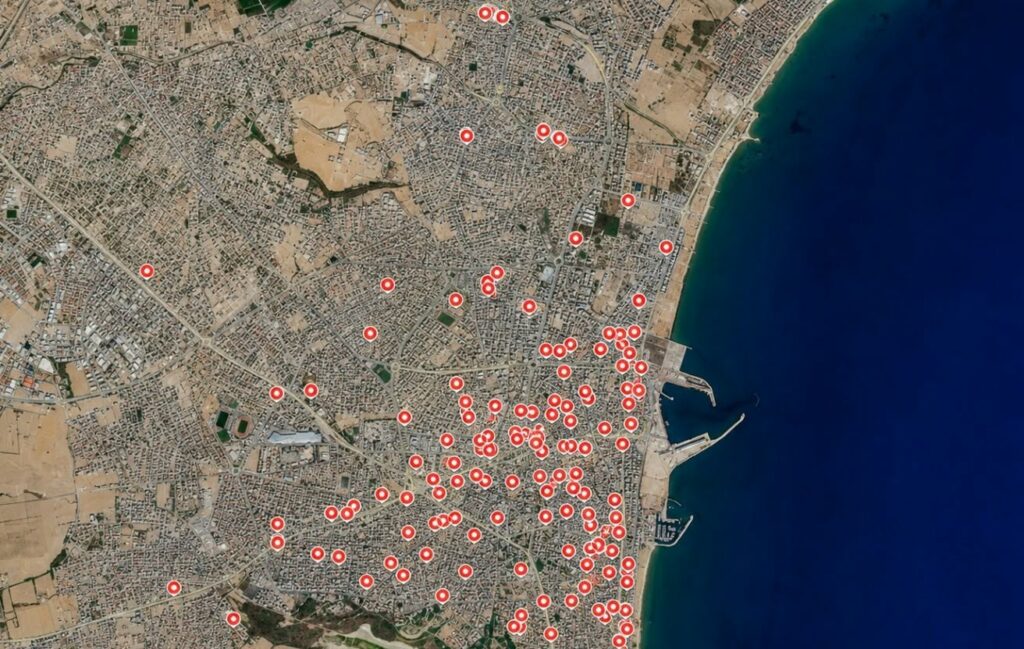
Photo: en.philenews.com
Dangerous buildings: Breakdown of Dangerous Structures
Of the total dangerous buildings, 471 are located within the Larnaca municipality, while others are distributed across the region: 117 in Lefkara, 65 in Dromolaxia-Meneou, 39 in Aradippou, 12 in Athienou, and 346 in various community clusters. The majority of these buildings are currently unoccupied and will be sealed, with property owners instructed to take necessary action.
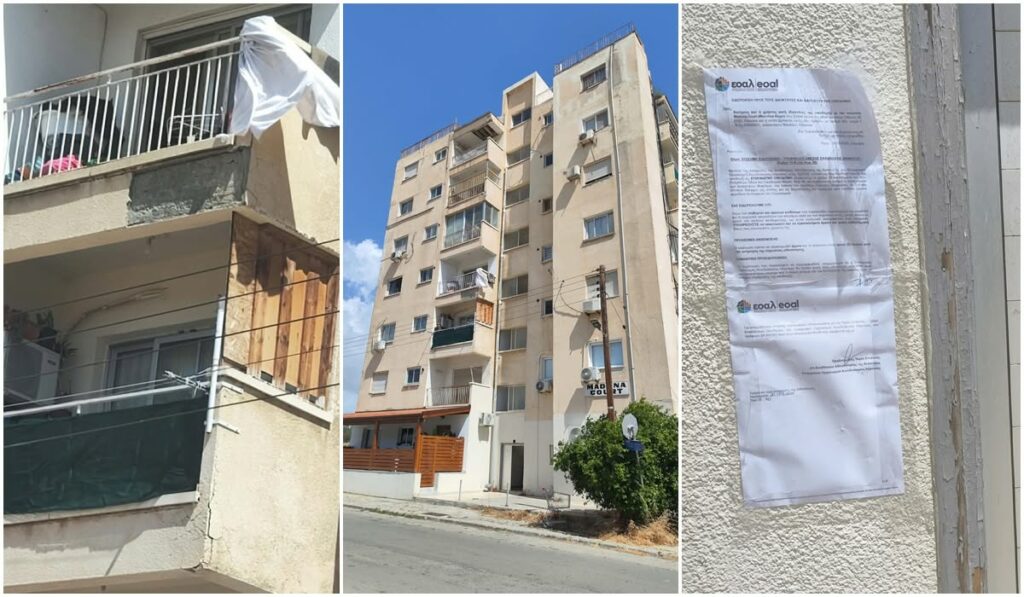
Photo: en.philenews.com
Immediate Risks in Occupied Buildings
The findings from the initial mapping exercise, which involved 180 visual inspections by private engineers, have raised significant concerns. Out of these inspections, 94 buildings were classified in Category C, indicating they are at risk of collapse without immediate intervention. Additionally, 36 were categorised as Category B due to extensive damage, while 30 fell into Category A for minor damage. Only 20 buildings were deemed to have no issues, as they were recently renovated.
Particularly concerning is the fact that 31 of the Category C buildings remain occupied, comprising 27 apartment blocks—26 located in Larnaca city and one in Pyla—and four ground-floor homes, three in Larnaca and one in Tersefanou. These 27 blocks host 300 occupied apartments, predominantly situated in the city centre and the Sotiros and Chrysopolitissa areas.
High-Profile Cases Highlight Risks
Among the most notorious at-risk buildings is the Filanda apartment block near the port, which recently gained attention after three migrants fell from balconies while attempting to escape arrest during a migration operation; one tragically died from the fall. This block contains 79 apartments and 10 shops. Another dangerous building in Larnaca city centre holds 64 apartments and 12 shops.
Urgent Action Required
DLGO president Angelos Hadjicharalambous announced that the organisation plans to address all 31 occupied Category C buildings within a strict 15-day timeframe. Meanwhile, the 63 unoccupied Category C buildings will be sealed off, and appropriate signage will be placed on the remaining structures across the district.
Hadjicharalambous emphasised the importance of property ownership, stating, “When you own a property, it carries a great responsibility. Owners must maintain their buildings. Otherwise, they risk administrative fines, which we intend to impose.” Since the issue has been made public, numerous property owners have contacted the DLGO expressing their intention to take action, likely motivated by the fear of having their properties taken over by the organisation.
Recent Evacuations and Closures
Since late May, the DLGO has taken several decisive actions to address the dangerous conditions of various buildings. This includes the evacuation of the Madona Court apartment block in Faneromeni, the closure of Club D’Lux in the port area, and a warning issued to Adelphi Court in Chrysopolitissa to rectify dangerous conditions. A number of hazardous unoccupied buildings have also been fenced off, and demolition proceedings have been initiated for two buildings in Larnaca and Tersefanou, with two more demolitions expected shortly.
The evacuation of Madona Court was conducted smoothly, with assistance from municipal social workers. The Interior Ministry facilitated the provision of 30 hotel rooms through Civil Defence for temporary accommodation. However, the Sub-Ministry of Welfare has indicated it has no intention of intervening in future evacuations, raising concerns about the potential for a severe social issue, given the high rental costs and limited housing availability in Larnaca.
Legislative and Resource Challenges
Hadjicharalambous pointed out that existing legislation is obstructing the DLGO’s ability to act quickly and decisively. A court order is necessary before imposing administrative fines, and courts in other towns have previously refused to approve evacuation orders for buildings classified as dangerous. “While the buildings are dangerous, residents remain inside, and the law dictates that we as organisations bear responsibility,” he stated. A bill aimed at addressing these issues is currently being prepared for the Interior Committee.
Furthermore, resources are stretched thin. The mapping exercise alone consumed nearly all staff in the DLGO’s Licensing Service for a month and a half, leading to a suspension of permit issuance—this has since resumed. The costs associated with visual inspections could reach around €300,000. Although the Interior Ministry is allocating €2 million for these purposes, Hadjicharalambous believes this amount will fall short of what is needed to ensure safety and compliance.