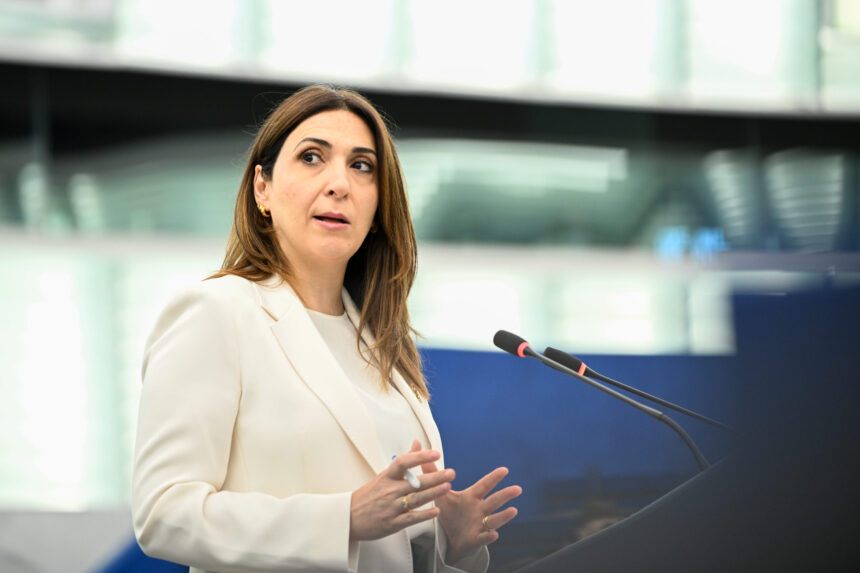
The European Union faces an urgent need to shift from a reactive approach to one that anticipates and prevents hybrid threats, according to Deputy Minister for European Affairs Marilena Raouna. Speaking at a plenary session in Strasbourg on Wednesday, Raouna underscored the importance of protecting EU citizens’ data in an increasingly complex threat landscape.
Escalating Cyber Threats Demand a Unified Response
Raouna highlighted the growing sophistication of cyberattacks that are causing significant concern among both citizens and industries across Europe. “In today’s environment of hybrid threats and escalating cybercrime, member states are stronger when they stand united,” she stated, as per a statement from the secretariat of Cyprus’ presidency of the Council of the EU.
A Strong Legislative Framework in the Works
In her address, Raouna pointed out that the EU has developed a robust legislative framework in recent years aimed at enhancing cybersecurity. She welcomed the European Commission’s proposed cybersecurity package currently under discussion at the Council, which is seen as a crucial step towards fortifying the EU’s cyber resilience.
Enhancing Operational Cooperation Through Enisa
Raouna also advocated for strengthening the role of the EU Agency for Cybersecurity (Enisa) to enhance operational cooperation among member states. This initiative aims to improve collective cyber resilience, an essential element in countering hybrid threats.
Beyond Cyberattacks: The Nature of Hybrid Threats
The Deputy Minister warned that the security environment today is characterised not only by cyberattacks but also by broader hybrid threats posed by malicious actors. “These threats are becoming increasingly sophisticated, combining cyberattacks with foreign information manipulation, economic coercion, and sabotage,” she explained. Such tactics necessitate a coordinated response across the EU.
Framework for a Coordinated EU Response
While primary responsibility for cybersecurity continues to lie with individual member states as a matter of national security, Raouna noted the Council’s efforts to establish a framework for a coordinated EU response to hybrid campaigns. This includes initiatives like the EU Cyber Diplomacy Toolbox aimed at improving the bloc’s ability to deter and respond to malicious cyber activity.
Rapid Response Teams at the Ready
The framework also features hybrid rapid response teams that can be deployed upon request from member states and partner countries to tackle hybrid threats effectively. This proactive measure is designed to reinforce the EU’s collective security posture.
Analytical Capabilities to Combat Threats
According to Raouna, the European External Action Service plays a vital role in supporting the framework by providing central analytical capabilities for detecting and assessing hybrid threats. This collaborative approach is key to ensuring that the EU remains vigilant against emerging risks.
Commitment to Strengthening Collective Efforts
In March, the Council adopted conclusions that reaffirmed its commitment to enhancing the EU’s capacity to tackle hybrid threats. Raouna mentioned the European Democracy Shield initiative, which works alongside the European Centre of Democratic Resilience to further bolster collective efforts in this area.
Raouna concluded by reiterating the critical challenge: moving from a reactive approach towards one centred on anticipation and prevention. The EU is committed to strengthening its capabilities to help member states detect, deter, and disrupt hybrid campaigns before they can fully materialise.