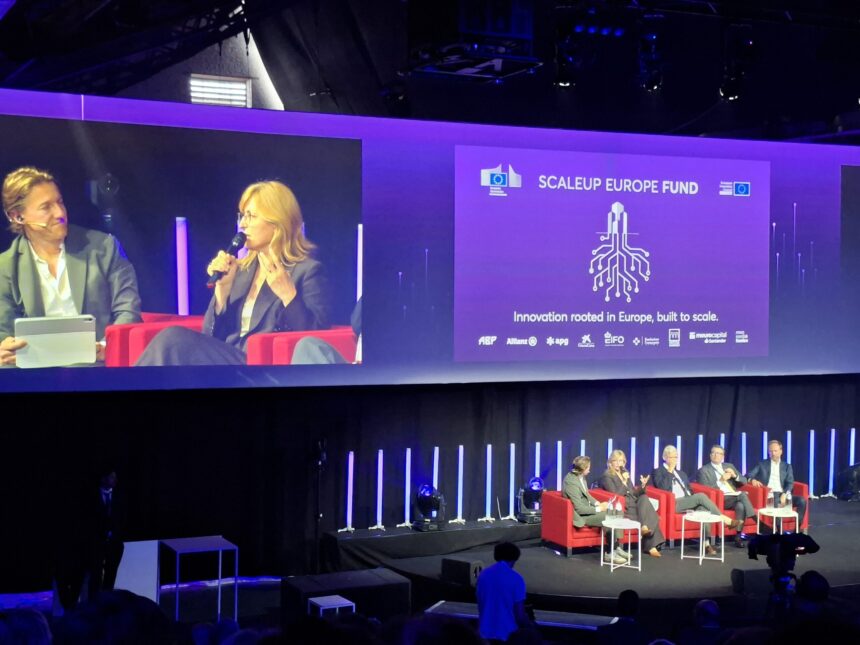
The European Union has taken a significant step forward in fostering deep tech growth with the unveiling of the Scaleup Europe Fund. This initiative was announced during the European Innovation Council Summit in Brussels, alongside the recognition of the winners of the European Prize for Women Innovators 2026.

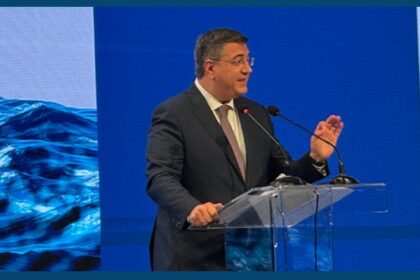
Photo: cyprus-mail.com
The Scaleup Europe Fund is a multi-billion euro investment vehicle aimed at supporting Europe’s most promising companies operating in strategic technology sectors. These sectors include artificial intelligence, quantum technologies, semiconductors, and biotechnology, among others. The EU has identified a critical investment gap that hinders many of these companies from accessing the necessary capital to scale and compete on a global level.
Backed by a consortium of founding investors, including Novo Holdings, EIFO, and Allianz, as well as the European Commission, the Scaleup Europe Fund will operate within the framework of the existing European Innovation Council Fund. However, it will be managed by a privately owned fund manager, ensuring a market-based approach to investment.
This fund is part of the broader EU Startup and Scaleup Strategy, which was announced by Commission President Ursula von der Leyen in her 2025 State of the Union address. Von der Leyen emphasised the importance of creating an environment where the best of Europe can flourish within Europe.
After a rigorous selection process, EQT has been chosen as the preferred investment adviser and fund manager. The expected fund size is around €5 billion, which is set to provide vital support to deep tech scaleups across the continent. The European Commission has stated that the next steps will involve finalising legal agreements related to the governance and investment framework of the fund. Founding investors are currently undergoing internal approvals and due diligence, with these processes anticipated to conclude in the coming weeks.
The Scaleup Europe Fund aims to begin its investment activities in autumn 2026, with an official presentation scheduled for the EIC Summit on June 3, 2026. This initiative not only addresses the investment gap but also aims to enhance Europe’s competitiveness in the global technology landscape.
In conjunction with the fund’s announcement, the European Prize for Women Innovators 2026 celebrated outstanding female entrepreneurs contributing to innovation. European Commissioner for Startups, Research and Innovation, Ekaterina Zaharieva, highlighted the significance of recognising women’s contributions to the innovation ecosystem. She noted that the winners exemplify how diversity in entrepreneurship strengthens Europe’s innovation capacity.
The awards, which are jointly managed by the European Innovation Council and other agencies, were divided into three categories. Katerina Spranger, founder of Oxford Heartbeat, took the top prize in the EIC Women Innovators category for her work in using AI to treat brain aneurysms. Other notable winners included Elena Heber, co-founder of HelloBetter, and Judit Camargo Sanromà, founder of Roka Furadada, who were recognised for their impactful innovations in mental health and eco-friendly products respectively.
The EIC Rising Innovators category saw Marta Oliveira, co-founder of ATMOS Space Cargo, win for developing reusable space capsules, while Ella Frances Cullen from Minespider was awarded in the EIT Women Leadership category for her blockchain-based solutions for supply chain traceability. The winners in each category received funding of up to €100,000, demonstrating the EU’s commitment to promoting innovation among women.
Through these initiatives, the EU aims to inspire more women and girls to engage in innovation and entrepreneurship, thereby fostering a more inclusive and competitive technology landscape across Europe.