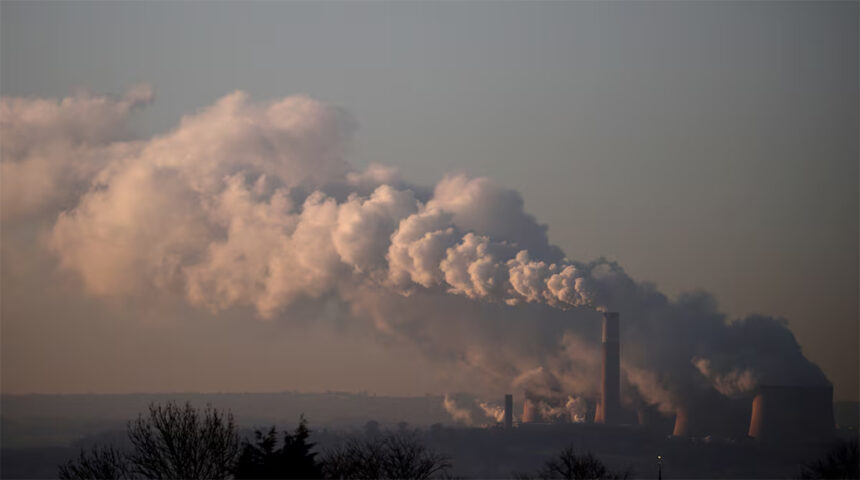
emissions reduction — Britain has set an ambitious target to cut emissions by 87% by 2040 compared to 1990 levels, signalling a robust commitment to achieving net zero goals. This initiative aims to curb energy costs and foster job creation, although the specifics of how this target will be reached remain unclear.
The government’s move comes in light of recent spikes in energy prices, a situation exacerbated by geopolitical tensions, notably the ongoing conflict in Iran. Energy minister Ed Miliband remarked, “As Britain faces the second fossil fuel shock of the decade, the only way to protect family and business finances is to drive for clean homegrown power that we control.”
This year, households are bracing for a 13% increase in energy bills starting July, following Ofgem’s decision to raise its price cap due to soaring wholesale gas prices. Such financial pressures underscore the urgency of transitioning to cleaner energy sources.
Emissions reduction: Renewable Energy and Technological Investment
Achieving the government’s emissions target will likely necessitate significant investments in low-carbon technologies, including renewable energy, heat pumps, and electric vehicles. The Climate Change Committee has previously indicated that substantial lifestyle changes, including a reduction in meat consumption, may also be essential to meet these goals.
Aviation emissions present another challenge, as a reduction in flying may be required unless sustainable fuel development accelerates. This multifaceted approach highlights the complexity of the transition required to meet the emissions target.
Political Divisions and Economic Implications
The rising fossil fuel prices have intensified debates within Britain. On one side are those advocating for increased oil and gas drilling, while others are pushing for a more substantial commitment to renewable energy sources. The Conservative Party, which opposed the 2050 net zero target last year, has called it unfeasible, indicating a significant political divide over energy policy.
As of now, Britain has successfully reduced greenhouse gas emissions by approximately 54% from 1990 levels, with a notable 2% year-on-year decline recorded in 2025. This reduction has primarily stemmed from decreased emissions in the industrial sector, particularly following the closure of blast furnaces in the iron and steel industries.
Job Creation Through Clean Energy
The government asserts that its focus on clean power will not only contribute to environmental goals but will also generate employment opportunities. A report from the Energy and Climate Intelligence Unit, supported by analysis from the Confederation of British Industry, underscores that the net zero economy is currently sustaining over 1 million jobs in the UK.
Looking ahead, the government has pledged to publish a comprehensive plan outlining how the emissions reduction will be achieved, pending parliamentary approval of the target. This forthcoming plan will be crucial in defining the concrete steps Britain will take to transition towards a more sustainable energy future.