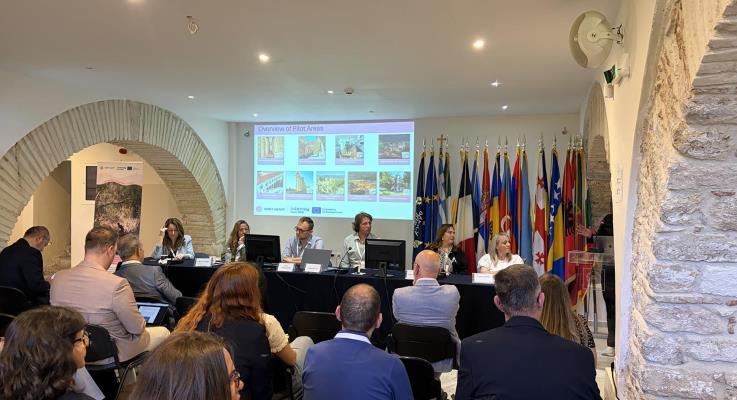
Limassol’s commitment to sustainable tourism is evident in its recent focus on climate adaptation, showcased through the HERIT ADAPT Interreg EURO-Med project. This initiative was highlighted at a European conference in Athens, where the Limassol regional tourism board, Etap Limassol, presented the results of nine innovative pilot actions aimed at mitigating the impacts of climate change on cultural heritage sites.
Sustainable tourism: Getting There
Reaching Limassol is a breeze, whether you’re arriving by air or sea. The city is served by Larnaca International Airport, about 65 kilometres away, which offers numerous international flights. From the airport, you can opt for a rental car, shuttle service, or taxi to reach your destination. Alternatively, if you’re sailing in, Limassol’s bustling port welcomes numerous cruise ships and yachts.
Best Time to Go
The ideal time to visit Limassol is during the spring (April to June) and autumn (September to November) months when the weather is pleasantly warm and the tourist crowds are thinner. During these seasons, you can enjoy outdoor activities and local festivals without the sweltering summer heat.
Understanding the HERIT ADAPT Project
The HERIT ADAPT project represents a collaborative effort among eight Mediterranean organisations, aimed at fostering sustainable tourism practices. This initiative is crucial as it addresses the urgent need for cultural heritage sites to adapt to the realities of climate change. The pilot actions presented at the conference demonstrate innovative strategies that combine technology with sustainability.
Innovative Strategies for Sustainability
- 3D Modelling: Enhances understanding of historical sites, allowing for virtual preservation.
- Extended Reality Technologies: Create immersive experiences that draw visitors into the cultural narratives of the region.
- IoT-based Climate Monitoring: Helps manage and protect heritage sites by providing real-time data on environmental conditions.
- Artificial Intelligence Tools: Aid in promoting cultural heritage, making it more accessible to diverse audiences.
These technologies not only enrich the visitor experience but also provide valuable tools for conservation and climate resilience.
Budget Tips for Travellers
While Limassol offers luxurious experiences, it is possible to explore the city on a budget. Here are some tips to make the most of your visit:
- Public Transport: Utilising the local bus network is an economical way to navigate the city and surrounding areas.
- Local Markets: Sample authentic Cypriot cuisine at local markets rather than high-end restaurants.
- Free Attractions: Explore the beautiful promenade, public beaches, and several historic sites that do not charge entry fees.
What to See in Limassol
Limassol is rich in history and culture, offering a variety of attractions that showcase its unique heritage:
- Limassol Castle: A historic landmark that dates back to the medieval period, now housing a museum.
- Archaeological Museum: Features artefacts from ancient Cyprus, providing insight into the island’s past.
- Kolossi Castle: A short drive from the city, this medieval castle is steeped in history and offers stunning views from its towers.
- Wine Villages: Explore the nearby wine-producing villages, where you can taste local wines and learn about traditional winemaking.
Local Etiquette and Cultural Insights
When visiting Limassol, it’s essential to respect local customs and etiquette. Cypriots are known for their hospitality, and a warm greeting will go a long way. Here are a few pointers:
- Greetings: A handshake is customary when meeting someone for the first time, while close friends often greet with a kiss on both cheeks.
- Dining Etiquette: If invited to a local home, it’s polite to bring a small gift, such as sweets or flowers.
- Dress Code: While casual attire is common, dress modestly when visiting religious sites.
Looking to the Future
Etap Limassol’s involvement in the HERIT ADAPT project reflects a broader commitment to sustainable tourism practices that can adapt to the evolving challenges posed by climate change. The conference in Athens served as a platform for sharing innovative ideas and fostering collaboration across Mediterranean regions, highlighting the importance of resilience in cultural heritage management.
As Limassol continues to embrace these sustainable practices, it not only safeguards its rich cultural heritage but also enhances the visitor experience, ensuring that future generations can enjoy the beauty and history of this vibrant city.