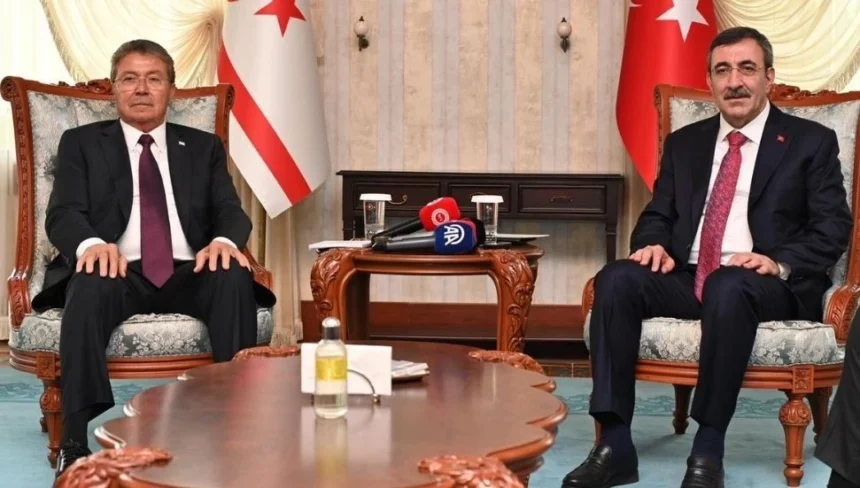
energy pipeline — energy pipeline — Turkey’s energy landscape is set for a significant transformation as plans for a gas pipeline and electricity interconnection with the northern administration gain momentum. This revival of energy projects follows high-profile discussions in Ankara, where Turkish Vice President Cevdet Yilmaz, Energy Minister Alparslan Bayraktar, and the north’s ‘prime minister’ Unal Ustel convened to lay the groundwork for enhanced energy cooperation.
The focus of these discussions centred on bolstering the energy infrastructure in the north. Key initiatives include mobile power plants, maintenance of existing grids, and comprehensive technical studies on gas transport. Officials have confirmed that feasibility work on the electricity cable is complete, with the gas pipeline project progressing towards the investment phase.
Yilmaz emphasised that these efforts are crucial for strengthening energy security in the north, aiming to enhance electricity generation capacity and advance natural gas supply. The Turkish government has already deployed several mobile power plants in recent years and continues to support maintenance and fuel supply through bilateral agreements.
Ustel characterised the pipeline project as a “project of the century,” highlighting its potential to initially serve electricity generation before expanding into broader energy applications. He expressed confidence that existing political challenges could be navigated successfully, noting that the groundwork laid by previous projects, such as the undersea cable connecting Anatolia to Kyrenia, paves the way for future developments.
Preparations for an ‘intergovernmental’ agreement are underway, aiming to transition the gas project into the investment phase once technical studies are finalised. The overarching goal is clear: lower energy costs, enhanced supply reliability, and a modernised energy infrastructure in the north.
As Yilmaz pointed out, while the electricity cable project faces certain technical hurdles due to EU regulations, there are no similar constraints affecting the natural gas initiative. The latter is described as primarily dependent on decisions made by Turkey and the north, further solidifying Ankara’s influence in the energy planning landscape.
The narrative of energy cooperation is deeply intertwined with regional stability and economic growth, with Turkish officials asserting that any resolution requires recognition of “sovereign equality” and “equal international status.” Ustel reiterated the perspective that the island comprises “two peoples and two states,” underscoring the necessity of acknowledging this framework for a lasting settlement.
Looking ahead, a visit by energy authorities to the north is planned for June, aimed at advancing discussions on implementation. The developments signal a proactive approach to energy security and development, with Turkish officials optimistic about the potential for collaboration to foster stability in the region.