Cyprus airports are notably absent from eligibility for state aid under the newly proposed EU regulations on air transport. The European Commission has recently initiated a public consultation regarding the revision of the Guidelines on State aid for the air transport sector, aiming to adapt to the realities of the post-pandemic market.
Understanding the New State Aid Framework
The revised framework, set to replace the 2014 standards, is designed to modernise how governments can provide support to airports and airlines, in alignment with the European Green Deal’s decarbonisation goals. Under the new rules, operating aid—which covers daily operational costs such as staffing and maintenance—will now be limited to airports that handle fewer than one million passengers annually.
Eligibility Criteria for State Aid
The European Commission has established that airports exceeding this threshold should be self-sufficient, although a five-year transitional period is proposed for those with passenger numbers between 500,000 and one million. This period would allow these airports to adjust and recover from the financial strains caused by recent energy crises and the pandemic.
For smaller airports with fewer than 500,000 passengers, the rules are more favourable. These hubs will qualify for a block exemption, allowing them to receive aid without prior notification to the Commission, as their influence on EU competition is considered minimal.
The Case of Cyprus Airports
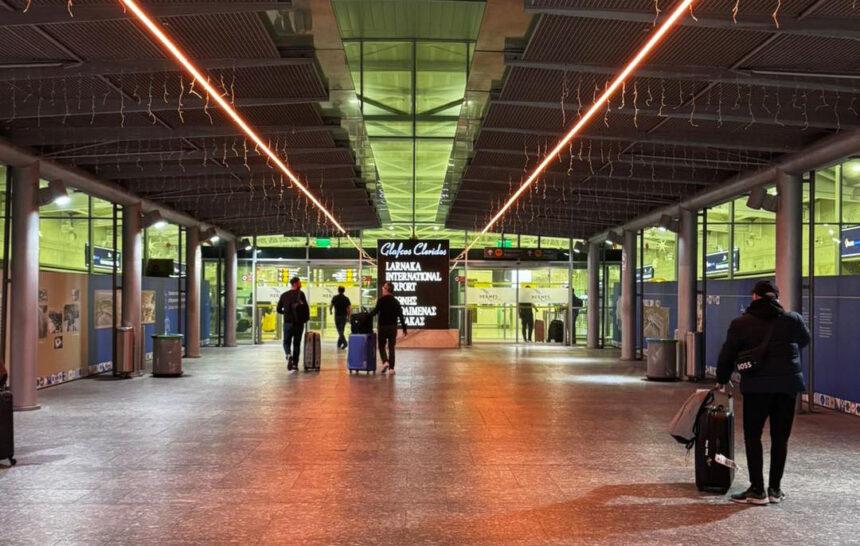
In a significant update, the proposed subsidies will not extend to the primary airports in the Republic of Cyprus, namely Larnaca and Paphos. Both airports, which together serviced 13.7 million passengers last year, significantly exceed the new passenger thresholds. Larnaca alone accounted for approximately 9.9 million passengers, while Paphos welcomed about 3.8 million.
Investment Aid and Infrastructure Projects
Investment aid for infrastructure projects will now be restricted to airports with up to three million yearly passengers, a decrease from the previous cap of five million. This shift emphasises the European Commission’s focus on ensuring that any funding for capacity expansion is tightly linked to environmental standards. Airports receiving such aid must demonstrate a commitment to contributing towards the EU’s ambitious targets of reducing transport emissions by 90% by 2050.
Changes to Start-up Aid and Market Dynamics
Another notable change is the complete abolition of start-up aid for new routes. The Commission believes that the air transport market has matured sufficiently, allowing airlines to take on the commercial risks associated with launching new services. Historically, this type of aid was infrequently utilised, and the expectation is now that air carriers can handle the challenges of opening new routes in an increasingly competitive market.
Assessing the Impact of State Aid
The guidelines will also evaluate the potential distortive effects of state aid across a broader geographic area, enhancing the assessment process’s efficiency. The aim is to create a more transparent environment for private investors by clearly outlining the boundaries of public intervention in the aviation sector.
Supporting the Transition to Sustainability
To assist the industry in navigating these new regulations, a dedicated guidance paper will soon be published. This document will outline how airlines can access funding through the Climate, Energy and Environmental Aid Guidelines, facilitating the transition towards a more sustainable aviation sector.
Feedback and Future Directions
The European Commission is actively inviting feedback from interested parties until June 11, 2026, before finalising the new rules alongside a new General Block Exemption Regulation (GBER) later this year. This consultation period represents an opportunity for stakeholders to voice their opinions and shape the future of air transport within the EU.
These proposed revisions follow a 2020 Fitness Check and a Call for Evidence in 2024, which highlighted the ongoing reliance of regional airports on public funds despite changing market conditions. By implementing clearer guidelines, the Commission hopes to foster a more balanced and competitive landscape for the aviation industry across Europe.