A Cyprus-based research-to-market team is making significant strides with its innovative medical imaging system known as the M³Phantom, or Modular Motion Medical Phantom. This advanced technology aims to revolutionise the field of medical imaging by simulating real patient movement and disease conditions, enhancing diagnostic accuracy and clinical decision-making.

Photo: cyprus-mail.com
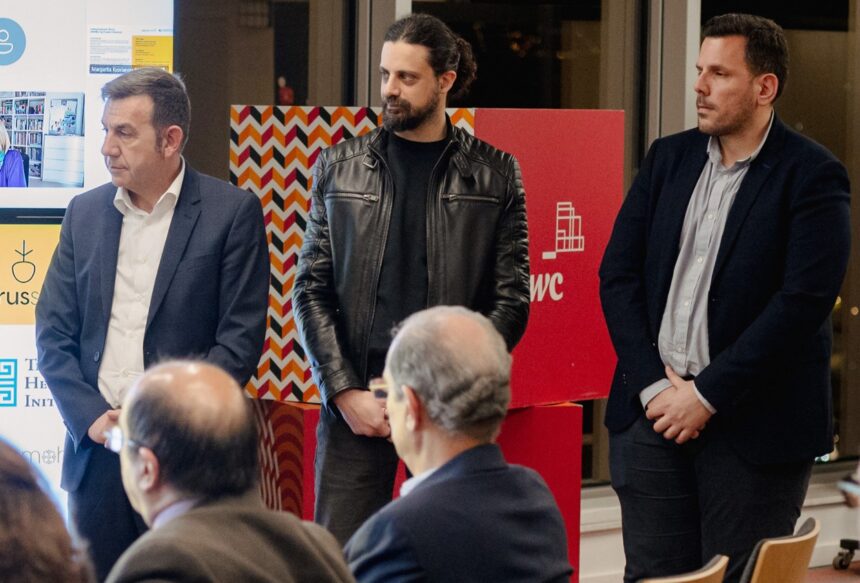
The project is spearheaded by a multidisciplinary team led by professor Yiannis Parpottas, who serves as chief executive officer. With expertise spanning medical imaging, engineering, intellectual property, operations, and commercialisation strategy, the team is well-equipped to bring this pioneering product to market.
Dr George Charitou, the chief technology officer, plays a crucial role in overseeing technical upgrades and maintaining operations in major hospitals across Cyprus. Alongside him, Panagiotis Mousikos, chief commercialisation and IP officer, is focused on developing a robust commercialisation strategy, while Dr Athanasia Tzortzi, chief operations officer, manages communication and marketing initiatives. Professor Antonis Lontos contributes his manufacturing engineering expertise to strengthen the project’s engineering dimension.
The M³Phantom system is designed to replicate realistic physiological motion, a feature that enables more effective testing environments for radiology and nuclear medicine systems. This innovation aims to improve imaging quality, ultimately boosting the confidence of healthcare professionals in their diagnostic capabilities.
In the past year, the team has achieved three key milestones that underline their progress. The initial milestone involved collaborating with international business and intellectual property mentors to establish a structured commercialisation and protection strategy. The second milestone saw the team validating their approach through interviews and testimonials from renowned nuclear medicine and radiology experts. Lastly, significant technical upgrades have been made to the M³Phantom system, enhancing its functionality and preparing it for market transition.
The next 12 months are critical for the team as they aim to secure a licensing agreement with medical imaging manufacturers. To accomplish this, they plan to complete final technical upgrades that will elevate their technology readiness level beyond seven, alongside further development of the system.
Intellectual property protection is also a priority, with plans for provisional patent filing and comprehensive patent drafting to safeguard innovations. Engagement with potential licensees is being structured to facilitate this process. Current support for the project is provided by the Cyprus Seeds programme, the Frederick Research Centre, and a proposed intellectual property voucher under the national knowledge transfer framework.
The M³Phantom targets the global medical imaging phantom market, which is estimated to be worth around $250 million annually. It aims to serve established manufacturers and major imaging companies that cater to nuclear medicine and radiology departments, medical and biomedical schools, and research laboratories worldwide. With approximately 155,000 hospitals and more than 194,000 imaging systems globally, the potential for the M³Phantom is substantial.
The team highlighted that over 400 million imaging examinations are performed each year, and there are more than 5,000 medical and biomedical schools globally. Even minor enhancements in motion-aware imaging could significantly improve diagnostic confidence, training quality, and imaging protocols.
As the project continues to develop, the team projects a multi-billion euro cumulative revenue opportunity within less than a decade after market entry. They believe that with broader adoption across manufacturers and institutions, the commercial potential could far exceed conservative estimates.
The mentorship and guidance from Cyprus Seeds have been invaluable, helping the team transition from a research-driven mindset to one that prioritises market demands. They noted, “Cyprus Seeds helped us move from a purely research driven mindset to a market oriented approach where customer needs, impact, scalability and intellectual property protection are central to every decision.” This shift has fundamentally altered their design and development priorities, aligning technical advancements with commercial requirements.
As the project moves from the late prototype stage towards full market readiness, the coming 12 to 24 months will focus on accelerating technological upgrades, strengthening intellectual property protections, and engaging with potential industry partners. The team anticipates that additional support will help streamline the path to market, enhance negotiations with manufacturers, and facilitate technology transfer to production lines.
Collaboration with industry product mentors will be essential during the technology readiness level eight phase to ensure that final design decisions meet customer expectations, manufacturability, and market adoption requirements.