culled sheep — The authorities have firmly denied allegations regarding the improper disposal of culled sheep due to foot and mouth disease (FMD) in Athienou. This follows a report by the Cyprus Mail that raised concerns about the handling of animal carcasses in the area.
According to the Veterinary Services, “under no circumstances” are animals from infected farms disposed of in an uncontrolled manner or outside designated and licensed burial sites. The department reassured the public that the management of carcasses strictly adheres to biosecurity protocols and complies with relevant EU and national regulations.
Culled sheep: Clarifying the Collection Process
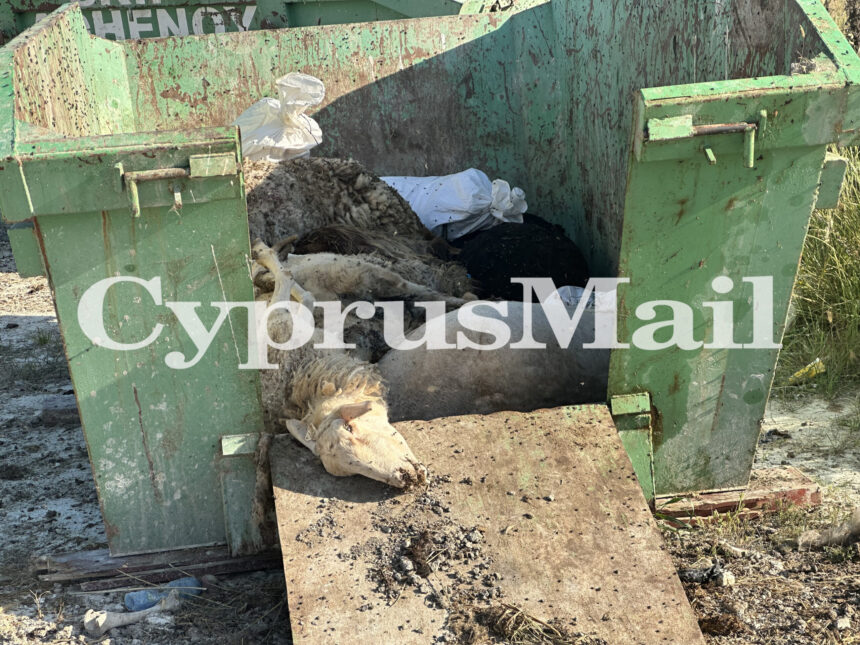
Reports emerged highlighting sightings of dead sheep left in skips within the industrial zone of Athienou. The Veterinary Services clarified that carcasses from livestock areas in Aradippou, Troulloi, Athienou, and Ormidia are temporarily gathered at designated locations outside farming zones before being collected by a contracted service.
This collection system was implemented at the request of organised groups of farmers in the affected areas. The aim is to minimise the risk of disease spread by preventing collection vehicles from entering livestock units. The choice of collection points was made through consultation between farmers and local authorities, without direct involvement from the Veterinary Services.
Addressing Public Concerns
In response to the circulating images depicting the carcasses, the agriculture ministry emphasised that “isolated images do not necessarily reflect the full process.” They assured the public that the management procedures for carcasses include the collection, transport, and final disposal, all following approved protocols. This includes sanitary burial at properly prepared sites, the use of approved disinfectants, and strict access control measures to ensure biosecurity.
Voices from the Farming Community
Giorgos Parpas, head of the cattle farmers’ association, commented on the situation, stating that culled animals are placed in skips at designated points prior to incineration. He noted that under normal circumstances, animals should not remain in skips for more than one to two hours before collection. However, he acknowledged that delays can occur, sometimes extending into the following day, leaving the culled animals exposed.
Sotiris Kadis, head of the sheep farmers’ association, added that while the current situation has improved compared to earlier stages of the outbreak—when carcasses were reportedly left outside farms—there is still room for enhancement in the disposal process.
Commitment to Biosecurity
The Veterinary Services reiterated their ongoing coordination with all stakeholders to ensure effective implementation of health measures aimed at limiting the spread of FMD. They stressed the importance of strict adherence to biosecurity measures by all parties involved, highlighting its critical role in safeguarding livestock, public health, and the agricultural economy.