defence agreement — defence agreement — A Status of Forces Agreement (SOFA) marks a significant development in the defence relationship between Cyprus and France. Amid a shifting geopolitical landscape in the eastern Mediterranean, the agreement reflects Cyprus’ ambitions to leverage its strategic location and European Union membership.
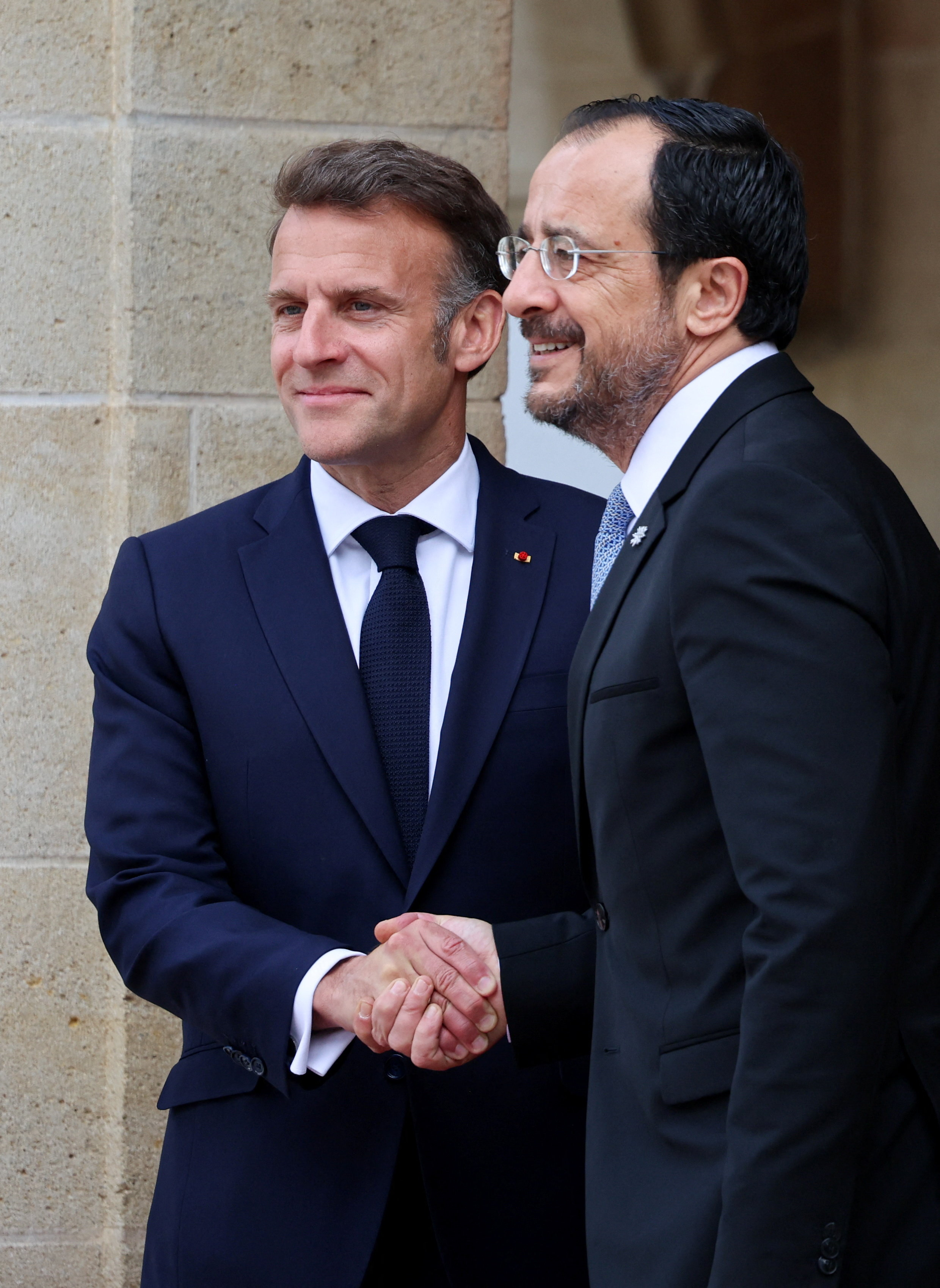
Photo: cyprus-mail.com
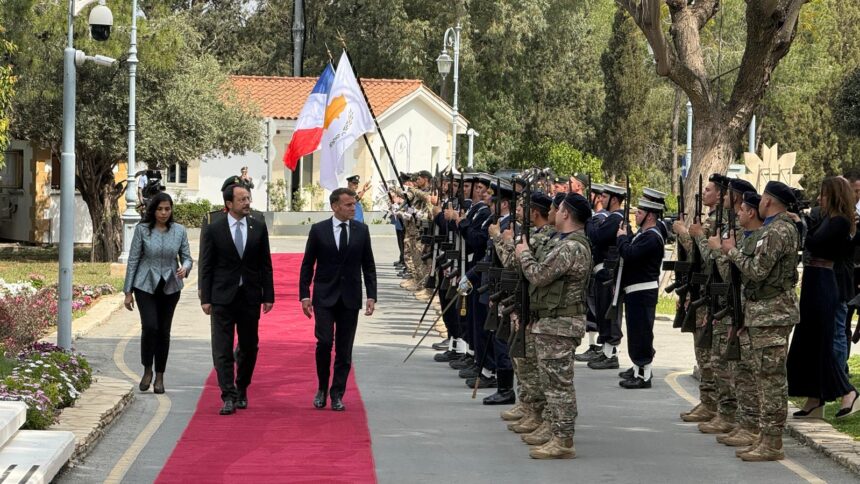
On April 26, President Nikos Christodoulides announced that negotiations with France had progressed into a formal phase, aiming to conclude the SOFA at the ministerial level. Christodoulides emphasised that the arrangement will facilitate the presence of French forces on Cypriot territory for humanitarian purposes, framing it as a step towards a deeper strategic alignment between the two nations.
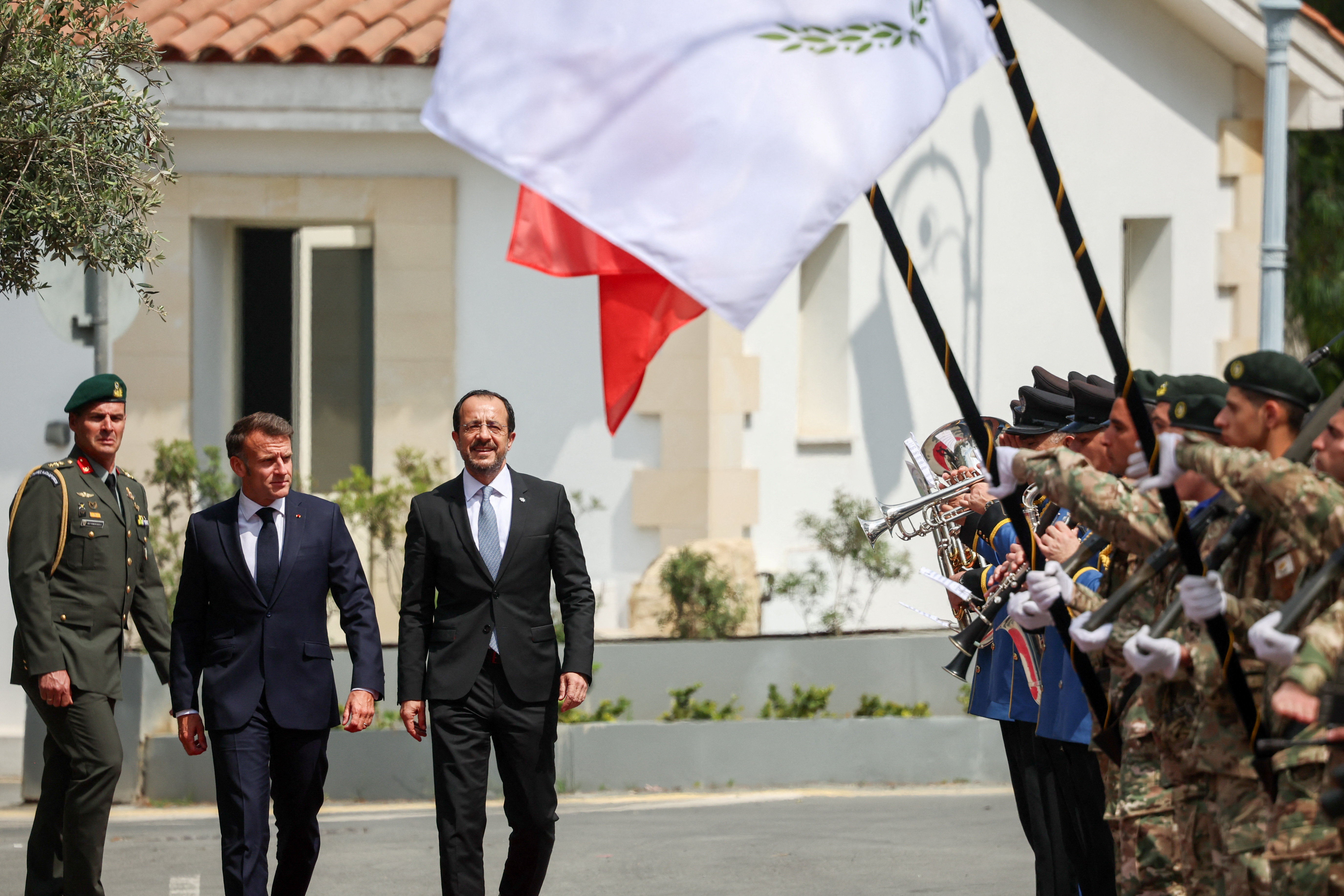
Photo: cyprus-mail.com
The SOFA will outline the legal and operational framework that governs the presence, movement, and activities of French military personnel in Cyprus. This includes specifics on jurisdiction, taxation, customs procedures, and deployment conditions, while ensuring reciprocal arrangements for Cypriot personnel in France. Christodoulides anticipates that the agreement will be finalised by June, coinciding with an informal meeting of EU defence ministers in Nicosia on June 7 and 8.
Veteran diplomat Euripides Evriviades described the SOFA as a culmination of a long process of strengthening security relations between Cyprus and France. He noted that the relationship is not new, but rather an evolution towards a more structured, strategic, and operational collaboration.
Evriviades pointed out that the groundwork for this partnership was laid during the presidency of Tassos Papadopoulos, when Cyprus and France signed a defence cooperation agreement in 2007. That agreement arose from Cyprus’ provision of services to French and multinational forces during the Lebanese crisis in 2006. He explained that these developments reflect Cyprus’ broader diplomatic orientation beyond its traditional alliances, enhancing its role within the European security architecture.
The recent Strategic Partnership Agreement signed in December 2022 between Christodoulides and French President Emmanuel Macron formalises cooperation across various sectors, including defence and security. The forthcoming SOFA will establish a more defined legal and administrative framework for French military presence in Cyprus, enhancing the island’s security posture and defensive capabilities.
This agreement also strengthens Cyprus’ interoperability with France, a key military power in Europe and a permanent member of the UN Security Council. For Cyprus, aligning with France enhances its strategic utility within the emerging geopolitical security framework of Europe, providing a platform for cooperation in a region marked by instability and competition.
France views Cyprus as a stable EU-based platform in the eastern Mediterranean, offering access to critical regions and contributing to collective security. The evolving security landscape necessitates reliable partnerships, and Cyprus is positioned to play a crucial role in this context.
Moreover, the SOFA aligns with Article 42.7 of the Treaty on European Union, which outlines mutual defence obligations among EU member states. Although not a formal defence guarantee akin to NATO commitments, the SOFA illustrates a growing European security framework where Cyprus is increasingly integrated as a key player.
However, the agreement has raised concerns in Ankara, with Turkish officials warning that the deployment of French troops could destabilise the existing security balance on the island. Turkey’s Defence Ministry has expressed apprehensions that such moves might heighten tensions and threaten regional stability.
The backdrop of these developments includes Turkey’s recent military activities and its cooperation with Greece, which has also deepened ties with Israel, further complicating the security dynamics in the region. While the SOFA represents a significant step for Cyprus in enhancing its defence capabilities, it also highlights the delicate balance of power in the eastern Mediterranean, where historical rivalries and contemporary security challenges intersect.