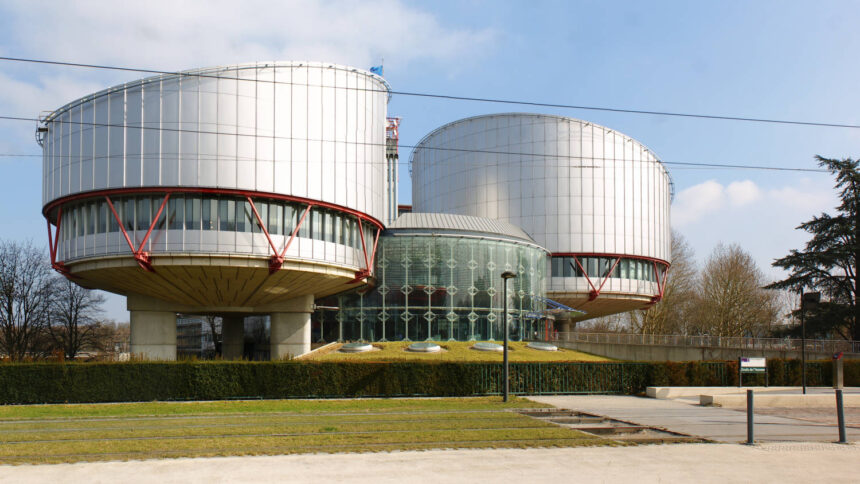
The European Court of Human Rights has ruled that Cyprus violated the property rights of ten nationals by failing to return land expropriated in 1976 for industrial development.
- The European Court of Human Rights has ruled that Cyprus violated the property rights of ten nationals by failing to return land expropriated in 1976 for industrial development.
This significant ruling concerns a 7,024 square metre plot located in the Agios Athanasios area of Limassol, which has remained largely unused for decades. The court found that the Cypriot authorities neglected to act on the claimants’ request made in 2008, seeking restitution of their land.
Property rights: Long Wait for Justice
The claimants, or their ancestors, owned this land that was intended for development but was instead left idle. While part of the plot was used for road construction, the majority was not utilised as promised under the industrial zone plans. The court noted that negotiations for construction projects in the 1980s did not materialise.
Legal Proceedings and Court Findings
In its decision regarding the appeal from Nicolaou and Others against Cyprus, the ECHR highlighted that the case hinged on the authorities’ refusal to return the expropriated land to its original owners or their legal successors. The court ruled that after 32 years without restitution, the claimants had a valid argument under Article 1, Protocol 1 of the European Convention on Human Rights, which protects property rights.
Financial Implications for Cyprus
The court awarded a total of €17,000 to the claimants for non-pecuniary damage and legal costs, while postponing a decision on further pecuniary damages. The ruling places an obligation on the Republic of Cyprus to return the property, underscoring the importance of respecting property rights.
Ongoing Impact of Expropriation
Despite the court’s decision, the Cypriot authorities previously informed the claimants that the land would remain designated as an ‘open space’, suggesting that plans for the industrial zone were not entirely abandoned. This raises questions about future developments and the realisation of the rights granted to property owners.