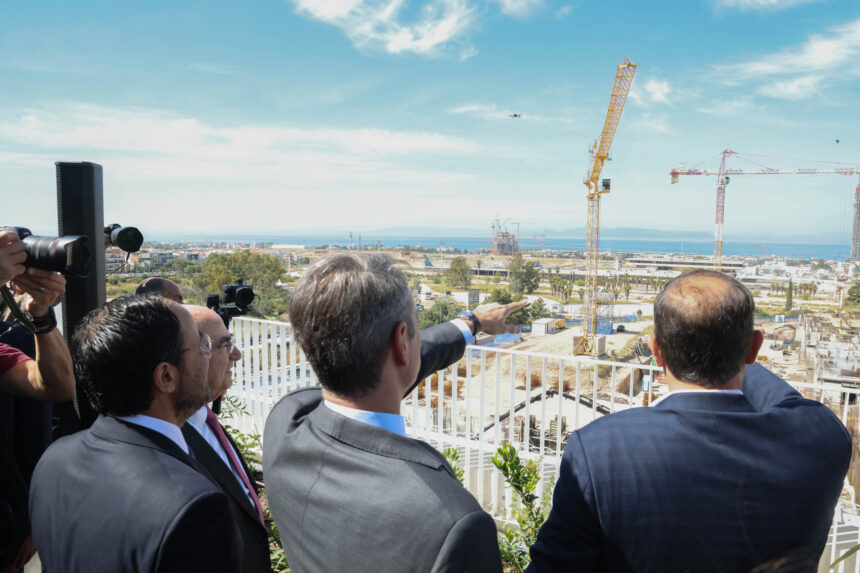
global education — The opening of the University of Nicosia’s campus in Athens marks a significant opportunity for Greece to establish itself as a global education hub. Greek Prime Minister Kyriakos Mitsotakis, alongside Cypriot President Nikos Christodoulides, inaugurated the new site, highlighting its potential to attract international students.
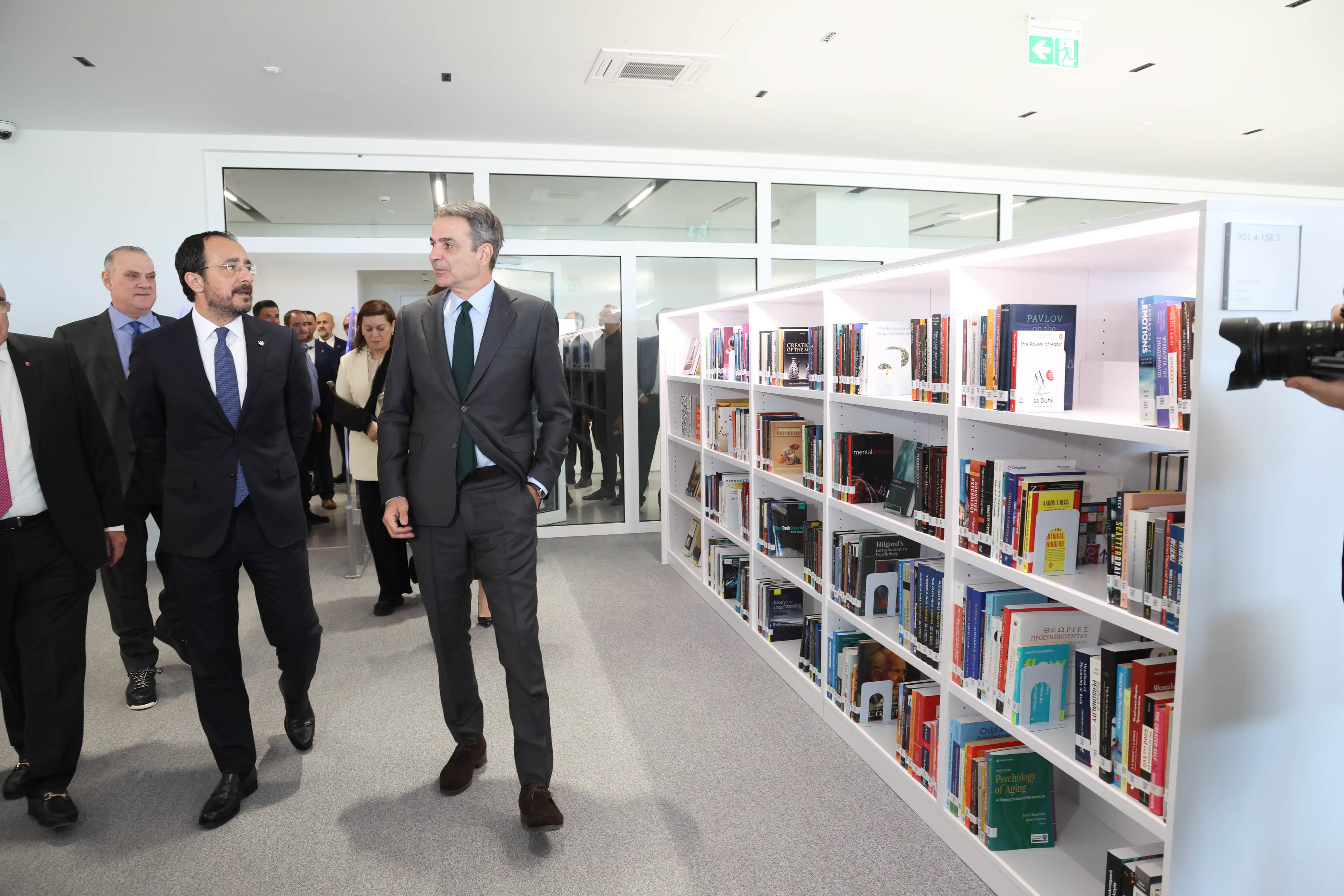
Photo: cyprus-mail.com
- Through these developments, both leaders are paving the way for Greece and Cyprus to enhance their educational landscapes, positioning them as attractive destinations for students around the globe.
Mitsotakis praised his government’s recent decision to legalise private universities in Greece, which he described as a crucial step towards modernising the nation’s educational landscape. He articulated a vision of high-standard educational institutions that are not only well-resourced but also aligned with the evolving demands of the labour market.
In his speech, Mitsotakis noted the changing dynamics of education influenced by advancements in artificial intelligence. He emphasised the necessity for educational frameworks that not only cater to current trends but also anticipate future developments, ensuring that students are equipped for an unpredictable world.
“The arrival of foreign private university campuses in Greece opens up numerous opportunities for our youth,” Mitsotakis stated, suggesting that this initiative will allow students who may not have the means to study abroad to access quality education locally.
His ambition extends beyond the Balkans and Europe, as he envisions Greece attracting students from regions such as the Middle East, India, the United States, and Africa. Mitsotakis expressed hope that amending Article 16 of Greece’s constitution—currently protecting free education—could facilitate this transition, making room for institutional support of such academic initiatives.
“We are an exception in Europe with our stringent constitutional restrictions on higher education services,” he remarked, urging a reconsideration of these limitations to eliminate doubts surrounding the operation of private institutions.
President Christodoulides echoed these sentiments, recognising Cyprus’ educational sector as a vital part of its economy, with promising prospects for growth. He highlighted the University of Nicosia’s diverse student body, comprising approximately 14,000 individuals from 100 different countries, as a testament to the institution’s international appeal.
“We are proud of the University of Nicosia, and soon, we aim to see it in other European capitals,” Christodoulides said, reinforcing the collaboration between Cyprus and Greece. He also mentioned ongoing efforts to attract more students through high-quality educational offerings, a commitment that underscores the desire for excellence over mere quantity.
In his discussion, Christodoulides noted legislation allowing foreign universities to establish campuses in Cyprus, referencing the recent opening of the University of Athens’ campus in Nicosia. This partnership, he believes, strengthens the ties between the two nations, fostering a shared commitment to educational advancement.
Through these developments, both leaders are paving the way for Greece and Cyprus to enhance their educational landscapes, positioning them as attractive destinations for students around the globe.