Two cases of foot and mouth disease have been reported outside the Larnaca containment zone, now impacting livestock farming units in Dhali and Yeri in the Nicosia district. This brings the total number of affected units to 41, raising significant concerns among local farmers and veterinary authorities.
Foot and: New Zones Established to Combat Spread
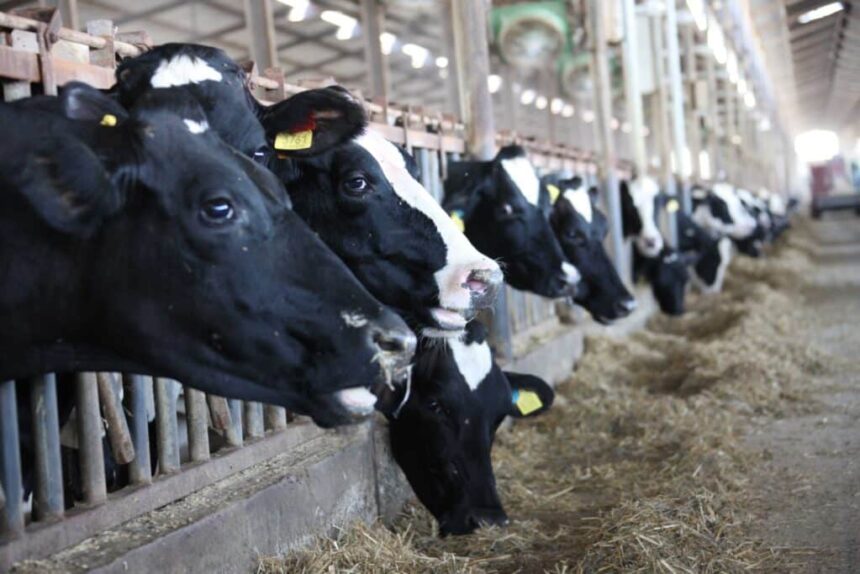
The veterinary services have created two new surveillance zones: a 3km zone in Yeri and a 10km zone in Dhali. The outbreak in Dhali occurred at a large sheep and goat farm owned by a livestock trader operating throughout Cyprus, while the case in Yeri involved a cattle farm with approximately 70 cows.
Containment Efforts Underway
Veterinary services spokeswoman Soteria Georgiades revealed that the infections were linked to the transfer of livestock from neighbouring farms. To control the situation, animals from 16 infected units have already been culled. Nationwide, over 76% of cattle and more than 42% of sheep and goats have been vaccinated, with a vaccine for swine expected to arrive by early April.
Impact on the Dairy Industry
The new cases were detected in the Idalion livestock area, a critical centre for the island’s dairy industry. Concerns have risen regarding potential impacts on milk production and halloumi supply, vital products for Cyprus. The European Commission has mandated restrictions on the export and movement of live animals and fresh animal products across Cyprus until at least May. However, processed dairy products like halloumi remain exempt under strict health conditions, as scientific evidence suggests the virus is sensitive to heat.
Emergency Measures and Financial Support
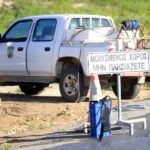
Veterinary authorities have declared the affected areas in a state of emergency and are setting up control and disinfection checkpoints to limit further transmission. So far, around 15,000 animals have been culled as part of the containment measures, with another 15,000 expected to follow. In response to the crisis, the government is preparing financial support for affected producers, with the agriculture minister, Maria Panayiotou, announcing that the first advance compensation payments of €50,000 will begin next week.
Expert Opinions on the Outbreak
Livestock farmers in the Idalion area have voiced strong concerns about the outbreak’s implications, particularly regarding the presence of the disease in the north. Epidemiologist Michalis Voniatis highlighted that while foot and mouth disease does not affect humans, strict containment measures are essential for public health and to maintain Cyprus within the European single market. He warned that viruses can mutate, and if the disease infects pigs, it could lead to mutations that might affect humans.
Continuous Challenges Ahead
Nikos Papakyriakou, president of the cattle farmers’ association, emphasised that while European protocols require the culling of infected animals, the ongoing presence of the disease in the northern regions poses a significant challenge to recovery efforts. He expressed concern that even with replacement animals from Europe, the disease’s persistence could jeopardise livestock health in the area.