Tesla can soon start supplying British homes with electricity after it was granted a licence this week, introducing a new player into the UK energy market amidst rising consumer concerns over soaring bills.
The UK’s energy regulator, Ofgem, announced that Tesla Energy Ventures, a subsidiary of the company founded by Elon Musk, has been approved as an electricity supplier. This decision follows a lengthy application process that began in July 2023.
With this new licence, the Texas-based firm is poised to expand its operations in Britain, where it aims to leverage its solar energy and battery storage technologies. Tesla plans to compete directly with established household suppliers such as Octopus Energy, British Gas, and EDF.
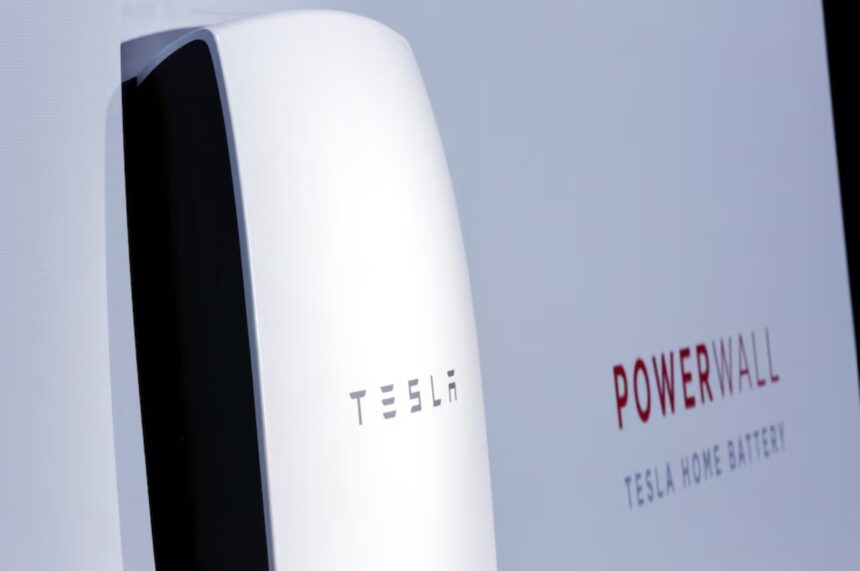
Tesla Motors Limited, another of its subsidiaries, already holds an electricity generation licence in the UK. Many Tesla electric vehicle owners are currently utilising the Powerwall home battery system, which allows them to store solar energy. This energy can also be fed back into the grid, creating a potential revenue stream for users.
The backdrop for Tesla’s entry into the market is a significant rise in energy prices, exacerbated by geopolitical tensions, including the ongoing conflict in Iran. British consumers are increasingly worried about their energy bills, particularly as most households are shielded from immediate price hikes until July 2024 due to regulated tariffs. However, if the conflict continues, the government may face mounting pressure to provide further support for consumers.
Despite its innovative offerings, Tesla has faced challenges in the UK vehicle market, where sales have dropped by 8.9 per cent year-on-year in 2025. This decline can be attributed to intensified competition from more affordable Chinese brands and a backlash against Musk’s political stance.