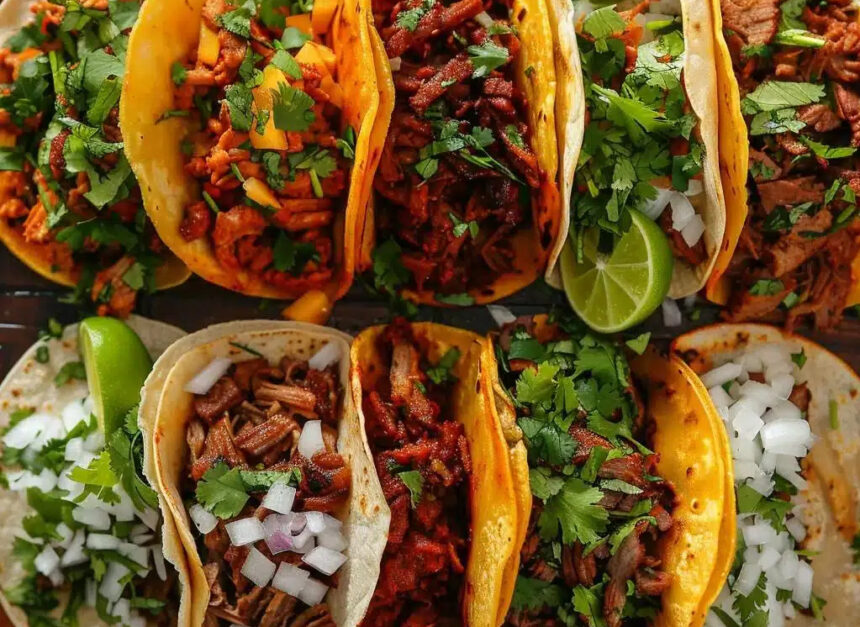
Tacos are not just a beloved dish; they represent a fascinating chapter in the story of Mexican culinary heritage, tracing their roots back to pre-Hispanic Mesoamerica. Corn tortillas, a staple in indigenous diets, were originally designed to serve as edible utensils, wrapping various fillings that provided both nourishment and practicality.
Historical Origins of Tacos
The earliest forms of tacos, as suggested by archaeological findings and historical records, were simple creations. Indigenous people used soft tortillas to encase small portions of fish, beans, or even insects, showcasing the resourcefulness of cultures that thrived in harmony with their environment. This early use of tacos as utensils not only highlights their functional aspect but also illustrates how food can serve multiple purposes in daily life.
Culinary Transformation Through Colonisation
The arrival of Europeans marked a significant turning point in the evolution of tacos. With the Spanish conquest, new ingredients such as beef, pork, and cheese began to infiltrate indigenous cooking traditions. This integration led to a gradual transformation of the taco, reshaping its identity and expanding its flavour profile.
Tacos in Mexican Street Food Culture
Over the centuries, tacos have become an integral part of Mexican street food culture, embodying the principles of accessibility, flavour, and regional diversity. By the nineteenth and twentieth centuries, tacos had established themselves as an everyday food consumed across various social classes, transcending geographic and economic barriers. From rural villages to bustling urban centres, tacos became a common denominator in the Mexican diet.
The Cultural Significance of Tacos
Beyond their nutritional value, tacos represent communal eating and a fusion of indigenous and colonial culinary influences. They serve as a symbol of Mexico’s rich cultural tapestry, illustrating how food can encapsulate history, identity, and social cohesion.
Modern Innovations and Regional Variations
The evolution of the taco has been remarkable, particularly in recent times. Urbanisation and globalisation have introduced new ingredients, cooking techniques, and innovative interpretations. While traditional street vendors continue to serve tacos made with fresh, locally sourced ingredients cooked on flat griddles or charcoal spits, contemporary restaurants are experimenting with gourmet fillings and artistic presentations.
Regional Specialties Across Mexico
Regional variations of tacos are abundant and reflect the rich diversity of Mexican geography and culture. In Mexico City, the iconic tacos al pastor, inspired by Lebanese shawarma, feature marinated pork cooked on a vertical spit and are often accompanied by pineapple. This dish exemplifies the cultural exchanges that have shaped Mexican cuisine.
In the northern regions, beef takes centre stage, frequently grilled and served in flour tortillas, a nod to the cattle farming traditions that prevail there. Meanwhile, the Yucatán Peninsula is famous for its cochinita pibil, a slow-cooked pork dish infused with achiote, while Baja California has popularised fish tacos, highlighting the region’s coastal abundance with crispy textures and fresh salsas.
Tacos: A Culinary Experience Beyond Borders
Tacos are enjoyed year-round, but they hold a special significance in evening street food culture. As night falls, markets and stalls come alive with smoke, enticing aromas, and lively conversation, turning tacos into an experience that goes beyond mere consumption. The adaptability of tacos also makes them a favourite at festivals and family gatherings, where they are assembled fresh and shared communally.
Global Adaptations of Tacos
Interestingly, tacos have found a place in diverse culinary landscapes far beyond Mexico. In Cyprus, for instance, they have gained traction in casual dining settings, often reimagined with local flavours such as halloumi or grilled vegetables. This fusion of culinary traditions underscores how tacos have evolved into a globalised food form that continues to absorb new influences while remaining true to its core identity.
The Future of Tacos
Today, tacos embody a blend of tradition and innovation, connecting local Mexican heritage with a growing global culinary curiosity. They inspire chefs, home cooks, and food enthusiasts across continents, leading to ever-changing interpretations in the culinary world. As tacos evolve, they continue to tell a story of adaptability, creativity, and cultural exchange.