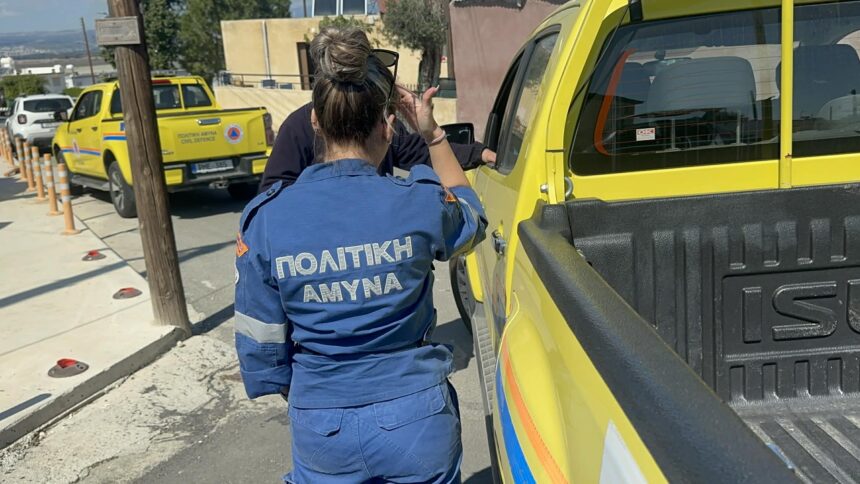
Authorities in Cyprus are undertaking a comprehensive re-evaluation of bomb shelters across the island as part of the Civil Defence’s initiative to ensure public safety in the face of heightened tensions in the Middle East. This move was confirmed on Thursday by Civil Defence spokesperson Panayiotis Liasidis.
Collaborative Inspections Underway
Liasidis stated that the inspections will be conducted in collaboration with various competent services. This process aims to reassess the condition of existing shelters, following evaluations completed in June of the previous year. The recent directive to reassess the shelters comes in light of ongoing conflicts, particularly the US-Israel war on Iran, which has raised concerns about safety and preparedness.
Capacity Concerns Addressed
Addressing the issue of shelter capacity, Interior Minister Constantinos Ioannou acknowledged that the approximately 2,500 shelters currently available in Cyprus can accommodate less than half of the island’s population. In comments made to the Cyprus Mail, Ioannou noted that this situation is not uncommon on a global scale. “Only two countries worldwide can fully accommodate their entire population in shelters, Israel and Switzerland,” he remarked, emphasising that many nations rely on similar civil defence protocols as those being put into place in Cyprus.
Public Preparedness Encouraged
The Civil Defence has urged the public to familiarise themselves with the nearest bomb shelters ahead of any potential emergencies. Citizens can use the SafeCY application or contact the Civil Defence operations control centre at +357 22 403 451 or +357 22 403 452 for assistance.
In preparation for emergencies, the public is advised to assemble an emergency backpack containing essential items such as water, long-lasting food, personal hygiene products, a dust mask, a first aid kit, a flashlight, batteries, a portable charger, a battery-powered radio, a multi-tool, a whistle, necessary medications, important documents, cash, and a change of clothes. Parents are also encouraged to include baby food if required.
Guidelines for Emergency Situations
In the event of an alarm, authorities stress the importance of remaining calm and following official instructions. Individuals indoors without access to a basement should stay inside, away from doors, glass, and windows, while those outside should seek immediate shelter in the nearest building. Existing emergency protocols will be implemented in schools, hospitals, and stadiums, and the public is advised against unnecessary travel to these locations.
Officials recommend staying in underground or indoor spaces until further instructions are provided. Maria Pappa, director of Civil Defence, clarified that shelters are designed primarily for short-term use rather than as long-term accommodations.
Identifying Additional Shelter Spaces
In an effort to bolster shelter availability, authorities are actively identifying additional spaces, particularly in communities lacking proper infrastructure. Community leaders have been encouraged to propose basements or other structures that could function as shelters, with the community of Akki already suggesting three viable sites.
Pappa further emphasised that shelters are one of several protective measures available. Instructions and alternative options have been communicated to those unable to access existing shelters, ensuring that all residents have guidance during emergencies.
Addressing Shelter Accessibility Issues
Many bomb shelters are located on private property, which may lead to them being locked outside of emergencies. However, property owners are legally obligated to open these shelters during alarm situations. To ensure that these facilities remain ready for use, Civil Defence has initiated on-site inspections to confirm their functionality and to make certain that owners understand their responsibilities.
Technical difficulties with the SafeCY app, particularly concerning incorrect shelter locations, are also being rectified. Civil Defence is collaborating with developers to update and verify the data related to available shelters.
Challenges in Establishing New Shelters
Finding suitable new shelter locations poses a challenge, as modern construction rarely incorporates basements. Authorities are currently reviewing legislation to create incentives for the development of new shelters, recognising the necessity of expanding the current infrastructure.
Pappa highlighted the vital role of volunteers in this initiative. Volunteers, who are trained bi-weekly in first aid, population care, communications, and neighbourhood support, play a crucial part in strengthening community resilience. Obligated volunteers, including men who have completed military service and women who have finalised their studies, undergo a two-year training programme aimed at equipping them to provide assistance to families and neighbours during crises.
Future Considerations for Shelter Design
In light of current shelter limitations, Pappa confirmed that existing facilities are not designed to accommodate pets. However, plans are being developed to create spaces where animals can be housed alongside their owners during emergencies. Authorities are also considering ways to assist residents with medical conditions or those needing help reaching shelters.
This proactive approach by the Civil Defence aims to enhance public safety and ensure that all residents are well-prepared for any potential emergencies. By re-evaluating existing shelters and implementing new strategies, the authorities hope to foster a safer environment for all of Cyprus.