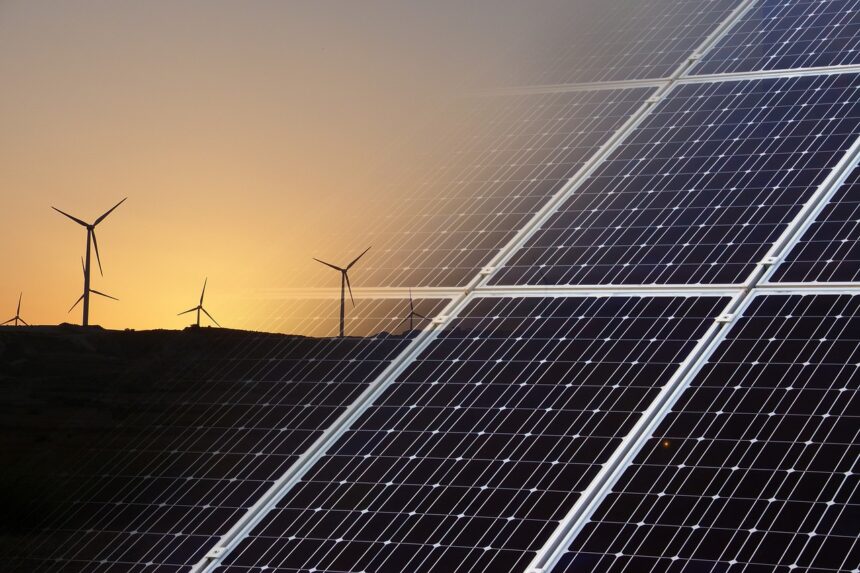
renewables — renewables — Renewable electricity has already delivered substantial economic benefits to Cyprus, saving the country approximately €450 million, according to a new study by Professor Theodoros Zachariadis of the Cyprus Institute. Commissioned by the environmental organisation Terra Cypria, this research highlights the positive returns on investment from the growing adoption of renewable energy sources.
Renewables: Rapid Growth of Solar Energy
The findings challenge the perception that the transition to renewable energy in Cyprus is progressing slowly. Although there are some valid points in this view, the study reveals that the adoption of solar photovoltaics has surged in recent years, more than doubling in just three years. This rapid growth has played a key role in the economic savings observed.
Significant Economic Savings
The research indicates that renewable energy has substantially reduced Cyprus’s reliance on fossil fuel imports, leading to significant economic savings. Additionally, the need for purchasing carbon emission allowances for power plants has decreased, further benefiting the Cypriot economy. The study estimates that by mid-2025, the renewable energy deployed from 2015 to 2024 will yield net benefits of €450 million, based on 2023 prices.
Future Projections and Environmental Benefits
Looking ahead, these economic benefits are expected to continue to grow, with projections estimating a cumulative total of €2.7 billion by 2035. If the costs associated with avoided air pollution are factored in, the net benefits could reach as much as €4.8 billion. The report underscores the financial advantages of solar power, with returns estimated to be ten to seventeen times higher than the costs of implementation.
Economic Benefits Distribution
Professor Zachariadis pointed out that these economic advantages have not been equally distributed across Cypriot society. He stated, “These considerable economic benefits have spread unequally within the Cypriot society. In the absence of real competition in the national electricity market, most citizens and firms have enjoyed much less the advantages of decarbonisation.” He highlighted that the primary beneficiaries have been investors in solar and wind parks, along with about 20 to 25 per cent of households that could afford to install photovoltaic panels.
Challenges Ahead
Despite the positive economic impacts, the study did not assess potential adverse environmental effects associated with renewable energy projects. Zachariadis noted that the installation of solar panels and wind farms could threaten areas of high agricultural value and sensitive ecosystems. However, he asserted that the environmental benefits of improved air quality due to renewable energy resources outweigh the costs of any negative impacts. He emphasised the need for authorities to ensure strict compliance with regulations regarding renewable projects in valuable farmland and protected natural areas.