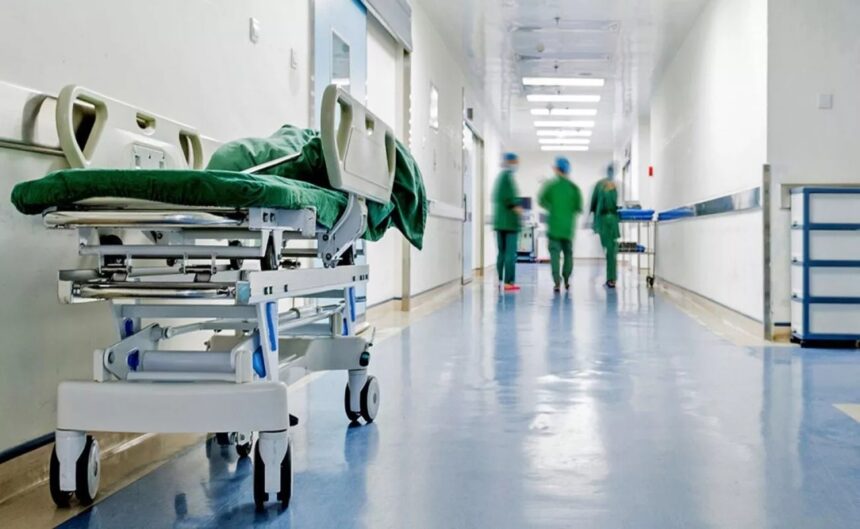
Private hospitals in Cyprus are facing a critical nursing shortage that may lead to the closure of hospital beds. The Pancyprian Association of Private Hospitals, alongside the Cyprus Employers’ and Industrialists’ Federation and the Cyprus Medical Association, has issued a joint ultimatum to the government, demanding immediate action to remedy this escalating crisis.
- Trade union organisations are expected to respond with their own counterarguments to the criticisms raised by hospitals and doctors, as the debate over the nursing shortage continues.
The organisations have warned that without urgent solutions, the capacity of private hospitals to provide timely patient care and surgical procedures will be severely compromised. “For months, the Employers’ and Industrialists’ Federation and the collective bodies of hospitals and doctors have desperately sought from the state effective handling of the most serious problem of nursing shortage in the country’s health system,” they stated in their joint declaration.
Despite the government acknowledging the shortage, which includes a recognised need for more than 500 additional nurses, the organisations criticise the lack of decisive action. They have made numerous representations, both official and unofficial, proposing documented solutions to mitigate the issue. However, the response from the government has been lacklustre.
The issue is compounded by the loss of another year of nursing school graduates. Many non-European graduates are opting to secure employment in other European countries that have proven more effective in addressing staffing shortages. The statement from the organisations also expresses frustration at the government’s apparent susceptibility to narrow trade union interests, which they argue hinders the improvement of healthcare services in Cyprus.
Language barriers present another significant hurdle, as current legislative requirements mandate that all health professionals, including nurses, possess a good command of Greek. This stipulation has prevented many qualified nursing graduates from being employed, even those who have completed their training at Cypriot nursing schools.
The Health Ministry has acknowledged these challenges and has prepared legislative amendments aimed at addressing staffing gaps. However, these amendments are not expected to reach parliament for a vote until after Christmas. In the meantime, the ministry has launched awareness campaigns to attract new nursing students, resulting in an increase in this year’s admissions to local nursing schools. Nevertheless, the shortage of qualified nurses remains a pressing concern.
As a consequence of these challenges, private hospitals are struggling to meet the necessary nursing staff ratios, leading to the threat of bed closures. This situation could result in delays for surgical interventions and the creation of waiting lists for patients seeking care. The organisations have issued a final public appeal to the state, urging immediate and practical solutions to address the nursing gap, warning that the situation could escalate from a problem affecting healthcare providers to one that directly impacts patient care and the overall quality of healthcare in Cyprus.
Trade union organisations are expected to respond with their own counterarguments to the criticisms raised by hospitals and doctors, as the debate over the nursing shortage continues.