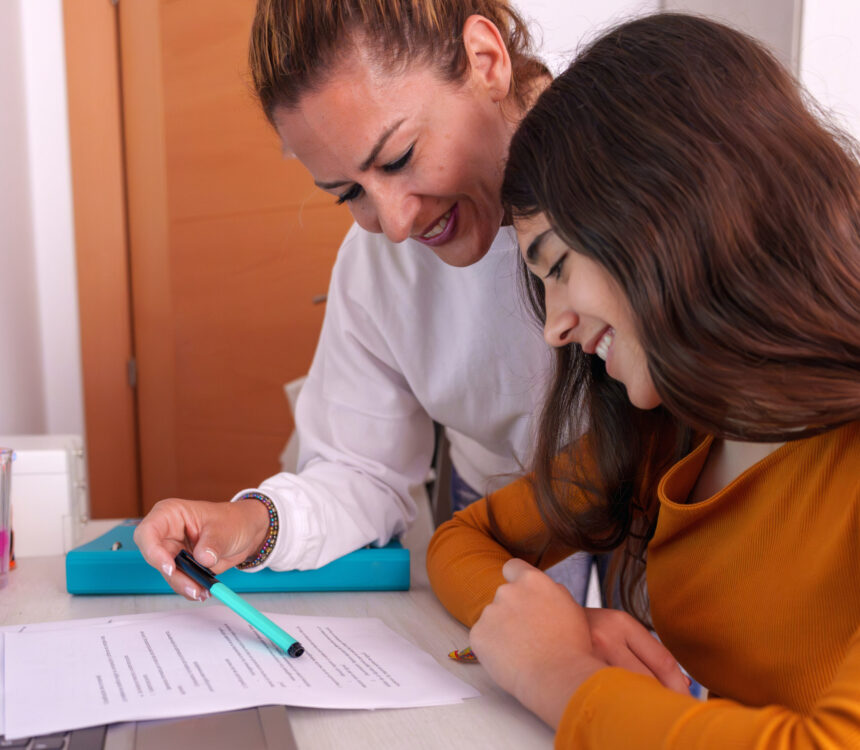
parent involvement — How involved should a parent be in schooling? This question resonates deeply as the conversation around modern parenting evolves amidst cultural shifts. The spectrum of parenting styles ranges from ‘gentle parenting’ to the more laissez-faire ‘Fafo’ approach, leaving many parents navigating their own unique path.

Photo: cyprus-mail.com
In Cyprus, a noticeable change is taking place in how parents view their responsibilities alongside schools. Parents are increasingly recognising their role as equal partners in their children’s education, a perspective that schools are starting to embrace wholeheartedly.
Parent involvement: Engagement Beyond the Classroom
At various schools, parents are welcomed to participate in a range of activities designed to strengthen the connection between home and school. This can manifest through guest lectures featuring professionals, feedback surveys, and parent associations organising community events. Workshops covering topics like parenting skills, technology’s role in education, and mental health support are also on the rise.
Access to digital portals allows parents to monitor their children’s academic progress, fostering a transparent dialogue with teachers. This technological advancement reflects a broader recognition that parental involvement is crucial for educational success.
The Impact of Home Learning Environment
Recent research from Cambridge University highlights the profound influence of the home learning environment on children’s academic outcomes. Astonishingly, 84 per cent of the variation in academic attainment by age 16 can be attributed to individual factors rather than the school itself. The study underscores the importance of family dynamics, socioeconomic status, and the emotional climate at home.
Parental engagement in the home learning environment plays a pivotal role in shaping children’s cognitive and emotional development. The relationships that parents cultivate with their children can bolster their academic success and emotional well-being. For instance, shared reading and play in early childhood are vital for language and literacy development, laying the groundwork for future learning.
Balancing Homework and Emotional Support
Homework often stirs debate among parents regarding its role in education. While some argue it instils good study habits, others feel it merely generates stress. The key lies in understanding that homework should not be a source of contention but rather a tool for fostering independence and responsibility.
As children transition into adolescence, the nature of parental involvement shifts. Instead of doing the homework for them, parents should focus on encouraging their teenagers to set goals and develop resilience in the face of challenges. This approach nurtures a sense of agency and a growth mindset.
Instilling a Growth Mindset
The concept of a growth mindset, popularised by psychologist Carol Dweck, posits that intelligence and abilities are not fixed but can be developed. This philosophy encourages parents to celebrate effort and perseverance, rather than merely praising innate intelligence. Such an approach helps children understand that failure is a natural part of the learning process.
Workshops aimed at educating parents about fostering a growth mindset can be invaluable. By learning new strategies, parents can better support their children’s educational journeys, reinforcing the message that persistence and hard work are keys to success.
Building Strong Parent-Teacher Partnerships
Effective communication between parents and teachers is essential in creating a supportive educational environment. Regular updates on children’s progress, along with discussions about homework expectations, can forge a collaborative approach to education.
As schools continue to evolve in how they engage with parents, the importance of establishing strong, positive interactions cannot be overstated. The Cambridge report’s findings serve as a reminder that supportive parent involvement translates into better academic outcomes, emphasising that it’s not merely about choosing the right school.