solar permit — MPs are probing solar permit hoarding after it was revealed that a significant number of permits issued for renewables have not resulted in actual solar parks. About two-thirds of these permits remain unutilised, with holders reselling them at exorbitant prices.
- In just 2024, the EAC spent €211 million on emissions allowances, with a staggering total expenditure of €955 million from 2020 through 2024. These costs are ultimately passed on to consumers.
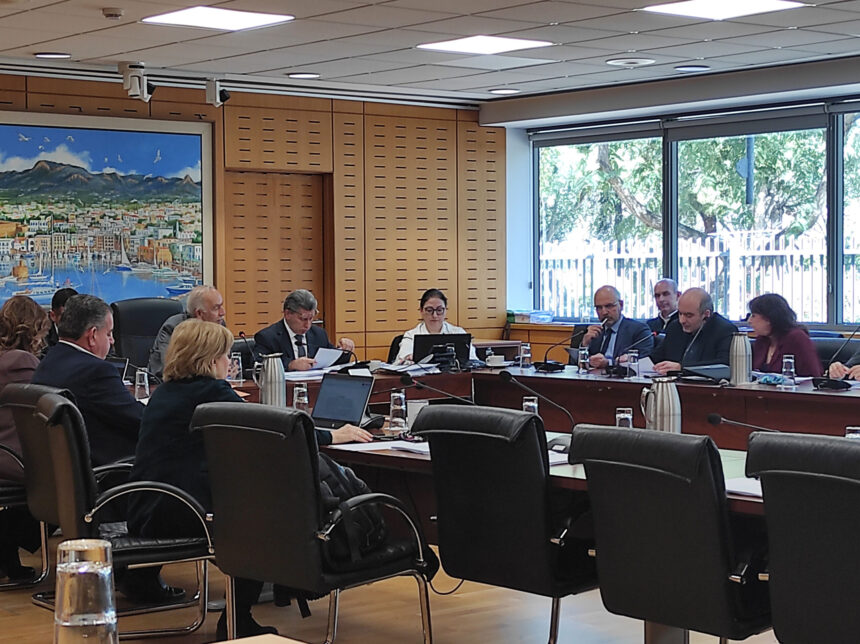
During a parliamentary session on Thursday, lawmakers revisited a report from the Electricity Authority (EAC) based on findings by the Audit Office. The report highlighted that a mere 420 megawatts of capacity from commercial renewable energy sources (RES) have been converted into operational solar parks, despite 1,500 megawatts being approved in commercial permits.
Solar permit: Concentration of Power in Few Hands
One striking revelation was that the majority of the renewable capacity in the private sector is controlled by just five companies. EAC chairman Giorgos Petrou expressed concern over past errors that allowed a “small group of private interests” to monopolise these permits.
At the time of acquisition, the permits were priced at approximately €4,000 per megawatt. However, these companies have since approached the EAC offering to sell their permits for between €250,000 and €300,000 per megawatt, thereby profiting immensely from trading activities.
Unregulated Trading Practices
The auditor-general, Andreas Papaconstantinou, confirmed that the trading of these permits has been largely unregulated, operating on a supply-and-demand basis. “Essentially, businesspeople snapped up the permits, with a view to trading them like commodities…almost like gambling. A few savvy individuals made a killing,” he stated.
This situation has persisted for at least five years, yet the energy regulator, Cera, has not intervened, claiming it lacks jurisdiction over the trading of these permits. Cera officials admitted they were unaware of the current market rates for the permits.
Calls for Regulatory Changes
In light of these findings, members of parliament have urged the auditor-general to delve deeper into the permits issue, scrutinising which officials are responsible for approving them. A group of MPs is actively drafting legislation aimed at regulating the use and trading of RES permits for commercial purposes.
The proposed bill seeks to limit the renewal of these permits to five years. Furthermore, businesses must demonstrate they possess the necessary capital for investment and have applied for a grid connection licence to keep their permits active.
Impact on Consumer Electricity Costs
The conversation in parliament also shifted to the rising electricity costs faced by consumers in Cyprus. An official from the agriculture ministry revealed that fuel costs and greenhouse gas emissions allowances account for approximately 70 per cent of the EAC’s operating expenses.
In just 2024, the EAC spent €211 million on emissions allowances, with a staggering total expenditure of €955 million from 2020 through 2024. These costs are ultimately passed on to consumers.
Adding to the complexities, Papaconstantinou mentioned that the EAC’s flagship power plant in Vasiliko purchased natural gas turbines, which are currently idle as natural gas is yet to be used for generation. Consequently, the less efficient diesel-run turbines at Dhekelia remain in operation, exacerbating the inefficiencies in the energy sector.