This guide explains how to navigate the home buying process in the Republic of Cyprus.
Understanding Construction Costs
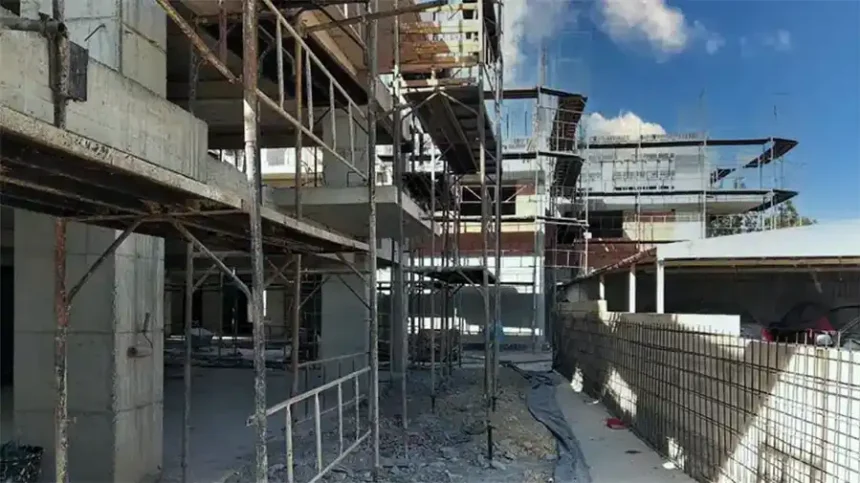
When embarking on a property purchase or construction project, the focus often turns to the cost per square metre. In the Republic of Cyprus, construction costs vary significantly across different building types, influenced by various factors. According to the latest data from the Statistical Service, construction costs for residential, commercial, and hospitality buildings exhibit marked differences.
As of 2023, here’s a brief overview of average construction costs per square metre:
- Hotels: €2,202
- Clinics & Medical Practices: €1,988
- Tourist Apartments: €1,775
- Restaurants: €1,651
- Educational Institutions: €1,306
- Houses: €1,214
- Flats: €1,075
- Industrial Buildings: €727
- Warehouses: €781
- Agricultural Buildings: €213
It is crucial to understand how these costs can fluctuate based on location, materials, and architectural designs. For practical building projects, expect to budget between €1,700 and €2,500 per square metre, excluding land costs.
Legal Checklist
Before making a purchase, familiarize yourself with the legal requirements specific to Cyprus. This checklist will help guide you:
- Verify the title deed: Ensure the seller holds a genuine title deed for the property.
- Conduct due diligence: Investigate all property liabilities, planning permissions, and any local regulations.
- Engage a legal representative: It’s advisable to hire a lawyer experienced in Cyprus property law to assist with the transaction.
- Review the sale and purchase agreement: Understand all terms and conditions before signing.
- Check for any urban planning permits: Ensure the property complies with local zoning laws.
Title deed registration in Cyprus is crucial. After completing the sale, your lawyer should lodge an application with the Land Registry to ensure your ownership is officially recorded.
Financing Options
Purchasing property in Cyprus often requires proper financial planning. Here are common avenues for financing:
- Mortgage: Banks in Cyprus offer mortgages to both residents and non-residents. Research various banks to find competitive rates.
- Personal Loan: If the mortgage terms are unfavorable, a personal loan might be considered as a supplementary option.
- Cash Purchase: If feasible, buying outright may save you money in the long run.
- Developer Financing: Many developers offer financing options, which can include deferred payment plans.
Prepare a detailed budget and include not just purchase costs but also additional expenses like legal fees, registration costs, and taxes.
Property Taxes and Additional Costs
Understanding the financial obligations after purchasing property in Cyprus is essential. Key taxes include:
- Stamp Duty: Payable on the property purchase, calculated as a percentage of the sale price.
- Property Transfer Fees: Based on the market value of the property at the time of transfer, this is usually a one-time fee.
- Annual Immovable Property Tax: This tax is levied based on the value of the property, calculated at the end of the year.
- VAT on New Properties: Be aware that VAT may apply depending on the property type and status.
Ensure to budget for these taxes alongside your initial purchase cost to avoid any future liabilities.
Common Mistakes to Avoid
Being aware of potential pitfalls can save you time and money. Here are common mistakes to avoid:
- Neglecting Due Diligence: Always verify property ownership and any claims against it.
- Rushing the Purchase: Take your time to understand the property and your financial implications before committing.
- Ignoring Additional Costs: Always account for taxes, fees, and potential maintenance expenses when budgeting.
- Overlooking the Importance of Location: Assess neighborhood amenities and potential future developments that could affect property value.
Quick Tips for Smooth Transactions
To enhance your buying experience, consider these actionable tips:
- Engage local experts early: Local real estate agents and legal advisors can provide valuable insights into the market.
- Inspect properties thoroughly: Visit multiple properties to gather comparisons and ensure they meet your criteria.
- Stay informed about local regulations: Changes in local laws can impact your rights and obligations as a homeowner.
- Document everything: Ensure all agreements, communications, and receipts are documented for future reference.
In summary, navigating the property market in the Republic of Cyprus requires careful planning, understanding of costs, and awareness of legal requirements. By following this guide, you can approach your property investment with confidence and foresight.