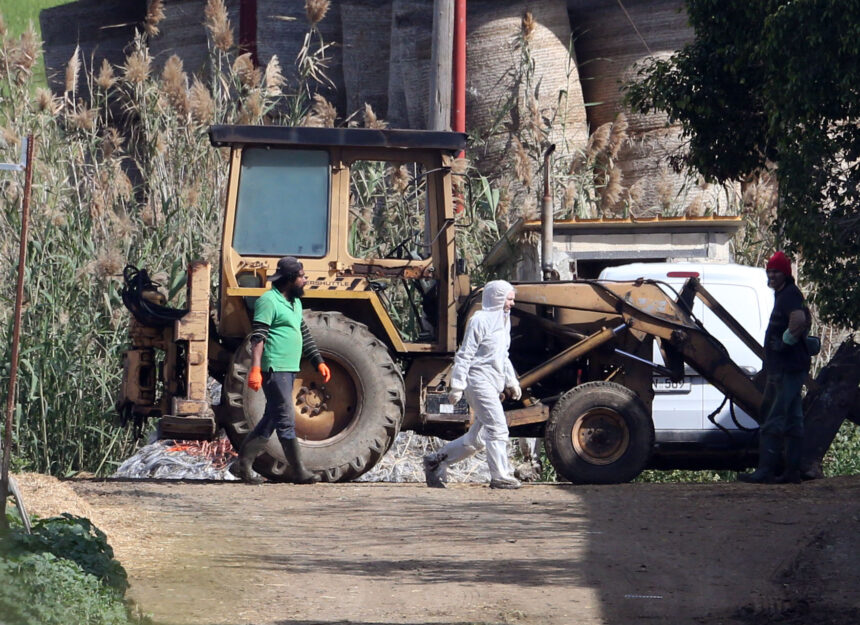
Almost all pending culling of animals due to foot and mouth disease has been completed, according to the agriculture ministry’s announcement on Saturday. This significant undertaking involved the culling of approximately 6,650 animals over the preceding two days, highlighting the urgency of the situation.
- With the vaccination campaign set to commence soon, there is cautious optimism that these measures will pave the way for recovery and a return to normalcy within the farming community.
Foot and: Efforts by Veterinary Services
The veterinary services department has been at the forefront of this operation, working continuously to ensure the swift execution of culling measures. In a statement, the ministry praised the dedication of these officers, describing their efforts as ‘superhuman’ under challenging conditions. Culling operations continued into the early hours of Saturday morning, with activity reported in the Larnaca district until 4am.
Collaboration with Security Forces
In addition to the veterinary teams, the agriculture ministry acknowledged the crucial role played by the police and the National Guard. Their involvement ensured that the culling process was carried out safely and in an orderly manner. The ministry stated, ‘The cooperation of all those involved is the most powerful tool for eradicating the disease, protecting the livestock sector, and ensuring the country’s food security.’
Vaccination Efforts Underway
Amid these culling efforts, the chairman of the veterinary association, Demetris Epaminondas, announced that over half a million doses of vaccine for foot and mouth disease are set to arrive on the island on Sunday. The vaccines are expected to clear customs by Monday or Tuesday, marking a crucial step towards controlling the outbreak.
Farmers’ Agreement on Culling
On Tuesday, farmers reached an agreement to accept the culling of livestock from farms where foot and mouth disease has been confirmed. Agriculture Minister Maria Panayiotou revealed that compensation for sheep and goat farmers whose animals are culled would be increased, reflecting a commitment to support those affected by the outbreak.
Compensation Details
The compensation framework has evolved significantly, with amounts surpassing the initial estimates set by the European Union. Farmers can expect compensation ranging between €43 and €178 for regular sheep and goats, and between €47 and €420 for those deemed of ‘high genetic value.’ Culling of cows will see farmers receive between €150 and €1,500, with exceptional cattle fetching up to €2,500.
The EU’s guidelines dictate maximum compensation values of €1,000 per cow and €140 per sheep, with the bloc covering 30% of payments up to those thresholds. This financial support is crucial for maintaining the livelihoods of farmers during this challenging period.
Enhanced Measures Against Illegal Livestock Movement
In a bid to further safeguard local livestock, Minister Panayiotou indicated that increased fines would be imposed on individuals found illegally transporting animals, particularly to and from the northern regions. If approved by the cabinet, on-the-spot fines could reach €100,000, while courts would have the authority to impose fines up to €250,000 for more serious violations.
Testing Protocols for Animals
To ensure thorough monitoring and control of the outbreak, all animals will undergo two types of tests: the PCR test, commonly known for its use in human Covid-19 testing, and the enzyme-linked immunosorbent assay (Elisa), which is a blood test. The results from these tests will be evaluated by an epidemiological group specifically formed to tackle the current outbreak. This group will determine further actions based on test outcomes.
Looking Ahead
As authorities continue to manage the outbreak of foot and mouth disease, the combination of culling, vaccination, and stringent enforcement against illegal livestock movement aims to mitigate the impact on the agricultural sector. The commitment from various stakeholders, including the government, farmers, and veterinary services, is vital in the ongoing efforts to secure the livestock industry and protect food supplies.
With the vaccination campaign set to commence soon, there is cautious optimism that these measures will pave the way for recovery and a return to normalcy within the farming community.