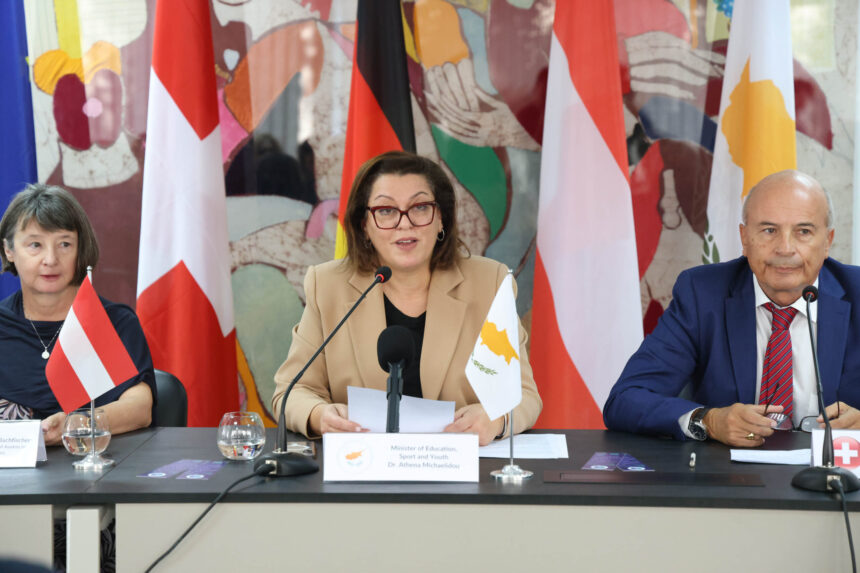
Multilingualism remains a crucial focus in education, as highlighted by Education Minister Athena Michaelidou during her announcement of the annual German Language Weeks. This initiative aims to foster a deeper appreciation for the German language and culture among students and the wider community.
German language: A Commitment to Language Competence
Michaelidou stated that language competence is vital within a modern, student-focused, and inclusive education system. She underscored its importance for personal development, employability, active citizenship, and social inclusion. The minister’s remarks reflect the government’s ongoing commitment to enhancing language skills as a means to prepare students for a globalised world.
The Role of German in Europe
German is one of the most widely spoken languages in the European Union, playing a significant role in science, culture, and economic exchange. Recognising this, the Education Ministry has actively promoted the German language through various educational programmes and partnerships.
Engaging Activities from November 10 to 29
The German Language Weeks will take place from November 10 to 29, offering a range of activities designed to engage students, teachers, families, and the public. These events aim to immerse participants in German culture through literature readings, film screenings, discussions, music, and culinary experiences.
This Year’s Theme: “Stimmen & Geschichten”
The theme for this year’s German Language Weeks is “Stimmen & Geschichten” (Voices & Stories). This theme encourages participants to explore everyday narratives and diverse perspectives that have shaped societies in both German-speaking countries and Cyprus. Organisers hope to celebrate diversity while fostering dialogue and inspiring reflection through these shared stories.
Special Events for Students
On November 12, students involved in the German language pilot programme will visit the Goethe-Institut in Nicosia for a special event tailored for them. This occasion will include interactive workshops designed to enhance their understanding of German culture and history.
Workshops on German History
Gymnasium students will engage in an interactive workshop focusing on German history, specifically the fall of the Berlin Wall. This historical context aims to provide students with a deeper understanding of Germany’s cultural and political landscape. Meanwhile, Lyceum students will have the opportunity to visit the German embassy before continuing their exploration at the Goethe-Institut.
Future Certifications for Language Proficiency
Michaelidou addressed the importance of officially certifying the German language competences acquired by students. She announced plans to strengthen cooperation with the Goethe-Institut to introduce recognised language proficiency certificates, which will enhance the value of their language education and better prepare them for future opportunities.
Strengthening Educational Ties
The collaboration with the Goethe-Institut signifies a commitment to uphold high educational standards and ensure that students receive quality language instruction. This partnership aims not only to improve language skills but also to cultivate an appreciation for cultural exchange and international dialogue.
Community Involvement and Support
The German Language Weeks have garnered support from various organisations, including the embassies of Austria, Germany, and Switzerland, alongside the Goethe-Institut. Their involvement highlights the importance of fostering cultural ties between Cyprus and German-speaking countries. By bringing together diverse communities, the event aims to create a rich tapestry of cultural exchange.
Encouraging a Multilingual Future
As education systems increasingly recognise the need for multilingual proficiency, initiatives like the German Language Weeks are essential. They not only promote language learning but also contribute to the broader goals of fostering inclusivity, cultural understanding, and global citizenship.
The Education Ministry’s support for these events indicates a forward-thinking approach to education, where language skills are seen as integral to personal and professional success. The emphasis on multilingualism reflects a commitment to preparing students for an interconnected world.