The digital euro will provide innovative payment options while ensuring that cash remains a viable choice, according to Central Bank of Cyprus (CBC) payments director Stelios Georgakis.
- The digital euro will provide innovative payment options while ensuring that cash remains a viable choice, according to Central Bank of Cyprus (CBC) payments director Stelios Georgakis.
- Georgakis outlined the timeline, stating, “Our objective is to have the so-called soft launch in 2029, namely a first version,” with the full version projected for release in 2030.
In an interview with the Cyprus News Agency (CNA), Georgakis detailed the features of the upcoming digital euro, which is set to offer offline transactions and physical cards for individuals who may not use smart devices. A soft launch is anticipated in 2029, with a full rollout by 2030.
Cash Will Remain in Circulation
Georgakis emphasised that the digital euro is meant to be an additional payment method, not a replacement for traditional banknotes and coins. He stated, “Both banknotes and coins will continue to circulate alongside the digital euro,” reinforcing that the new currency will be optional for users.
Free Services and Fixed Exchange Rates
One of the key aspects of the digital euro is that its use will be entirely voluntary, and all associated services will be offered free of charge. Georgakis confirmed that the exchange rate will be fixed, ensuring that one euro will always equal one digital euro.
Limits on Digital Euro Holdings
To prevent the digital euro from being used as a savings vehicle, limits will be imposed on how much citizens can hold in their digital euro accounts. Georgakis noted that the aim is to create a practical payment instrument rather than an investment option.
Functionality and Accessibility
The digital euro will be designed to facilitate various transactions, including person-to-person transfers and in-store purchases via mobile devices. Users can expect an experience akin to existing card payments, with a uniform payment method throughout the eurozone.
Significantly, the digital euro will allow for offline transactions, which means users can make payments even without an internet connection, provided they have previously transferred funds into their digital euro accounts. This feature is particularly aimed at ensuring accessibility during emergencies or technical disruptions.
Aiming for Financial Inclusion
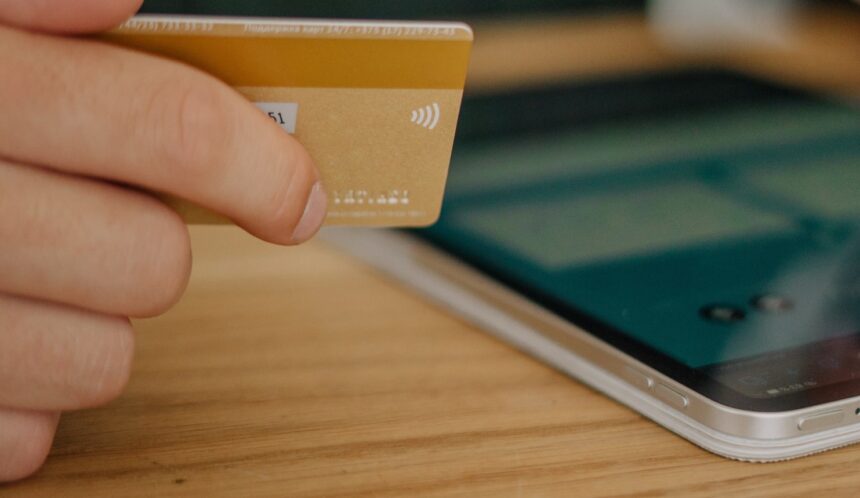
To support financial inclusion, the digital euro framework will include a physical card specifically designed for older citizens and those who may not be comfortable using smart devices or computers. Georgakis stated, “There will also be a card arrangement that will serve everyone who cannot operate smart devices or computers.”
European Infrastructure and Security
The infrastructure supporting the digital euro will be entirely European, providing a safeguard against external interferences in payment systems. Georgakis pointed out the importance of having independent payment mechanisms, especially in light of geopolitical events that can disrupt access to established financial services.
Timetable for Implementation
The legal framework for the digital euro is expected to be finalised by the end of 2026, followed by a pilot phase in mid-2027. This testing phase will involve central banks, banks, and selected payment service providers, allowing for functionality assessments and identification of potential weaknesses.
Georgakis outlined the timeline, stating, “Our objective is to have the so-called soft launch in 2029, namely a first version,” with the full version projected for release in 2030.
Awareness and Education Initiatives
As the introduction of the digital euro approaches, increasing awareness and education about the new system will be crucial. Georgakis highlighted the need for consumers, banks, payment service providers, and merchants to be well-informed about the digital euro’s features and benefits to ensure a smooth transition.