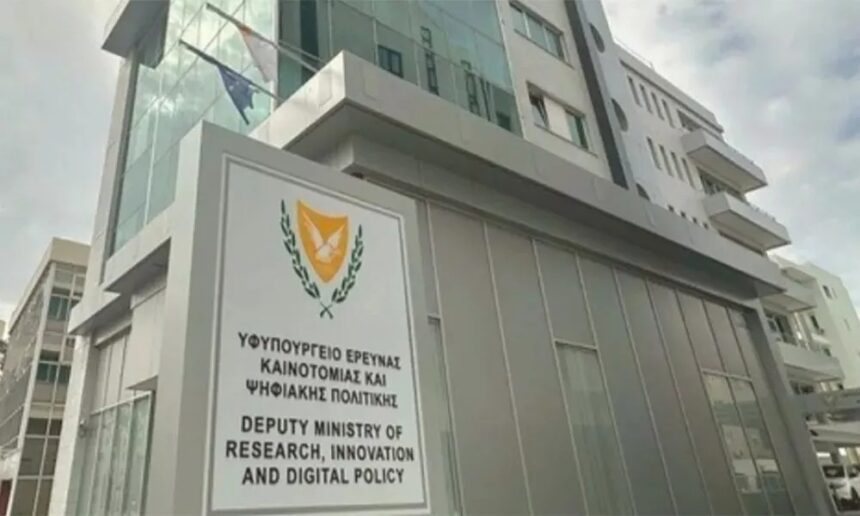
digital id — digital id — The Deputy Minister of Research, Innovation and Digital Policy has firmly disputed the Auditor General’s findings regarding the procurement process for the “Electronic Identity” project, emphasising a commitment to transparency and legality.
In a detailed rebuttal included as Appendix III of the audit report, the Deputy Minister asserted that the ministry operated within the legal framework governing national electronic identities. The Auditor General’s report suggested that the contract was awarded without an open tender, a claim the ministry vehemently denies.
According to the Deputy Minister, the regulatory environment restricts participation to entities with the necessary infrastructure and licensing in Cyprus. This stipulation was described as a critical factor, rendering references to other European Union entities misleading.
Digital id: Defending the Procurement Process
The ministry created the “National Electronic Identity Scheme” in 2021, which was designed to be open to all economic operators. Prior to its implementation, a public consultation was held in 2020 to gather input and ensure inclusivity.
Public announcements regarding the electronic identity distribution began in 2022, indicating a clear intention to move forward with the project. However, the Deputy Minister pointed out that no other economic operator stepped forward to establish the necessary infrastructure or secure the required authorisation, indicating a lack of competition.
A critical decision was made by the Deputy Ministry’s Tenders Board on 11 October 2024, which approved a negotiated procedure for the contract. This followed a Council of Ministers decision the previous day to subsidise the issuance of 100,000 electronic identities.
Addressing Claims of Impropriety
Responding to assertions of a “peculiar relationship” between the Deputy Minister and the contracting company, the ministry deemed such characterisations as unfortunate and misleading. The Deputy Minister highlighted that the project has a long history, having been developed since 2017 under the oversight of three successive governments.
The completion of this project is portrayed as a natural evolution of a longstanding institutional process, not connected to personal relationships or ulterior motives. The ministry has categorically rejected any suggestions that imply a lack of legality or transparency in the procurement process.
Official statements from the ministry continue to reinforce their position, stating that the audit’s characterisation of the relationship between the Deputy Minister and the contractor is unfounded. The ministry insists that the electronic identity project remains a focus of public interest, intended to enhance digital governance in Cyprus.