fire strategy — fire strategy — Cyprus must move beyond traditional fire suppression strategies to effectively address the growing threat of wildfires, according to a report from the European Council of Science Academies (EASAC). Presented on Thursday by the Cyprus Academy of Sciences, Letters and Arts at the Cyprus Institute in Nicosia, the report titled “Changing Wildfires in Europe” outlines the urgent need for a holistic approach to wildfire prevention and adaptation.
Fire strategy: Urgent Call for Preventive Measures
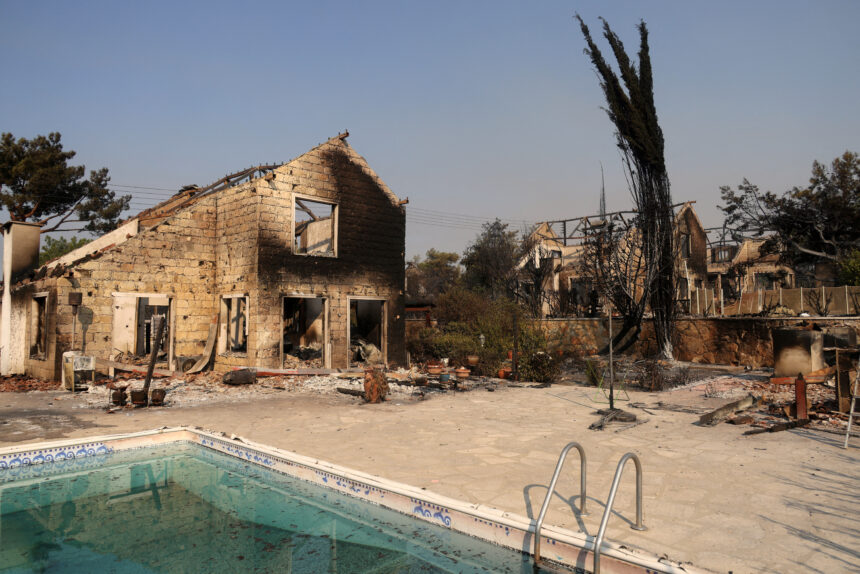
The EASAC report emphasises that Cyprus is at the forefront of the climate crisis, facing an increasingly complex and multidimensional threat from forest fires. It highlights a rapid escalation in the frequency, intensity, and scale of wildfires throughout Europe, with the Mediterranean region, particularly Cyprus, identified as one of the areas most at risk.
Climate Factors Intensifying Fire Threats
As warmer summers, drier winters, and prolonged droughts become more prevalent, scientists warn that the conditions for destructive wildfires are worsening. These environmental changes pose significant risks to forests, agricultural land, Natura 2000 sites, and urban communities.
Beyond Suppression: A New Approach
The report critiques current EU policies, which primarily focus on fire suppression. EASAC asserts that simply trying to extinguish fires is no longer a viable strategy in an increasingly warming climate. Instead, it advocates for a proactive stance that includes:
- Preventive land management
- Investment in fuel reduction
- Creation of resilient landscapes
- Systematic public education about fire risks
Integrating Fire Risks into Policy
For Cyprus, implementing these recommendations means embedding fire risk considerations into various policy domains, such as agriculture, water management, civil protection, and development planning. This integrated approach is vital for enhancing the nation’s resilience to fire-related disasters.
Collaborative Regional Efforts
The report also stresses the need for regional cooperation, asserting that “fires know no borders.” This collaboration is already being prioritised within the Eastern Mediterranean and Middle East Climate Change Initiative framework. Cyprus’s capacity as a regional hub for scientific innovation is also highlighted, with advanced climate modelling and fire risk assessments underway at the Cyprus Institute.
Utilising Technology for Fire Management
Utilising high-resolution satellite data, historical information, and climate change scenarios, the Cyprus Institute is at the forefront of developing technologies that can enhance wildfire management. Early warning systems powered by artificial intelligence promise quicker fire detection and more targeted interventions, ultimately aiming to minimise the impact on lives and ecosystems.
A Strategic Opportunity for Cyprus
The establishment of a firefighting hub by the European Union in Cyprus is described as a “strategic opportunity.” This initiative not only aims to bolster suppression capabilities but also offers a platform for improving prevention and preparedness efforts, alongside fostering regional coordination to combat wildfires more effectively.