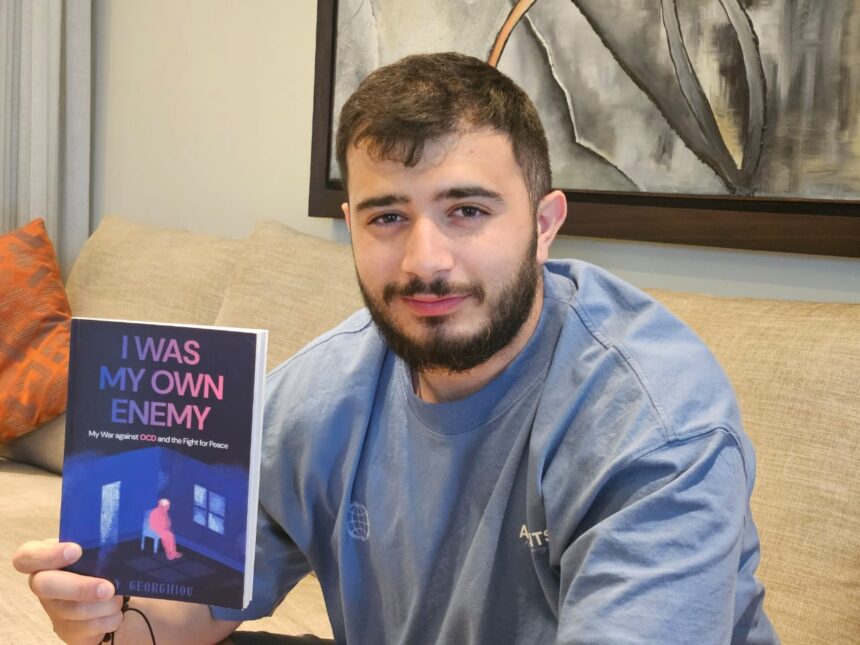
Yiorgos Georghiou bravely shares his battle with OCD in his memoir, I Was My Own Enemy, offering readers a raw insight into the complexities of obsessive-compulsive disorder.
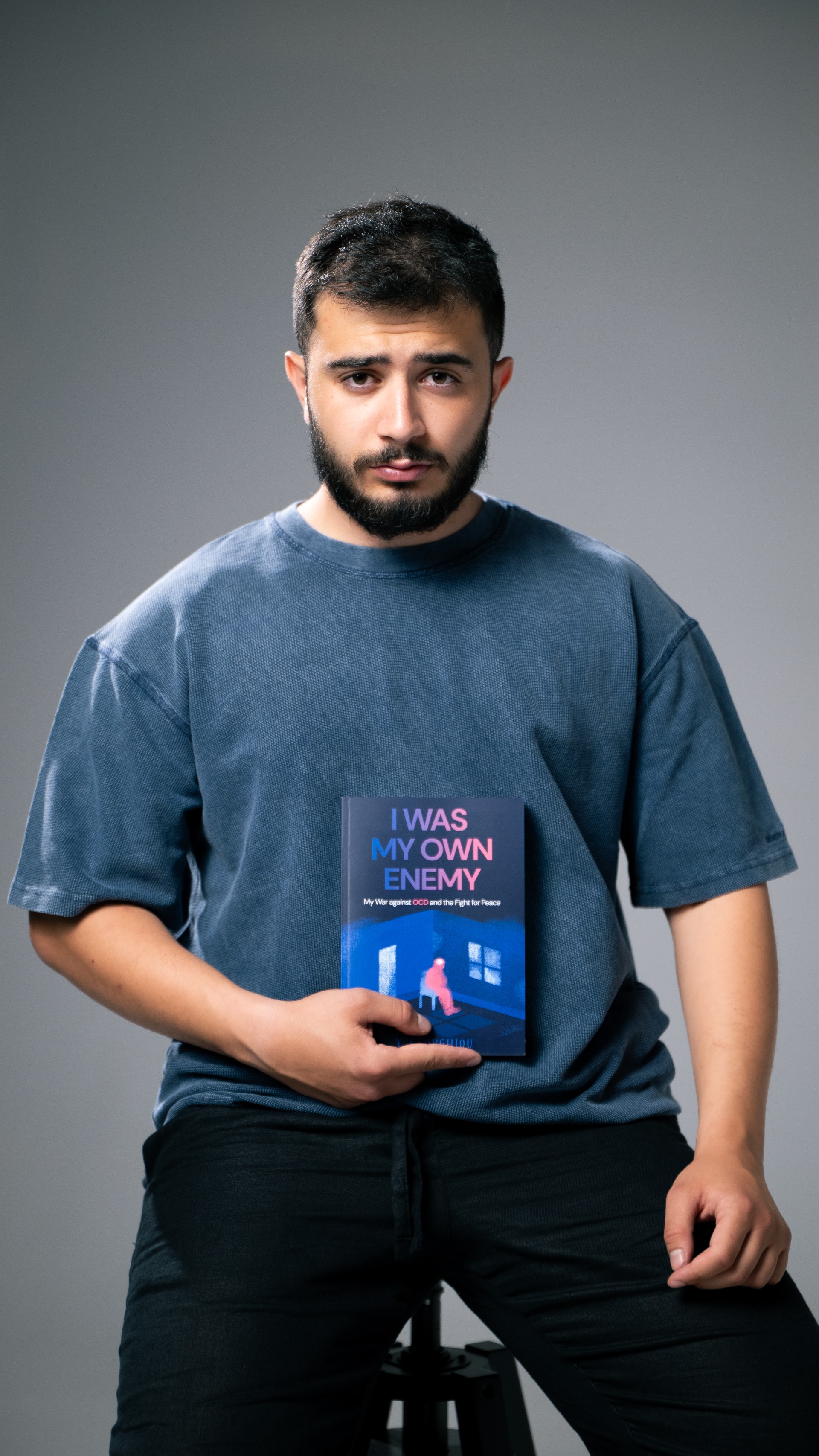
Photo: cyprus-mail.com
- Yiorgos Georghiou bravely shares his battle with OCD in his memoir, I Was My Own Enemy, offering readers a raw insight into the complexities of obsessive-compulsive disorder.
A Personal Journey Through Mental Health
In the prologue of his book, Yiorgos is candid about his experiences: “I am not a psychologist. I am not a clinician or a researcher. I am someone who has lived inside this cycle for most of my life.” At just 22 years old, he reflects on a struggle that many may not fully understand. His compelling narrative not only recounts his personal experience but also serves to illuminate the often-misunderstood nature of OCD.

Photo: cyprus-mail.com
Life at Home and the Burden of Intrusive Thoughts
Meeting Yiorgos at his family home in Nicosia, it’s evident that he is more than just a student; he is a survivor of his own mind. The two-storey house, filled with books and memories, becomes a backdrop for his revelations. One poignant moment occurs when he points to a round table in the dining room, revealing a three-year battle with the memory it holds. “I couldn’t sit at that table for three years,” he admits, illustrating how his thoughts influenced his reality.
Yiorgos recalls the breaking point during his time in the army, a period that exacerbated his mental health struggles. “My thoughts were making my reality,” he explains, showcasing how the association of certain objects with painful memories can trap individuals in their own minds.
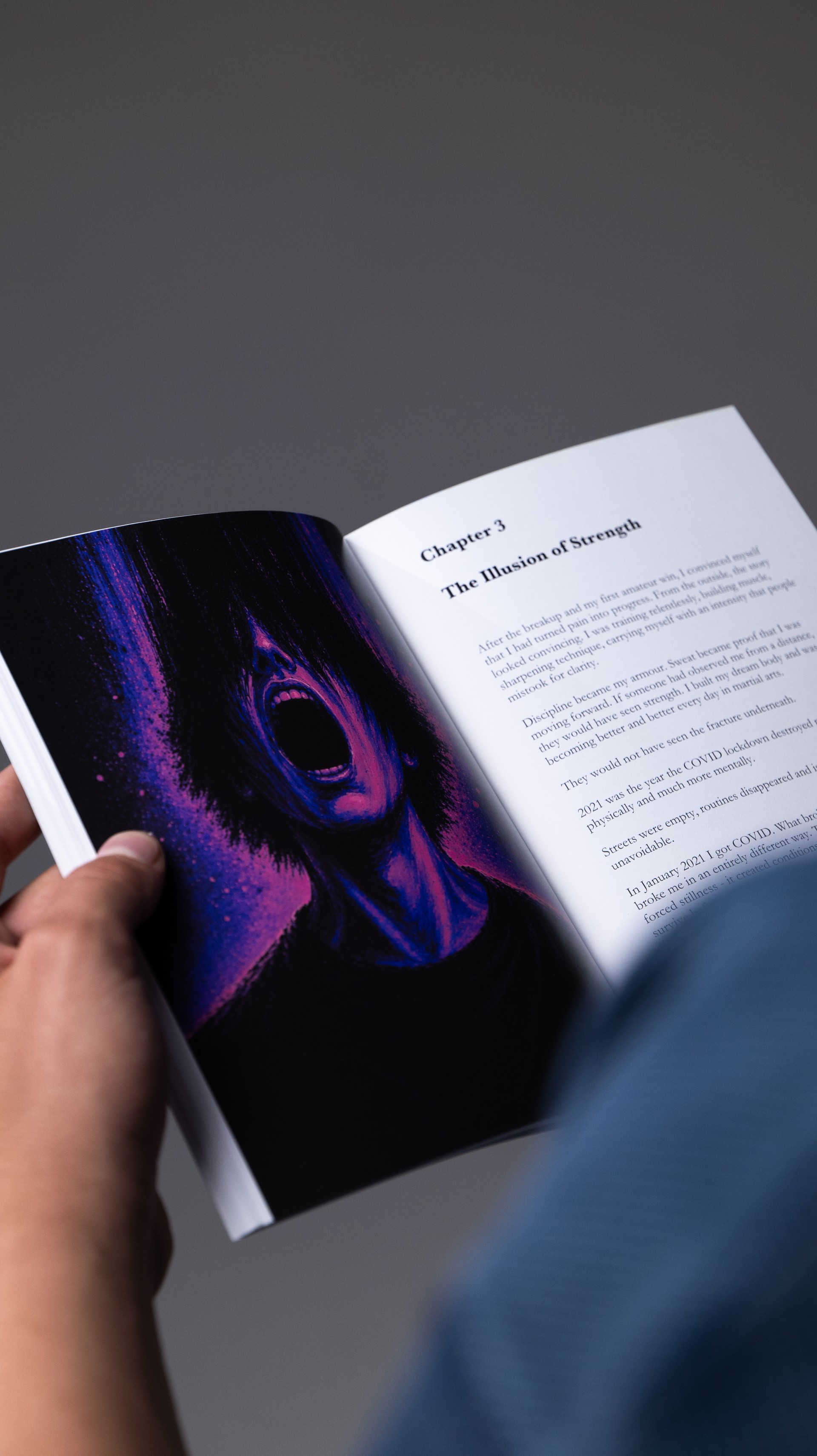
Photo: cyprus-mail.com
Understanding the True Nature of OCD
As he delves deeper into his condition, Yiorgos highlights a common misunderstanding about OCD. “We say ‘OCD’ very easily these days,” notes psychologist Maria Ioannidou, who also serves as his therapist. “People think they have OCD because they’re really tidy, but this is just, like, five per cent of what it actually is.” He further clarifies that the majority of his experience with OCD involved debilitating intrusive thoughts that distorted his perception of reality.
The Impact of OCD on Daily Life
Yiorgos’ struggles intensified during his academic years, leading to significant challenges that affected his performance. He recalls a particularly distressing episode during his A-Level exams, where intrusive thoughts prevented him from answering questions. “My brain told me, ‘Don’t answer this question or your dad will die tomorrow’,” he recalls, illustrating the severity of his condition.
These irrational thoughts were not isolated; they permeated various aspects of his life, making even simple tasks seem monumental. “I was unable to complete multiple-choice tests in my first year at university,” he shares, reflecting on how OCD can sabotage one’s academic and personal growth.
The Role of Family and Support
The emotional toll of OCD extends beyond the individual, affecting family dynamics and relationships. Yiorgos candidly shares how his condition created a barrier between him and his loved ones. “My family definitely wants to be next to me. They just don’t know what I’m going through,” he expresses, highlighting the isolation often felt by those struggling with mental health issues.
However, a turning point came when Yiorgos met a supportive partner while studying in Leicester. “She was by my side, and I was in a really dark place,” he recalls, emphasising the importance of having someone who understands and stands by you through the struggle. This relationship became a catalyst for change, leading him to explore therapy and eventually pen his memoir.
A Shift in Perspective
The realisation that he was battling OCD was transformative for Yiorgos. After years of denial and misunderstanding, he finally sought help and received a formal diagnosis. “Have you ever looked into OCD?” his girlfriend asked, prompting him to research his condition for the first time. This moment of clarity was pivotal, enabling him to connect with others who shared similar experiences.
Through therapy and medication, Yiorgos began to reclaim his life. His memoir, I Was My Own Enemy, has gained recognition, even finding a place among the top 100 books on OCD worldwide. The book serves not only as a personal narrative but as a beacon of hope for others facing similar challenges.
Ongoing Battles and Future Aspirations
Despite his progress, Yiorgos acknowledges that OCD is a lifelong battle. He now advocates for mental health awareness through social media, launching a channel called The Indomitable Club, which combines motivational content with his journey. “I like being alone, because it’s how I learned to be,” he states, emphasising the importance of personal growth through adversity.
Yiorgos concludes with a message of resilience. “I am still standing. I won,” he writes in the final lines of his book, encapsulating the essence of his journey. Through sharing his story, he hopes to foster understanding and empathy towards those grappling with OCD and mental health issues.