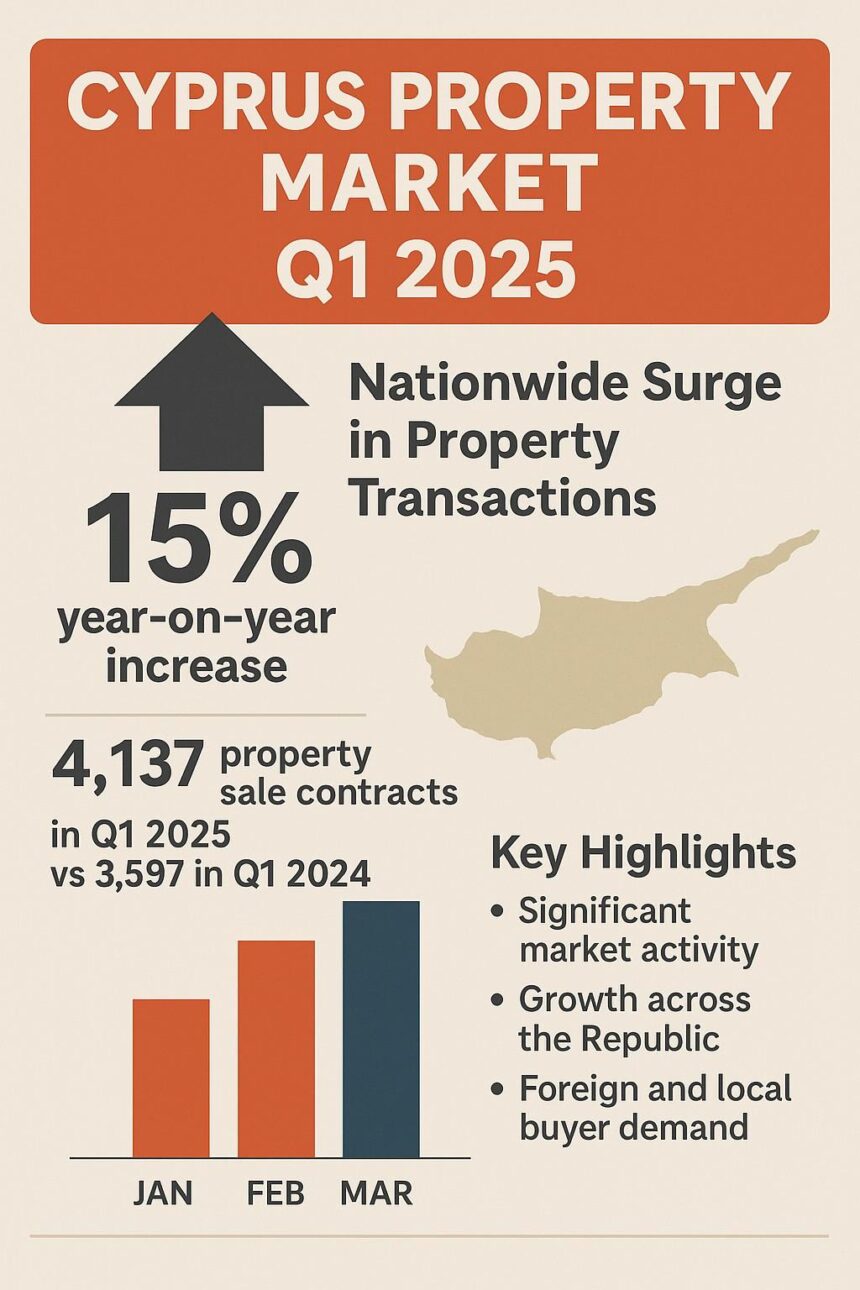
As the Mediterranean’s sun-soaked gem, Cyprus continues to captivate those seeking the perfect blend of lifestyle and investment. With 2025 ushering in dynamic shifts within the island’s real estate market, understanding these trends is crucial for anyone considering relocation or property investment here. Whether you’re looking for a dream home or a savvy asset, our expert insights will guide you through the opportunities shaping Cyprus today. Let’s explore what makes the Cyprus property market an exciting prospect this year.
Introduction: Why this real estate topic matters
The Cyprus real estate market in 2025 continues to present a dynamic landscape shaped by evolving economic factors and rising global interest. As the island strengthens its position as a Mediterranean investment hotspot, understanding the key market trends is essential for both seasoned investors and first-time buyers alike. With steady demand in residential, commercial, and holiday properties, Cyprus offers diverse opportunities buoyed by strategic location, competitive pricing, and a favorable regulatory environment.
In 2025, shifts in buyer preferences, including a growing appetite for sustainable and smart homes, alongside an increased focus on long-term rental yields, are steering market developments. Furthermore, government initiatives aimed at improving transparency and streamlining property transactions enhance investor confidence. For those looking to navigate this competitive market successfully, having up-to-date insights into pricing trends, regional hotspots, and emerging demand drivers will be crucial.
This article will delve into the prominent trends shaping Cyprus’s real estate sector in 2025, highlight promising investment opportunities, and provide practical advice to help you make informed decisions in today’s market. Let’s begin by examining the current market trajectory and its implications for buyers and investors.

Current Market Overview and Data
As of early 2025, the Cyprus real estate market continues to demonstrate resilience and steady growth despite broader global economic uncertainties. Residential property prices have increased by an average of 5.7% year-on-year, driven primarily by a sustained demand from foreign investors and expatriates attracted by Cyprus’s favorable climate, lifestyle, and competitive cost of living. The luxury segment, particularly villas and waterfront developments in Limassol and Paphos, remains a hotbed for high-net-worth buyers seeking both primary residences and lucrative rental yields.
Meanwhile, commercial real estate is witnessing a cautious but positive uptick, with growing interest in office spaces linked to the expanding technology and financial sectors in cities like Nicosia. Rental markets are also heating up, especially for short-term and holiday accommodations, appealing to the tourism-driven economy that has rebounded strongly since the post-pandemic recovery. For investors, this blend of steady capital appreciation and rental income potential underscores Cyprus’s status as a strategic gateway to both European and Middle Eastern markets.
Looking ahead, market participants are advised to focus on areas with emerging infrastructure projects and government-led urban regeneration plans. Staying attuned to evolving fiscal policies-such as adjustments in property tax rates and incentives for green building-will also be crucial to maximizing returns. These dynamics set the stage for our next discussion on key investment opportunities shaping Cyprus’s real estate landscape in 2025.
Regional Trends (Limassol, Nicosia, Paphos, Larnaca)
In 2025, the Cyprus real estate market continues to exhibit distinct regional dynamics, each shaped by unique economic drivers and buyer preferences. Limassol remains the island’s most vibrant investment hotspot, benefiting from its status as a financial hub and luxury lifestyle destination. Demand for high-end apartments and villas, particularly along the coastline, is strong, driven by both expatriates and international investors seeking long-term capital appreciation and rental yields. Developers are responding with a wave of premium residential and mixed-use projects, although land scarcity and rising construction costs are gradually shifting buyer interest toward innovative, smaller-scale developments in emerging Limassol neighborhoods.
Nicosia’s real estate market shows steady growth, anchored by its role as the island’s administrative and commercial center. Residential demand is increasingly supported by young professionals and government employees looking for reasonably priced housing options with good urban amenities. Commercial real estate also sees positive momentum, especially in the technology and service sectors expanding across the city’s business districts. For investors, Nicosia offers comparatively stable rental returns and diversification opportunities, with a focus on modern apartment complexes and office spaces benefiting from ongoing urban regeneration programs.
Paphos and Larnaca offer intriguing prospects for buyers seeking lifestyle-oriented properties and vacation homes. Paphos appeals to retirees and holidaymakers drawn to its scenic beauty and cultural heritage, with consistent interest in villas and gated communities. In contrast, Larnaca’s affordability and improving infrastructure, including airport upgrades and new road links, are enhancing its appeal to young families and first-time buyers. Both areas are seeing gradual price appreciation, although at a more moderate pace than Limassol or Nicosia, making them attractive for investors targeting niche rental markets such as long-term expatriates and tourism-related accommodation.
With these regional nuances in mind, investors and homebuyers can make more informed decisions aligned with their financial goals and lifestyle preferences. As we delve deeper, understanding the legal and fiscal characteristics of Cyprus property ownership will further clarify how to optimize investment returns in the evolving 2025 market.
Key Investment Opportunities
As of 2025, Cyprus continues to attract investors with its robust property market and strategic location bridging Europe, Asia, and Africa. Despite global economic uncertainties, key areas like Limassol, Paphos, and Nicosia are witnessing sustained demand, driven by both foreign buyers and locals upgrading residential and commercial properties. Notably, luxury developments in Limassol’s marina and the expanding tourist infrastructure in Paphos offer lucrative opportunities for high-net-worth investors looking for long-term capital appreciation and rental yields.
Additionally, government initiatives aimed at promoting sustainable construction and energy-efficient properties have created new niches within the market. Investors with an eye toward future-proofing their portfolios should consider properties that comply with the latest EU environmental standards, as these are increasingly favored by both tenants and regulatory frameworks. Moreover, the rising interest in mixed-use developments combining residential, office, and retail spaces reflects a growing trend toward integrated living and working environments-a smart direction for investors seeking diversification within Cyprus’s evolving real estate landscape.
With these promising opportunities in mind, it is crucial to stay informed about emerging zones and upcoming infrastructural projects. Understanding local market dynamics and leveraging professional advice can maximize returns while mitigating risks. Moving forward, let’s explore how recent market trends are shaping buyer behavior and pricing strategies in Cyprus’s real estate sectors.
Insights from Agents and Developers
Industry experts in Cyprus’s real estate sector emphasize that 2025 continues to be a year of significant opportunity, fueled by steady economic growth and evolving buyer preferences. Agents report a noticeable rise in demand for properties that combine luxury with sustainability, reflecting global trends toward eco-friendly living. Developers are responding by integrating green technologies and energy-efficient features into new projects, catering specifically to both local and international buyers seeking long-term value and lower operational costs. This shift not only aligns with Cyprus’s broader commitment to environmental standards but also enhances the market’s attractiveness to conscious investors.
Additionally, agents highlight that the diversification of buyer profiles-including retirees from Europe, young professionals from the tech sector, and Middle Eastern investors-has created a dynamic market. Developers are tailoring offerings to these groups by focusing on mixed-use developments that provide both residential comfort and commercial amenities. Practical advice from experienced agents suggests that buyers should prioritize areas with strong infrastructure development and upcoming transport links, as these locations promise higher capital appreciation. Meanwhile, sellers and developers need to maintain transparency and flexibility in negotiations to meet the expectations of an increasingly sophisticated clientele.
Looking ahead, these insights from frontline professionals set the stage for exploring emerging hotspots and investment strategies, as we delve deeper into regional market dynamics and opportunities in the next section.
Forecast and What to Watch Next
As the Cyprus real estate market progresses through 2025, several key factors are set to influence its trajectory in the coming months. While no major policy updates or visa reforms have emerged within the last 48 hours, ongoing global economic conditions and regional geopolitical dynamics remain critical variables. Investors should keep a close eye on interest rate adjustments by the European Central Bank, which can impact mortgage affordability and, consequently, demand in Cyprus’s prime residential and commercial segments.
From a market perspective, sustainable development and eco-friendly projects are gaining momentum, increasingly favored by both local buyers and foreign investors. Properties incorporating green technologies and energy-efficient designs are expected to command premium valuations. Buyers and developers alike should consider how integrating sustainability can enhance long-term asset value and appeal in an evolving regulatory environment that favors environmental responsibility.
Looking ahead, monitoring government incentives aimed at boosting infrastructure, tourism, and smart city initiatives will be essential for identifying emerging hotspots. These projects typically signal growth potential, presenting timely entry points for savvy buyers and investors. Understanding these broader economic and policy signals will be critical to making informed decisions in Cyprus’s competitive real estate market as 2025 unfolds.
Next, we explore the latest development hotspots across Cyprus and where the smartest investment opportunities are emerging amid these shifting dynamics.
Cyprus Real Estate Outlook
In summary, Cyprus offers a unique blend of Mediterranean lifestyle, favorable tax regimes, and a resilient real estate market, making it an ideal destination for relocation and investment in 2025. For those considering making the move, now is an excellent time to embrace the island’s opportunities-combining quality living with promising financial prospects in a vibrant, welcoming community.